
Can Spinal Stenosis Be Cured? Physical Therapy & Treatments to Improve Mobility
Spinal Stenosis Relief: Treatments, Exercises, and Back Support for Better Mobility

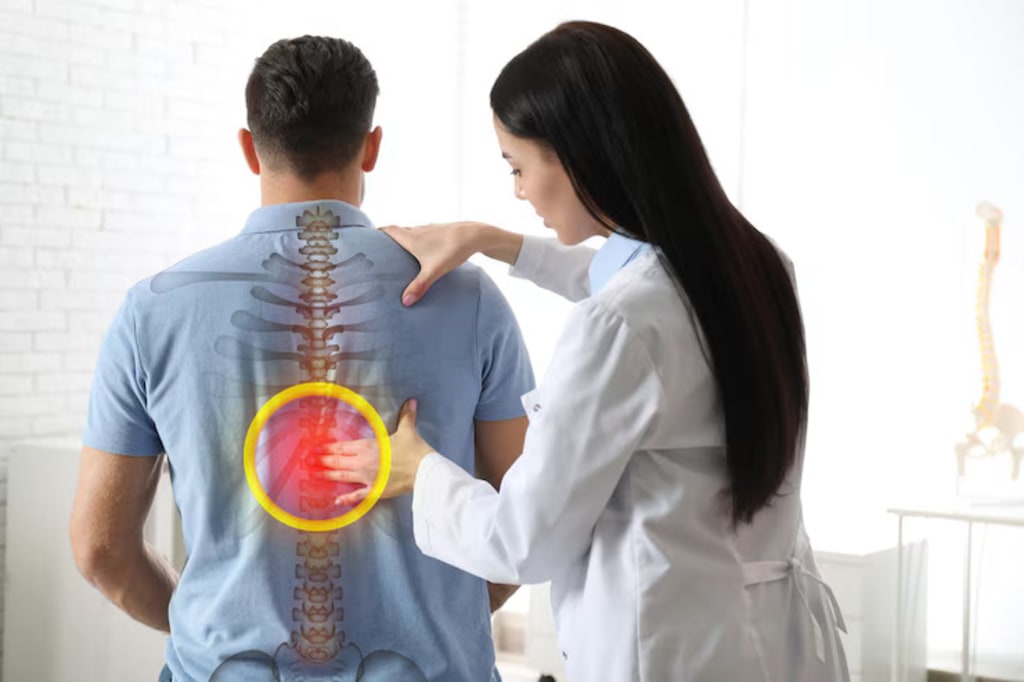
Spinal health plays a crucial role in our overall well-being. However, as we age, certain conditions can impact mobility and cause discomfort. One such condition is spinal stenosis, a common yet often misunderstood issue affecting the spine. If you've been experiencing back pain, numbness, or difficulty walking, understanding spinal stenosis can help you take the right steps toward relief and improved mobility.
What is Spinal Stenosis?
Spinal stenosis primarily affects the lower back (lumbar stenosis) and the neck (cervical stenosis). It commonly results from aging, arthritis, or injuries. Symptoms include back pain, tingling sensations, weakness in the legs, and difficulty walking. Managing these symptoms effectively is key to maintaining an active lifestyle.
There are two main types of spinal stenosis:
- Congenital Spinal Stenosis: Some individuals are born with a narrower spinal canal, which can predispose them to developing symptoms earlier in life.
- Acquired Spinal Stenosis: This type develops due to age-related changes, arthritis, herniated discs, or spinal injuries.
Symptoms of Spinal Stenosis
The symptoms of spinal stenosis vary depending on the severity and location of the narrowing. Common symptoms include:
- Lower back pain
- Numbness or tingling in the legs or arms
- Weakness in the limbs
- Difficulty walking or maintaining balance
- Pain that worsens with prolonged standing or walking
What Does Spinal Stenosis Pain Feel Like?
Spinal stenosis pain often feels like a dull ache, sharp pain, or burning sensation in the affected area. In the lumbar spine, it may cause pain that radiates down the legs (sciatica), making movement challenging.
What Causes Spinal Stenosis?
Several factors contribute to spinal stenosis, including:
- Aging: Natural degeneration of the spine leads to narrowing over time.
- Arthritis: Osteoarthritis and rheumatoid arthritis can cause inflammation and bone spurs that compress the spinal canal.
- Herniated Discs: Bulging or ruptured discs can press on spinal nerves.
- Injuries: Trauma from accidents or falls can lead to spinal narrowing.
- Genetics: Some individuals are born with a smaller spinal canal, making them more susceptible to stenosis.
Diagnosis and Tests
Doctors diagnose spinal stenosis using:
- Physical Examination: To assess pain levels, mobility, and nerve function.
- Imaging Tests: X-rays, MRI scans, and CT scans help identify narrowing and nerve compression.
- Electromyography (EMG): Measures nerve function and detects damage.
Management and Treatment
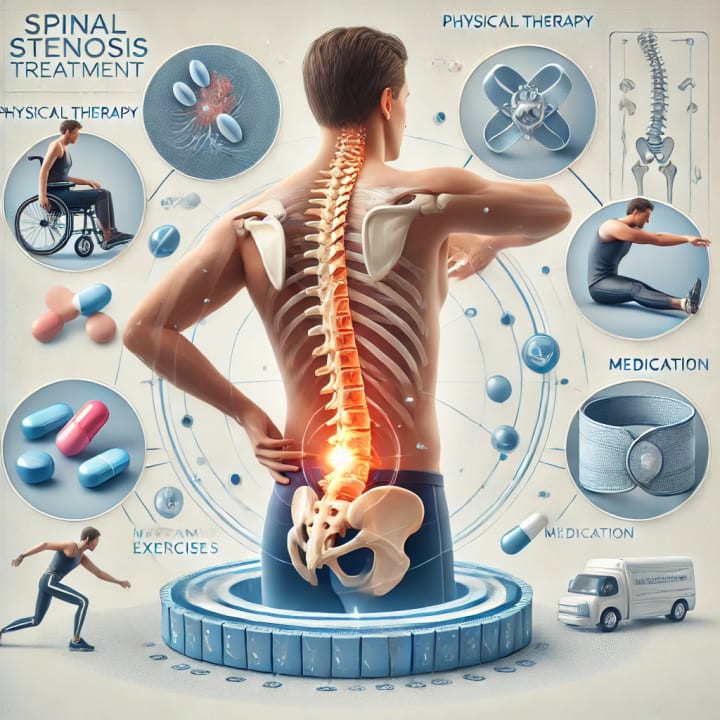
Managing spinal stenosis involves a combination of treatments that help reduce symptoms and improve mobility. Early intervention and lifestyle modifications can significantly enhance daily life and prevent symptoms from worsening.
Non-Surgical Treatments:
- Physical Therapy: Strengthening core muscles, improving flexibility, and maintaining proper posture can help alleviate pain.
- Medications: Anti-inflammatory drugs, muscle relaxants, and pain relievers help manage symptoms.
- Epidural Steroid Injections: Reduce inflammation around the compressed nerves.
- Back Braces: Lower back braces provide support, reduce pressure, and promote proper alignment.
Surgical Treatments:
For severe cases, surgical options like laminectomy (removal of part of the vertebra) or spinal fusion may be necessary to create space and relieve nerve pressure.
Can I Prevent Spinal Stenosis?
While spinal stenosis cannot always be prevented, adopting a proactive approach to spinal health can minimize the risk of developing severe symptoms. Regular exercise, a balanced diet, and maintaining spinal flexibility can go a long way in preventing the progression of this condition.
Ways to reduce your risk include:
- Maintaining good posture
- Staying active and engaging in strength-building exercises
- Avoiding excessive weight gain
- Using proper lifting techniques
Exercises for Spinal Stenosis Relief
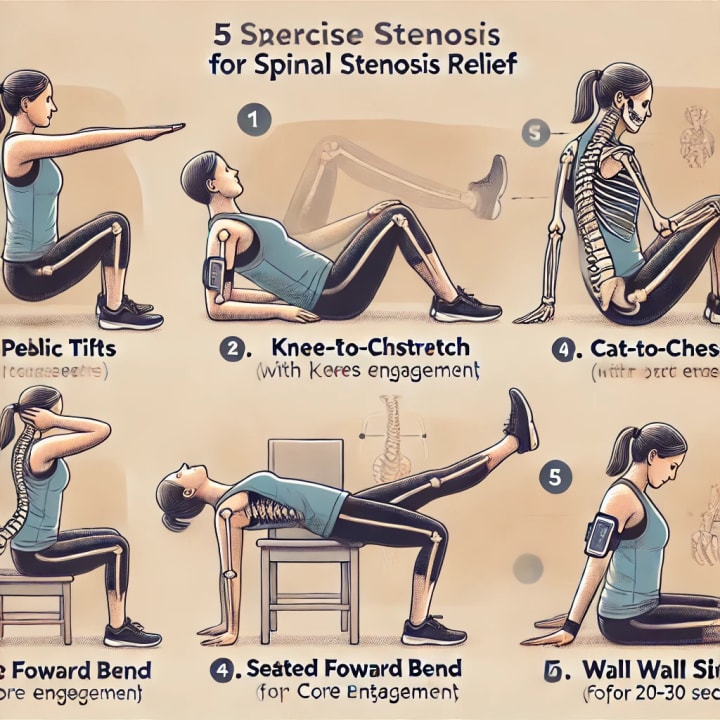
Regular exercise can help strengthen muscles, improve flexibility, and alleviate pain associated with spinal stenosis. Here are some recommended exercises:
- Pelvic Tilts – Lie on your back with knees bent and gently tilt your pelvis upward, engaging your core. Hold for a few seconds and release.
- Knee-to-Chest Stretch – While lying on your back, pull one knee toward your chest and hold for 20-30 seconds. Repeat with the other leg.
- Cat-Cow Stretch – Get on all fours and alternate between arching your back upward and dipping it downward, improving spinal flexibility.
- Seated Forward Bend – Sit on a chair and slowly bend forward, reaching for your toes to stretch your lower back and hamstrings.
- Wall Sits – Stand with your back against a wall and slide down into a seated position, holding for 20-30 seconds to strengthen your lower body.
Performing these exercises consistently can help reduce stiffness, enhance mobility, and provide relief from spinal stenosis symptoms.
Improve Mobility with the Right Back Support
A well-designed lower back brace for spinal stenosis, such as Snug360, provides exceptional support and relief for those managing this condition. By evenly distributing weight, reducing spinal stress, and promoting proper posture, a back brace can help alleviate discomfort and enhance mobility.
For individuals who experience pain or instability during prolonged standing or walking, using a lower back brace for spinal stenosis can provide much-needed stability and support. Snug360 back braces are designed for both comfort and durability, effectively minimizing lower back strain and relieving pressure on the spine.
About the Creator
SNUG360
Snug360 provides you with comfortable and pain-relief medical products. Our product is designed and made in the USA to keep the standard high and exceed the needs of people. To view and buy our products visit our website: www.snug360.com
EHR Interoperability and Data Integration: The Future of Connected Care
Electronic Health Record (EHR) integration has become a foundational requirement for modern healthcare organizations striving to deliver coordinated, data-driven care. As hospitals, clinics, and specialty practices increasingly rely on digital tools, the ability to seamlessly connect systems is no longer optional—it is essential. EHR integration enables disparate healthcare platforms to communicate with each other, ensuring that patient data flows securely and accurately across departments, facilities, and third-party applications. By eliminating data silos and enabling real-time access to critical medical information, integrated systems significantly improve clinical decision-making, operational efficiency, and patient outcomes.
By Steve Waugh3 days ago in Lifehack
Blessed 33
So I woke up on the morning of February 5, 2026 and guess what and you know what I realized? It’s my 33rd birthday. Do you know what that means? Yes, technically I’m getting old, but what I couldn’t have guessed was this would be one of the best days of my life.
By Joe Patterson6 days ago in Confessions




Comments
There are no comments for this story
Be the first to respond and start the conversation.