
Trump Mobile The Unmaking of a $499 "Patriot Phone"
How Ambition Met the Brutal Reality of Making Smartphones

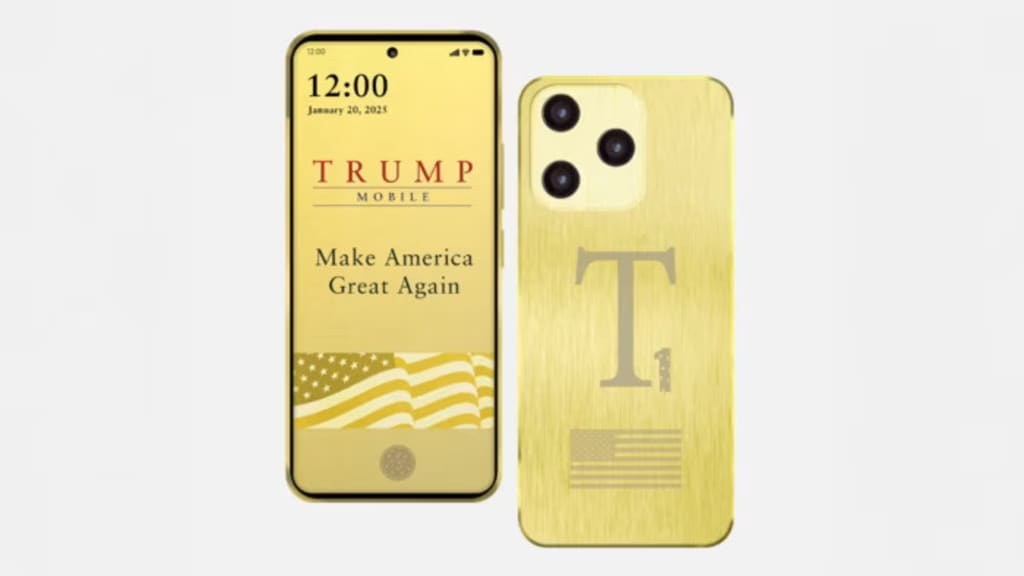
Trump Mobile:
Inside the Chaotic, Ill-Fated Attempt to Launch a Political Statement as Consumer Electronics
It was intended to be the ultimate accessory for the MAGA faithful: a smartphone encased in 24-karat gold plating, pre-loaded with conservative applications, and carrying the unmistakable mark of the 45th President of the United States. Trump Mobile—marketed as a “free speech fortress” and the “official phone of the Patriot movement”—was unveiled with the type of bombast that marks the Trump brand. Pre-orders were sold with promises of special material and a chance to win supper with Donald J. Trump personally.
Then, reality struck. Hard.
The phone was never delivered. Launch dates came and went. Official communications changed from confident pronouncements to unclear delays, ultimately fading into an unpleasant, unresolved quiet. Customers who paid $499 ahead found themselves in limbo. What happened? The narrative of Trump Mobile is not a simple tale of a failed gadget. It is a lesson in how political charm smashes violently into the cold, complicated, and merciless world of consumer electronics manufacturing—and fails.
The Promise:
More Than a Phone, a "Movement in Your Pocket"
The concept, advocated strongly by Donald Trump Jr. and Trump senior adviser Sergio Gor, was obvious. This wouldn't be simply another Android phone. It would be a statement.
The "Freedom Stack": Out of the box, it would skip the "woke Big Tech" app stores. Instead of Instagram and Twitter, users would discover Truth Social, GETTR, Rumble, and Parler. The default search was to be "Patriot Search," offering unfiltered results.
Privacy as Theater: The most talked-about feature was its physical "privacy switches"—tiny toggles on the phone's frame that would, in theory, physically disable the microphones, cameras, and GPS antennae. It was a practical response to privacy issues, even if its real-world usefulness was contested by technologists.
Aesthetic of Power: The design drew largely on grandiose symbolism. Gold plating, a black leather back, and the Trump family insignia produced a design that was half luxury item and part campaign swag. This wasn't supposed to be subtle; it was designed to be noticed.
The "Insider" Experience: Purchasing the phone offered entrance into a closed community, with exclusive video messages and information from Trump himself.
The intended market wasn't tech reviewers or bargain seekers. It was the politically dedicated for whom the phone was a sign of loyalty. At $499, it was billed as a premium badge of identification.
The Collapse:
Where the Blueprint Met the Factory Floor
Beneath the flashy commercial movies, the basic principles of physics, supply chains, and software engineering started to impose their influence. According to insiders acquainted with the project's troubles and industry observers, the failure was overdetermined.
1. The "Made in America" Mirage.
A main selling pitch was that the phone will be "assembled in America." In the realm of global electronics, this is a massive, costly problem. Every chip, resistor, display, and battery within a smartphone is part of a hyper-globalized supply chain based in Asia. Creating a parallel, U.S.-based production line for a specialized product is financially devastating. Evidence reveals the project moved to utilizing a white-label OEM phone from a Chinese manufacturer—a standard practice for startups—which blatantly contradicted its "America First" promotion and created quality control concerns from afar.
2. The Software Swamp.
Building a dependable, secure version of Android is a daunting effort for even the greatest enterprises. The Trump Mobile team promised a proprietary, "de-googled" Android derivative with its own app store and secure communication features. This needs a huge, talented, and costly staff of software engineers—a talent pool that mostly lives in apolitical tech centers and fetches exorbitant compensation. Reports show the software was defective, unstable, and passed basic security checks, rendering the "fortress" phone hilariously exposed.
3. The Legal Quicksand.
The Trump Organization's multiple litigation fights produced a poisonous climate for corporate collaborations. Reputable component suppliers and fulfillment firms undertake risk evaluations. A partner facing probable asset seizures or existential litigation is a bad indicator. This led to demands for 100% payment ahead from vendors, choking financial flow and causing logistical standstill. You can't transport phones if you can't insure the inventory or get a logistics business to handle it.
4. The "Novelty" vs. "Necessity" Trap.
In the end, a smartphone must be a tool first. It requires a strong camera, all-day battery life, and seamless performance for applications people really use—from banking and navigation to gaming and texting. The Trump Mobile's concentration on political applications and gold plating came at the price of basic foundations. Early test devices apparently featured poor battery life, unimpressive cameras, and sluggish performance. For all save the most ardent, it failed the simple test: Was it a decent phone?
The Aftermath: Refunds, Lawsuits, and a Cautionary Tale
The consequence has been messy:
Silent Delay: The official website went from promising shipment dates to a generic "stay tuned for updates."
Customer Anger: Pre-order customers, many ardent supporters, started demanding refunds on social media, feeling misled.
Legal Exposure: The initiative garnered attention from state attorneys general supervising consumer protection laws, worried about receiving money for undelivered goods.
Brand Damage: The episode converted the Trump brand in tech from "disruptive potential" to "unreliable vaporware."
The Unavoidable Lesson:
Politics is Not a Product Feature
The Trump Mobile fiasco shows a stark fact in the consumer tech world: you cannot establish a profitable hardware firm on a demographic alone. A political movement is not a viable addressable market for a gadget that needs worldwide supply chains, profound technical understanding, and relentless quality control.
Loyalty could earn you pre-orders, but only quality gets you repeat customers and favorable word-of-mouth. The smartphone industry is a cemetery of firms with better ideas and more expertise than a political organization attempting to become a digital company.
In the end, Trump Mobile wasn't beaten by its opponents or "cancel culture." It was defeated by bill-of-materials expenses, software glitches, logistical headaches, and the apolitical tyranny of a quality control checklist. It sought to be a sign of defiance but became a symbol of something else entirely: the great, humiliating difficulties of building anything that really works.
The phone that was intended to be a weapon in the cultural war ended up becoming a museum piece for a different type of history—a case study in how not to launch a technology. The market, it turns out, doesn't care about your politics. It simply cares whether your product turns on.
DISCLAIMER
Publisher's Note:
This article is a factual business analysis of the public challenges surrounding a consumer electronics product launch. It is based on publicly available information, industry reports, and standard tech manufacturing principles. The purpose is to inform readers about the complexities of bringing any branded hardware to market, not to engage in political discourse. All statements regarding logistical, software, and supply chain challenges are presented as neutral business observations common to many tech startups.

About the Creator
abualyaanart
I write thoughtful, experience-driven stories about technology, digital life, and how modern tools quietly shape the way we think, work, and live.
I believe good technology should support life
Abualyaanart
Keep reading
More stories from abualyaanart and writers in Lifehack and other communities.
The Ultimate Digital Detox Experiment
1. The Breaking Point: A Screen Time Report Was My Intervention It was a Tuesday evening when my iPhone delivered its weekly verdict. “Screen Time: Up 37%,” it chirped, with a bright bar graph indicating I’d spent 27 hours that week idly scrolling. That’s a part-time job. But the real gut-punch was the breakdown: 9 hours on a social media platform I professed to dislike, 45 minutes a day merely picking up my phone without thinking, and an average of 214 daily alerts.
By abualyaanart10 days ago in Lifehack
Auto Bagging Machine vs Semi-Automatic Bagging Machine. Which One Is Right for Your Business?
Choosing the right bagging system is not just a technical decision. It directly affects production speed, labor costs, packaging accuracy, workplace safety, and long-term scalability. Many businesses struggle between selecting an auto bagging machine or a semi-automatic bagging machine because both options appear similar at first glance.
By shahid khan7 days ago in Lifehack
AI Agents Are Taking Over: How Autonomous AI Will Replace Your To-Do List in 2026
For more than a decade, artificial intelligence (AI — “ay-eye”) has been a helpful tool. It could answer questions, recommend movies, or suggest better wording in emails. But 2026 marks a dramatic shift. We are entering the age of autonomous (aw-TAW-nuh-mus) AI agents systems that can plan, decide, and act on our behalf, instead of simply responding to commands.
By Sathish Kumar 6 days ago in Lifehack


Comments
There are no comments for this story
Be the first to respond and start the conversation.