
Transform Your Bad Days into Good: A Guide to Using a Mood Journal!
We all have bad days. Days when nothing seems to go right, when we feel overwhelmed, or when we just can't seem to shake off a bad mood. These bad days can be frustrating, but they don't have to define our overall mood and outlook on life. By using a mood journal, we can transform our bad days into good ones, and take control of our emotions.
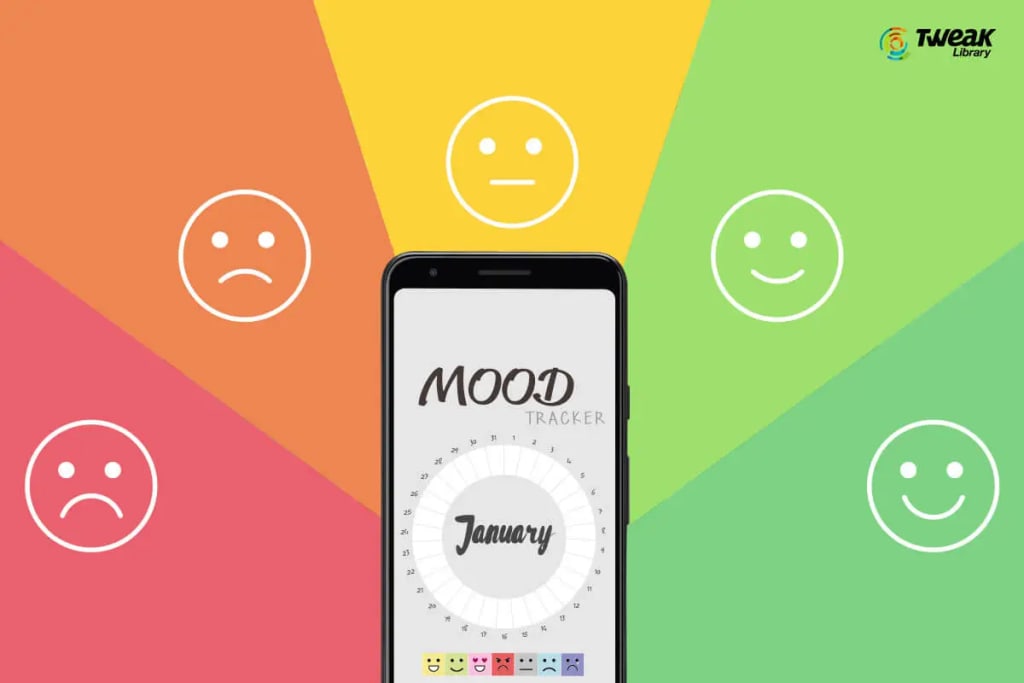
What is a Mood Journal?
A mood tracker journal is a tool that allows you to track your moods, emotions, and overall mental state over time. It can be as simple as a notebook where you jot down your feelings each day, or as complex as a dedicated app that allows you to track a variety of factors such as sleep, exercise, and diet, in addition to your mood.
Why Use a Mood Journal?
Using a mood journal can provide a number of benefits. First, it can help you become more aware of your emotions and the factors that influence them. This increased awareness can help you identify patterns and triggers that may be impacting your mood, and allow you to take steps to address them.
Second, a mood tracker journal can help you track your progress over time. By looking back at your entries, you can see how far you've come and identify areas where you still need to work on.
Finally, a mood journal can provide a sense of control and empowerment. When we're feeling down or overwhelmed, it can be easy to feel like our emotions are controlling us. By taking the time to track and reflect on our moods, we can take control of our emotions and feel more empowered in our daily lives.
Using a Mood Journal App
While a paper journal can be effective, using a mood journal app can provide even more benefits. Many mood journal apps allow you to track a variety of factors in addition to your moods, such as sleep, exercise, and diet. This can help you identify correlations between your mood and these other factors, and make adjustments accordingly.
In addition, many mood journal apps offer features such as reminders and prompts to encourage regular use. They may also provide insights and recommendations based on your entries, allowing you to gain even more insights into your mood and mental state.

Here are some tips for using a mood journal app effectively:
Choose the right app: There are many mood journal apps available, so take the time to find one that meets your needs. Look for an app that allows you to track the factors that are most important to you, and that has a user interface that you find easy to use.
Set reminders: To get the most benefit from your mood journal app, it's important to use it regularly. Set reminders or notifications to prompt you to enter your mood each day or at specific times throughout the day.
Be honest: To get the most accurate picture of your mood and mental state, it's important, to be honest in your entries. Don't sugarcoat or minimize your feelings – instead, be as truthful and specific as possible.
Look for patterns: As you use your mood journal app over time, look for patterns and correlations between your mood and other factors such as sleep, exercise, and diet. Use this information to make adjustments and improve your overall well-being.

Transforming Bad Days into Good
So how can a mood journal app help you transform your bad days into good ones? Here are a few tips:
Identify triggers: By using your mood journal app to track your moods over time, you may start to notice patterns and triggers that contribute to your bad days. For example, you may find that you're more likely to have a bad day when you don't get enough sleep or when you eat certain foods. Use this information to make changes that can help improve your mood.
Practice self-care: When you're having a bad day, it's important to take care of yourself. Use your mood journal app to track your self-care activities, such as exercise, meditation, or spending time with loved ones. By prioritizing self-care, you can improve your mood and mental state.
Practice gratitude: Gratitude has been shown to have a positive impact on our mental health and well-being. Use your mood journal app to jot down a few things you're grateful for each day, even on bad days. This can help shift your focus from negative to positive.
Set goals: Setting goals can give us a sense of purpose and motivation. Use your mood journal app to track your progress toward your goals and celebrate your successes along the way. This can help boost your mood and give you a sense of accomplishment, even on bad days.
Reach out for support: Finally, don't be afraid to reach out for support when you're having a bad day. Use your mood journal app to track your social interactions and make a point to connect with loved ones or seek professional help when needed. Having a support system can make a world of difference when we're struggling.
In conclusion, using a mood journal app can be a powerful tool for transforming bad days into good ones. By tracking your moods, identifying triggers, practicing self-care and gratitude, setting goals, and reaching out for support, you can take control of your emotions and improve your overall well-being. So why not give it a try and see how a mood journal app can help you lead a happier, healthier life?
About the Creator
Keep reading
More stories from writers in Lifehack and other communities.
Between Innings
Ever heard of baseball? A game with rules, chalked lines, innings, and a crowd that believes effort guarantees reward. A game where timing is praised more than truth, and endurance is mistaken for choice. A game where people insist it’s fair because everyone is playing by the same rules. I feel like the ball.
By Gladys Kay Sidorenko6 days ago in Lifehack
Using a novel strategy, scientists try to stop human ageing.
Your cells' functions change as you age, and this gradual change can lead to organ failure, weakening, and scarring. There is now hope for treating age-related disorders since scientists have discovered a mechanism to nudge some cells back towards healthy roles.
By Francis Dami3 days ago in Lifehack
One Hard Thing
Stop me if you’ve heard this one before: You have the number, you know your schedule- you’ve even picked out the perfect day and time to make this appointment. Shoot, you’ve even picked out alternative days and times just in case their schedules can’t accommodate you!
By Taylor Rigsby2 days ago in Motivation




Comments
There are no comments for this story
Be the first to respond and start the conversation.