
Top Five Benefits of Home Care Services for Aged
Improving Daily Life through Aged Care at Home.


Home can be the perfect place for relaxation and comfort. Especially when receiving care or recuperating. There are, however, benefits attached to home care services for the elderly.
There are various factors to consider when choosing the mode or place of care for the elderly. Although receiving adequate care should be your priority, you can explore available options. And evaluate the benefits to the aged who will receive care, and you as a family member.
Home care services offer various benefits, when compared to a facility. You can have one-on-one access to personalized care around the clock. And take control of your treatment process while maintaining friendly bonds with peers in the community.
In this article, we have outlined the top benefits of choosing home care. And all you need to know about engaging the service of an in-home caregiver.
Benefits of Choosing Home Care Services
Home care provides benefits. And there are several advantages for elderly ones who opt for in-home care.
Personalized Care
One of the benefits of in-home services is personal care and individualized attention by your carer - different from the generalized care at a facility. It considers individual preferences and routines. And every aspect of care is tailored to the existing care and new needs. This also includes the lifestyle and preferred approach to care.
With your in-home caregiver, you can get support in using the restroom. Or taking a walk around the environment, which could be your preferred hobby. It also allows for preferred meal choices and preparations from your store’s lineups. At specific times that suit your arrangement.
In a care facility, this approach may not be fully adopted as it depends on your assigned caregiver. But at home, your care is narrowed down to one-on-one attention. With advantages of 24-hour or overnight support, allowing for a deep understanding of your health condition.
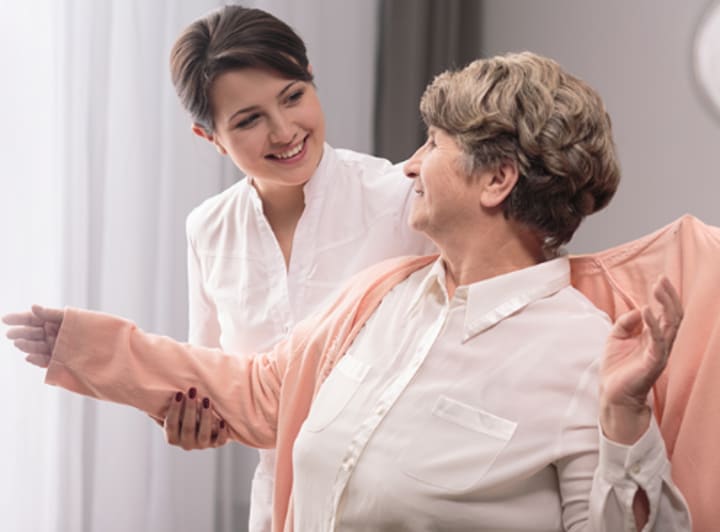
A personal relationship with your carer also contributes to recovery. And prevent mental health issues that can affect older people due to anxiety or depression. Personalized approach to care ensures that the needed care is provided. Whether it is medication management or housekeeping.
Cost-Effective
Treatment for the aged and young requires funding. Especially when enrolled in a care facility or has a permanent impairment. Without insurance support, the burden of the treatment cost can be overwhelming.
Home care is one of the viable and cost-saving alternatives for aged care. From transport bills for visiting your enrolled patients to facility fees, catering for adults at home is less expensive - when compared. Thus, ruling out the cost factor that can prevent your aged ones from getting the best care.
While you may not have control over fixed costs in facilities, you can coordinate your fees for home care services. By engaging caregivers for specific hours or tasks. This can come as an addition to the care provided by family members. And the care recipient has control over their care and their cost. Receiving care solely for what is paid for.
With hourly criteria, you can get aged care services at an affordable rate. And at a fraction compared to an aged care facility. It is also more accessible and a suitable option to explore for long-term care.
Flexibility
When it comes to caring for the elderly, flexibility contributes to overall health. And aids in a positive response to adopted health care methods. Home care provides a high level of flexibility. For family members and adults receiving care.
Independence for adults creates a sense of dignity and self-worth. Allowing them to stay in control of their lives without being subject to dictates of facility guidelines.
With home care services, aged individuals can maintain their familiarity with the environment. And engage in their favorite activities while setting their own schedule.
Also, there are structured schedules at facilities. On when to receive individuals who come visiting. Home care allows for making personal decisions. On when to sleep, eat, or engage in other activities. As long as it is in line with the standard care process.
Every moment can be adjusted to evolving situations. Whether to a few hours or intensive care.
Companionship and Interaction with Community Members
Health challenges create a shift from the normal way of life. Whether it suits existing lifestyles and activities or otherwise. The sidelines can include a limitation on the number of accessible individuals. Or a change in the place of residence.

For the aged, the community they are used to remains the safest place. Especially when it is the place where they spend a greater part of their lives. Interacting with familiar faces contributes to recovery from an illness. And it is one of the advantages why home care should be considered.
With a known community, receiving care goes in line with emotional and psychological support. Helping the patient to relive memories. And utilizing companionship in the area.
It further provides a means of belonging for care recipients. With home care services, caregivers can help with participation in social activities. Which erases the feeling of isolation that could arise when limited access is provided for individuals in a facility.
Home Comfort and Involvement of Family Members
The relaxing nature at home supersedes unfamiliar areas and facility care - away from the crowded nature. There is comfort and a reassuring feeling when elderly ones receive care in their familiar areas. That is, sleeping in their homes. And waking up to see individuals they love.
Old age can make adaptation to new changes difficult. As such, home care helps contribute to better health outcomes. You do not have to part from your known people and community, which promotes quicker and more effective healing timelines. Whether after a surgery or recovering from illness.
Home care also allows family members to comfortably get involved in the care and support for the aged. From helping them make decisions to being physically present in their care journey. And strengthens the family bond. It allows for close monitoring of the care process. And extra contributions to make the care recipient more relaxed.
When Can I Engage Home Care Services?
The advantages of engaging the service of a support worker in home care cannot be ruled out. Even if you are primarily in charge of the care of your aged one. Also, some conditions might require that you engage extra hands. To ensure that your loved ones receive the best of care.
Some of these include;
Impaired Movements
One of the common conditions where you can engage a caregiver is for impaired movement. That is, being unable to walk or move like other individuals. Or struggling to perform tasks that involve mobility.
As adults grow, bone growth declines, causing changes. Such as being unable to walk short and long distances without an aid or support system. Also, impaired movement can result from accidents or natural disability.
Home care services workers can provide the needed assistance in this instance. And in other daily activities. These include errands, shopping for essential items, and attending community events.
Health Challenges
Health challenges can be tedious to deal with in adults. Thus, requiring extra hands for adequate support. With monitoring and guidance by a professional who understands the approach to care.
Some of these health challenges are visual impairment or conditions that can lead to intellectual or learning impairment. Neurodegenerative disorders in the elderly also require disability care workers. To ensure their well-being.
You can engage the service of a caregiver. To help with recovery care after being discharged from the facility. Or for in-home services that broadly cover the needed care. Including assistance with the usage of recommended medications.
Dementia
Dementia is the loss of memory and language. That can be severe and interfere with daily living. It affects thinking ability. And can affect individuals as they age. Thus, it requires having someone on the side to cater to their care.

If you have an elderly person with this condition, you can engage in-home support. A caregiver who is ready to help in every step of the way. That is also experienced in managing cognitive decline symptoms. While ensuring that the patient lives with dignity.
Some areas where a carer can fill in include assistance with daily household tasks. And helping their client honor appointments with doctors for continuous treatment. Home caregivers also come in handy as the condition progresses over time.
Long-Term Illness
Home care is a go-to option when it comes to managing chronic illness. Or a permanent condition requiring consistent care.
Attending to your daily routine and loved ones can be complex and affect schedules. With the overall time spent. Especially when it is a significant ailment that recurs and has been for years.
With a caregiver, your aged ones can be attended to while you continue with your daily tasks. And ensure that they receive the best care. Making living more simplified.
The range of assistance can, however, vary and be specific. From preparing healthy meals to bathing.
Recovery Process
Caregivers do not only help with in-home care. But provide further assistance for the recovery stages. Aside from being a companion, they fit in to assist with the downsides of treatment. And the hurdles of post-recovery stages.
Their assistance can be in the form of providing emotional and physiological support to fast-track recovery. They can also help in reintegrating the aged ones back into their daily routine and indoor activities.
How To Choose the Best Support Worker for Aged Care
Taking care of an elderly individual does not amount to staying with them all day at home. Home care services can fill in the space for you. While ensuring they get the best care.
From personalized care to other services, you can opt for a carer who can cater to your aged one. Just like you were there.
However, it is important to carefully select the best worker who can optimally perform.
Look for Specialized Carers for Aged Care
One of the best ways to choose the right support worker is to identify the specific care. That you want for your aged one. And a carer who will fit in. In terms of scope of care and the health condition.
There are various in-home carers that you can find. From disability support workers to juvenile carers. Including those who provide support for every aspect of daily living and a 24-hour routine.
Your choice of support worker for aged care must be one who specializes in elderly care. And can handle complex mental health issues. Different from that of younger ones. And with a committed reception to care that differs from the generalized care.

You can also consider employing an individual who is sensitive to the needs of the aged. And with keen attention to age-related activities in daily living.
Opt for an Experienced Worker
The choice of an experienced worker contributes to receiving the best care. For the aged ones and challenging health conditions. It does not require that they learn on the job. Or be unable to tackle emerging situations as a side effect of aging.
Having an experienced worker on the side makes the care more effective. And you can be relaxed that they will handle your loved one’s care adequately when you are not around. Including other duties that may come up during the care process.
It is essential to consider support workers who are experienced in their roles. When you want to select a carer. With relevant skills and experience for the role you want to engage them for. Such as organizational and problem-solving skills.
Interview Process
Finding a caregiver who is readily available for aged care is not enough. There is more; due to the peculiarity of in-home and adult care. Different from the facility.
One of the ways to ensure you have the right person for the care role is through interviews. Before a full engagement. It helps to assess, spot out qualities, and select the best-fitted individual for the role.
Through an interview, you can assess a worker’s qualifications and communication skills. Which contributes to the way they can relate to your elderly. And vet their compatibility on how they can form friendly relationships.
Interviews also help you select a carer that suits your work timeline. Especially if you need them as an add-on to flexibly adjust to your schedule.
You can perform the mobile interview online or see them in person. Whereby you can discuss their approach to handling adult care as a caregiver.
Consider their Qualifications
Qualifications are important considerations when it comes to selecting support workers. That will care for your aged ones. It showcases verifiable experience and professionalism. In a way that they have truly undergone the training. And understand the care process.
With up-to-date qualifications, you can be sure of employing the right person for your elderly care. The paperwork can also contain work histories. And their major areas of expertise. These contribute to offering high-quality professional care. And the handling of a care recipient under standard guidelines.
You can also ask for references from previous employees. To assess their level of performance and how best they can perform in the new role you want to assign.
Conclusion
With family and community support, routines for home care become easier. And seamless for the elderly receiving care. Whether short or long-term, home care services are beneficial. And a viable option to attend to the needs of your aged one.
You can be assured that your loved one is in safe hands with professional in-home caregivers. Allowing you to share more time during care. And providing the opportunity for the care recipient to maintain a connection with their environment.
About the Creator
Rajat
I'm a passionate writer with over 5 years of experience in the health niche. I specialize in creating well-researched, reader-friendly, and SEO-optimized content that informs, inspires, and empowers readers to live healthier lives.
You're alone, because you're lost
Being alone is a fear that one in three adults face WORLDWIDE. Why? Are we scared to be alone because we are faced with all of our thoughts we once tried to suppress? Or are we scared because we feel uncomfortable? Uncomfortable with the idea of being in a room with just you. You and your nasty thoughts. Thoughts like “Damn I should've apologized”, or “Why hasn't he texted me back?” or “I am a failure”. Yea. those thoughts. The forbidden thoughts that come sneak by the midnight hour, ...if you're lucky. You see loneliness doesn't have to be this way. It all starts with you.
By C⃣ h⃣ a⃣ n⃣ e⃣ l⃣7 days ago in Lifehack




Comments
There are no comments for this story
Be the first to respond and start the conversation.