
Top 7 Signs Your Refrigerator Needs Immediate Repair
Your refrigerator works tirelessly to keep your food fresh, but even the most reliable appliances need attention from time to time.
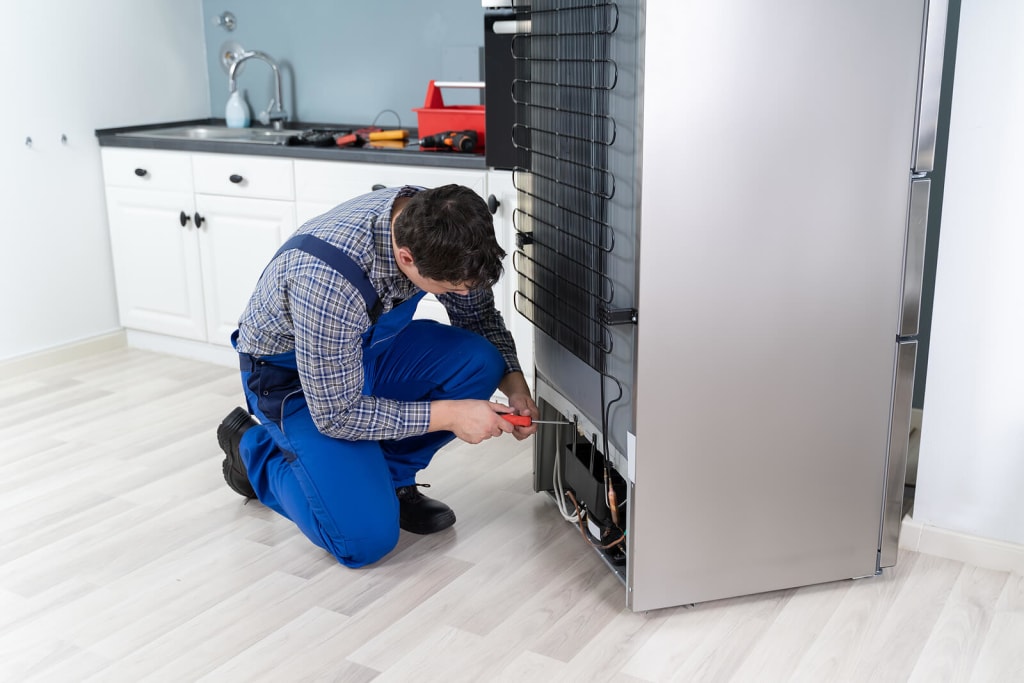
With their constant operation, refrigerators ensure that perishable foods remain fresh and safe for consumption. But eventually, they will break down just like any other machine. Identifying these problems early can prevent food waste, higher energy bills, and more costly repairs down the line. Homeowners often overlook subtle signs until it’s too late. From odd noises to temperature inconsistencies, your refrigerator might be signaling that it needs professional attention. For residents seeking dependable refrigerator repair Orlando services, recognizing these signs early is key to avoiding emergencies and extending the lifespan of your appliance.
1. Excessive Condensation
Condensation inside a refrigerator might seem harmless at first, but it can indicate deeper issues that require prompt attention.
- Faulty Door Seals: If moisture builds up inside the fridge, the first place to check is the door seal. Damaged or loose seals allow warm air to seep in, causing internal condensation. This not only compromises cooling efficiency but can also promote mold growth.
- Thermostat Malfunction: A failing thermostat might not regulate the internal temperature correctly, leading to excess humidity and condensation. If the thermostat doesn’t sense the right temperature, it can cause the cooling system to overcompensate or underperform.
2. Food Spoiling Quickly
Fresh produce, dairy, and leftovers going bad sooner than expected are more than an inconvenience; it’s a strong sign your refrigerator is underperforming.
- Compressor Failure: The compressor is responsible for circulating refrigerant and maintaining the correct cooling temperature. If it's not functioning properly, your fridge will struggle to stay cold enough to preserve food.
- Inaccurate Temperature Regulation: Internal temperature sensors or thermostats that aren’t calibrated correctly may fail to maintain optimal cooling levels. This can lead to fluctuations that spoil food prematurely, especially in the warmest zones of the fridge.
3. Unusual Noises
Refrigerators aren’t silent, but sudden or strange noises can point to a malfunction.
- Clicking Sounds: Repeated clicking might mean the compressor is trying and failing to start, often indicating electrical issues or compressor failure.
- Buzzing or Humming: While a low hum is normal, a louder buzzing could signal that the compressor is working harder than it should due to internal wear or blocked airflow.
- Rattling or Banging: These noises may suggest loose components or debris inside the fan or condenser coils.
4. Frost Buildup in Freezer
While a little frost is normal, thick layers of ice coating the inside of the freezer are not.
- Malfunctioning Defrost Timer: The defrost timer signals the system to periodically melt away frost buildup. When this timer fails, frost continues to accumulate, eventually impacting airflow and efficiency.
- Defective Thermostat: If the freezer’s thermostat is faulty, it may cause the unit to stay excessively cold, encouraging unnecessary frost formation.
- Broken Door Gasket: A damaged or worn-out gasket on the freezer door can allow warm, moist air to enter the compartment. This moisture then freezes, leading to excess frost accumulation and inconsistent temperatures.
5. Water Leakage
Water puddling around or inside the refrigerator is a common red flag that something isn’t functioning as it should.
- Clogged Defrost Drain: During normal operation, frost melts and drains out through a small pipe. If this pipe gets clogged, the water has nowhere to go and begins pooling at the bottom of the fridge or underneath the appliance.
- Broken Water Lines: Units with built-in water dispensers or ice makers may leak if internal water lines are cracked or disconnected.
- Leaky Drain Pan: Over time, the drain pan beneath the refrigerator can crack or become misaligned. If this happens, melting frost or condensation won’t collect properly and may spill onto the floor.
6. Motor Running Constantly
A refrigerator’s motor is designed to cycle on and off throughout the day, not run endlessly.
- Dirty Condenser Coils: Dust-covered coils force the unit to work harder to dissipate heat, causing the motor to run more frequently to maintain desired temperatures.
- Inadequate Cooling: If internal temperatures are too warm due to component failure, the system will run nonstop in an attempt to correct the problem.
- Worn Door Seals: If the refrigerator door seals are worn or not closing completely, cold air escapes and warm air enters, causing the motor to work overtime to compensate for the temperature loss.
7. Unresponsive Control Panel
Modern refrigerators feature digital displays and touch panels that make operation more convenient. But when these panels become unresponsive, bigger problems may be at play.
- Electrical Faults: Faulty wiring, a blown fuse, or power surges can render the control panel inoperable, making it impossible to adjust settings or receive alerts.
- Software Glitches: Some advanced models rely on firmware, and system bugs or memory errors can disrupt their normal functions.
- Loose Internal Connections: Over time, vibration or wear can loosen the internal wiring connected to the control panel, resulting in intermittent or complete loss of responsiveness.
Conclusion
Your refrigerator works tirelessly to keep your food fresh, but even the most reliable appliances need attention from time to time. Recognizing early warning signs, such as frost buildup, excessive condensation, or strange noises, can save homeowners from major inconveniences and repair costs. Ignoring these issues may not only impact your food’s safety but could also lead to complete appliance failure. For those experiencing any of the signs mentioned above, it’s crucial to act fast. Seeking expert Orlando refrigerator repair services ensures problems are diagnosed accurately and resolved efficiently, giving your fridge a second life and keeping your household running smoothly.
About the Creator
Keep reading
More stories from Marie Hines and writers in Lifehack and other communities.
Residential vs. Commercial Plumbing Services in Texas
When most people search for a plumber Texas, they’re likely dealing with a problem they want fixed—fast. But what they may not realize is that the type of plumber you need can vary significantly depending on whether the issue is in a home or a business. Plumbing isn’t one-size-fits-all, especially in a state like Texas where the range of properties is as vast as the landscape. From small family homes to sprawling office complexes, the plumbing needs are different—and so are the services required to meet them.
By Marie Hines9 months ago in Lifehack
10 Simple Habits for Strong Teeth and Healthy Gums
Maintaining good oral health is essential not only for a bright smile but also for overall well-being. Your mouth is the gateway to your body, and poor oral hygiene can lead to various health problems such as gum disease, tooth decay, and even infections that may affect other parts of the body. Fortunately, taking care of your teeth and gums does not require complicated routines. With a few simple daily habits, you can keep your mouth healthy for years.
By Nenci Gajera a day ago in Lifehack
The Basics of Successful Property Renovation Projects.
Property renovation is a cornerstone of real estate development, especially in markets with distressed or foreclosed homes. In cities across the country—from rapidly growing metros to legacy industrial hubs—renovation plays a vital role in revitalizing housing stock and meeting buyer demand. Successful renovation projects require careful planning, disciplined execution, and proactive management to maximize value and ensure the property meets modern buyer expectations. When approached strategically, renovation transforms underutilized properties into desirable homes while strengthening communities and generating strong financial returns.
By JB Hoover, Newport Beach3 days ago in Lifehack
"Scream 7" (2026): Running out of Fresh Screams
This is the seventh time we’ve had a Ghostface crisis. Scream 7 is the latest edition of the Scream franchise. Sydney Prescott and her family are under attack by another anonymous killer dressed in a Ghostface costume. While having issues with her daughter, Tatum, they run from the bloody murders, trying to determine who is behind it all.
By Marielle Sabbag5 days ago in Horror




Comments
There are no comments for this story
Be the first to respond and start the conversation.