
Residential vs. Commercial Plumbing Services in Texas
Let’s break down the key differences between residential and commercial plumbing services in Texas.
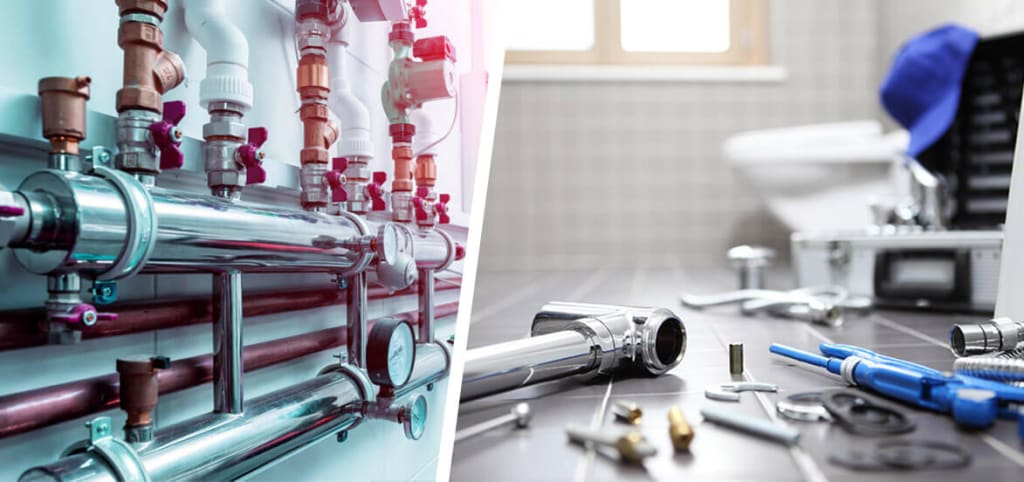
When most people search for a plumber Texas, they’re likely dealing with a problem they want fixed—fast. But what they may not realize is that the type of plumber you need can vary significantly depending on whether the issue is in a home or a business. Plumbing isn’t one-size-fits-all, especially in a state like Texas where the range of properties is as vast as the landscape. From small family homes to sprawling office complexes, the plumbing needs are different—and so are the services required to meet them.
Let’s break down the key differences between residential and commercial plumbing services in Texas, and why it matters who you call.
Volume and Complexity: A Tale of Two Systems
In a typical home, the plumbing system is relatively straightforward. You’ve got a kitchen, a couple of bathrooms, maybe a laundry room. The water usage is predictable, and the piping usually spans one or two floors. That makes residential plumbing more manageable, and most issues—like a clogged drain or leaky faucet—can be diagnosed and fixed quickly.
Now take a commercial building. Think office towers, hotels, hospitals, or restaurants. These places don’t just have more pipes; they have more complicated networks of water and waste lines, sometimes extending across multiple stories and servicing dozens or hundreds of users daily. The plumbing in these buildings needs to support heavy demand and follow stricter regulations. There are grease traps in restaurants, medical-grade piping in hospitals, and pressure-balancing valves in hotels. One small problem in a commercial system can quickly escalate into a major disruption.
In short: Residential plumbing is like a backyard garden hose. Commercial plumbing is a fire hydrant system.
Codes, Permits, and Regulations
All plumbers in Texas must follow state plumbing codes, but commercial properties are subject to additional layers of compliance. Commercial jobs often require detailed permits, inspections, and adherence to OSHA and ADA standards. Residential work typically has fewer red tape requirements, and when inspections are needed, they’re usually faster and less complex.
A plumber who’s only worked in homes may not have the licensing or experience to navigate commercial regulations. That’s not just a paperwork issue—it’s a liability. A restaurant with improperly installed plumbing can be shut down for code violations. A hotel with poor water pressure can rack up bad reviews fast. Knowing the rules isn’t optional in commercial work; it’s part of the job.
Equipment and Tools: Not All Wrenches Are Equal
A residential plumber might come to a house with a standard set of tools—pipe wrench, auger, drain snake, and maybe a camera for pipe inspections. That’s usually enough.
Commercial plumbers, however, work with industrial-grade equipment. Hydro jetting machines for clearing massive clogs, pipe relining technology, pressure regulators, and even leak detection systems for underground lines. They often need to work during off-hours, which means showing up at midnight to fix a hotel’s boiler system without disrupting guests. This isn’t about fixing a sink—it’s about keeping a business running.
Time Is Money—Literally
Here’s where things get interesting. In residential plumbing, the main concern is comfort and convenience. Nobody wants to shower in cold water or hear their toilet gurgle like a swamp creature. But a broken toilet in a home is a personal inconvenience. A broken toilet in a retail store? That’s lost revenue, bad customer experiences, and possibly even temporary closure.
Commercial plumbing services prioritize uptime and reliability because every minute of delay can cost businesses real money. That’s why many commercial plumbing companies offer 24/7 emergency services, service contracts, and regular maintenance schedules—things a homeowner probably doesn’t think about until something goes wrong.
Skillsets and Specialization
It’s not just about tools and codes—it’s about mindset. Residential plumbers tend to focus on customer service, home aesthetics, and solving common household issues efficiently. Commercial plumbers must be strategists and troubleshooters. They need to think about system design, scalability, and long-term maintenance.
For example, consider a school building. The plumbing has to support hundreds of students using restrooms at once, often in short time windows between classes. The systems have to be robust, energy-efficient, and virtually fail-proof. That kind of planning and installation requires experience and technical know-how beyond the scope of residential work.
Pricing Expectations
Let’s talk dollars—because yes, commercial plumbing is usually more expensive. The systems are larger, the tools more advanced, the compliance stricter, and the risks higher. That doesn’t mean homeowners get a bargain or that commercial clients get gouged. It simply reflects the scale and complexity of the job.
Homeowners are typically billed per hour or per job, and they may get by with one technician and a toolbox. Commercial jobs often involve teams, project managers, and multi-day timelines. It’s not just about fixing a leak; it’s about planning a solution that doesn’t disrupt day-to-day business.
Choosing the Right Plumber in Texas
So what’s the takeaway here? When you’re searching for a plumber Texas, the key is to know what kind of plumbing help you actually need. If it’s a home repair, a residential plumber will be faster, cheaper, and more aligned with your expectations. If you’re running a business, managing a facility, or overseeing a commercial buildout, make sure you’re working with a plumber who specializes in commercial systems.
Hiring the wrong type of plumber can result in delays, failed inspections, or even costly rework. On the flip side, choosing the right one saves time, reduces stress, and protects your property—whether it’s your dream home or your bottom line.
Final Thoughts
Texas is big, and so are the differences in plumbing needs across its residential and commercial landscapes. While both types of plumbers work with the same basic principles—water in, waste out—the scale, tools, and stakes are very different. Knowing who to call isn’t just about fixing a problem. It’s about making sure it doesn’t happen again.
About the Creator
Keep reading
More stories from Marie Hines and writers in Lifehack and other communities.
Fences of Fury to Fences of Joy: Your Guide to Fence Installation in Charlotte, NC
Ah, Charlotte. The Queen City, steeped in history, brimming with charm, and...well, maybe lacking a little privacy in your backyard oasis? If you're tired of feeling like you're living in a fishbowl, or if Fido's escape attempts are giving you a run for your money, then it's time to consider fence installation. But fret not, fellow Charlottean! This guide will transform your fence woes into a fence-tastic adventure.
By Marie Hines9 months ago in Lifehack
Industrial Air Pollution Control: Why Clean Air is the Future of Manufacturing
Introduction Clean air isn’t just a matter of comfort in industrial settings—it’s a necessity. As industries expand and manufacturing processes become more advanced, the byproducts of production are having a significant impact on the environment and the health of workers. Factories, plants, and warehouses emit pollutants ranging from toxic gases to fine particulate matter, creating a hazardous atmosphere both indoors and outdoors. This blog explores how air pollution control has evolved into a core pillar of sustainable industrial growth, how regulations are shaping corporate responsibility, and why businesses must prioritise cleaner air strategies to remain competitive, ethical, and future-ready.
By Hafsa Usmani6 days ago in Lifehack
EMR Billing Solutions: A Complete Guide for Modern Healthcare Practices
Healthcare providers today face mounting administrative pressures alongside rising operational costs. Accurate documentation, timely claim submission, and regulatory compliance are critical for financial stability. EMR billing solutions offer an integrated approach that connects clinical records with revenue cycle management, improving efficiency and reimbursement outcomes.
By Tracee Jones6 days ago in Lifehack
The Politics of Playing Dress-Up
Well, to start off I'd like to say a happy world book day to all who celebrate. I know I haven't really posted anything on my socials about it but I'm not a jubilant kind of person. I lay low most of the time. Let's start off with a popular anecdote from the vaults...
By Annie Kapur3 days ago in Geeks



Comments
There are no comments for this story
Be the first to respond and start the conversation.