
Top 10 Mind-Blowing AI Innovations You Need to Know About
Embracing the AI Revolution
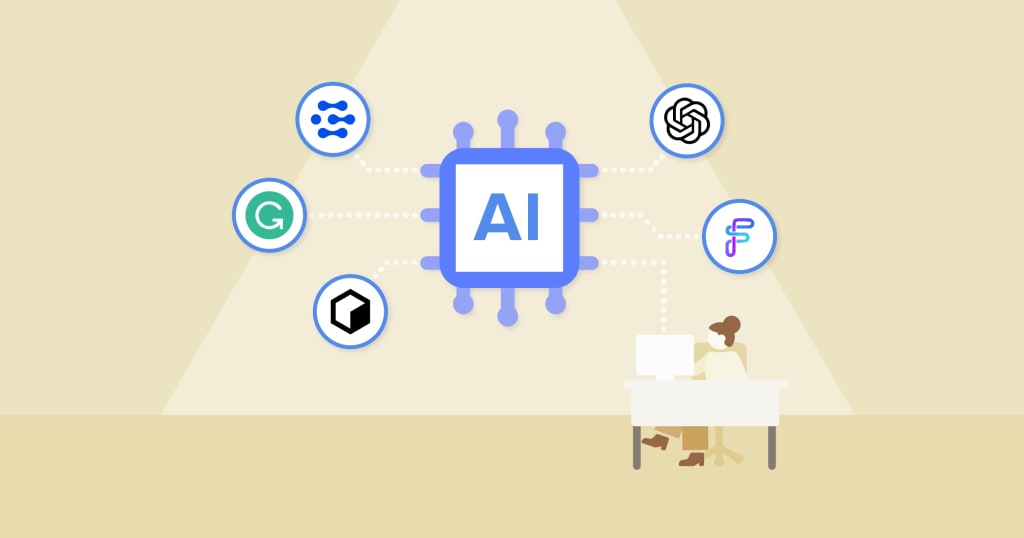
Artificial Intelligence (AI) is no longer a concept confined to the realms of science fiction. It has become an integral part of our everyday lives, driving innovations across various industries. From healthcare to entertainment, AI is transforming the way we live, work, and interact with the world. Here, we explore ten mind-blowing AI innovations that are reshaping our future, complete with real-life examples that highlight their impact and potential.
1. AI in Healthcare: Precision Medicine
One of the most promising applications of AI is in healthcare, particularly in the field of precision medicine. AI algorithms can analyze vast amounts of medical data to identify patterns and predict disease outcomes, enabling personalized treatment plans.
Real-Life Example: IBM Watson for Oncology
IBM Watson for Oncology is a prime example of AI's potential in healthcare. By analyzing patient records, medical literature, and clinical trial data, Watson provides oncologists with evidence-based treatment recommendations. In one case, Watson helped diagnose a rare form of leukemia in a patient whose condition had puzzled doctors, ultimately guiding them to a successful treatment plan.
2. Autonomous Vehicles: The Future of Transportation
Self-driving cars, powered by AI, are set to revolutionize transportation. These vehicles use machine learning algorithms to navigate roads, recognize obstacles, and make real-time decisions, promising safer and more efficient travel.
Real-Life Example: Waymo's Autonomous Taxis
Waymo, a subsidiary of Alphabet Inc., is at the forefront of autonomous vehicle technology. In 2020, Waymo launched its fully driverless taxi service in Phoenix, Arizona. This groundbreaking service not only showcases the potential of self-driving cars but also provides a glimpse into the future of urban mobility.
3. AI in Education: Personalized Learning
AI is transforming education by offering personalized learning experiences. Adaptive learning platforms use AI to tailor educational content to individual student needs, enhancing engagement and improving outcomes.
Real-Life Example: Carnegie Learning's MATHia
Carnegie Learning's MATHia is an AI-driven tutoring system that provides personalized math instruction. By analyzing student performance, MATHia adapts lessons in real-time, ensuring each student receives the support they need. This approach has significantly improved math proficiency among users, demonstrating the power of AI in education.
4. AI in Entertainment: Content Creation and Recommendations
AI is revolutionizing the entertainment industry, from content creation to personalized recommendations. AI-driven tools can analyze user preferences to suggest content and even create new works of art.
Real-Life Example: Netflix's Recommendation Engine
Netflix's AI-powered recommendation engine analyzes viewing habits to suggest shows and movies tailored to individual preferences. This system has been incredibly effective, with over 80% of watched content coming from recommendations. By enhancing user experience, AI is keeping viewers engaged and satisfied.
5. Natural Language Processing: Transforming Communication
Natural Language Processing (NLP) enables machines to understand and interact with human language. This technology is being used in applications ranging from virtual assistants to translation services.
Real-Life Example: OpenAI's GPT-3
OpenAI's GPT-3 is a state-of-the-art NLP model capable of generating human-like text based on a given prompt. It can write essays, answer questions, and even create poetry, showcasing the potential of AI to transform communication and creative industries.
6. AI in Agriculture: Enhancing Crop Yields
AI is making waves in agriculture by optimizing crop yields and reducing resource use. Machine learning algorithms can analyze soil conditions, weather patterns, and crop health to provide actionable insights to farmers.
Real-Life Example: John Deere's See & Spray Technology
John Deere's See & Spray technology uses AI to identify and target weeds with precision. This reduces the need for herbicides and improves crop yields, demonstrating how AI can promote sustainable farming practices.
7. AI in Finance: Fraud Detection and Risk Management
In the financial sector, AI is enhancing fraud detection and risk management. Machine learning algorithms can analyze transaction data to identify unusual patterns and flag potential fraud in real time.
Real-Life Example: PayPal's Fraud Detection System
PayPal uses AI to detect fraudulent transactions. By analyzing millions of transactions daily, PayPal's AI system identifies suspicious activity and prevents fraud before it occurs, protecting users and ensuring secure financial transactions.
8. AI in Customer Service: Virtual Assistants
AI-powered virtual assistants are transforming customer service by providing instant, accurate responses to customer inquiries. These assistants can handle a wide range of tasks, from answering questions to processing orders.
Real-Life Example: Amazon Alexa
Amazon Alexa is one of the most popular virtual assistants, capable of performing various tasks through voice commands. From controlling smart home devices to answering questions, Alexa showcases the convenience and efficiency of AI in everyday life.
9. AI in Retail: Enhancing the Shopping Experience
AI is enhancing the retail experience by providing personalized recommendations and optimizing supply chains. Machine learning algorithms can analyze customer data to predict preferences and improve inventory management.
Real-Life Example: Amazon's Recommendation System
Amazon's AI-driven recommendation system analyzes purchase history and browsing behavior to suggest products tailored to individual customers. This personalized approach has significantly boosted sales and customer satisfaction, highlighting the impact of AI in retail.
10. AI in Art and Creativity: Generating New Works
AI is breaking new ground in the arts by creating original works of music, art, and literature. These AI-generated pieces challenge our understanding of creativity and the role of machines in artistic expression.
Real-Life Example: AI-Generated Art by DeepDream
DeepDream, an AI program developed by Google, creates unique and surreal images by processing existing photos. These AI-generated artworks have been featured in galleries and auctions, demonstrating the creative potential of AI.
Conclusion: Embracing the AI Revolution
The innovations highlighted above are just the tip of the iceberg when it comes to AI's transformative potential. As AI continues to evolve, it will undoubtedly bring about even more groundbreaking changes, enhancing our lives in ways we can only imagine. By embracing AI, we can harness its power to solve complex problems, improve efficiency, and create a better future for all.
AI is not just a technological advancement; it is a revolution that promises to reshape every aspect of our lives. The future is here, and it is powered by artificial intelligence.
About the Creator
How to Recover Your Instagram Account: The Complete 2026 Guide
Losing access to your Instagram account can feel like being locked out of a digital life. With billions of users and accounts increasingly targeted by hackers, knowing exactly how to react is crucial. Whether you’ve been hacked, forgotten your password, or had your account disabled, this comprehensive guide walks you through every official recovery method. We base our advice on Instagram's official help resources and cybersecurity experts to ensure you can regain access quickly and secure your profile for the future.
By Alexander Hoffmannabout 23 hours ago in Lifehack
Top 10 Side Effects of Chia Seeds You Should Know
Chia seeds have gained huge popularity in recent years as a superfood. From smoothies and puddings to salads and oatmeal, these tiny seeds are often praised for their high fiber, omega-3 fatty acids, and protein content. Many people include them in their daily diet to support weight loss, digestion, and overall health.
By Veronica Bennett4 days ago in Lifehack
My First Time Skiing and I Got Lost, Alone, in the French Alps
Looking back, I can trace some of my life’s biggest adventures to a simple action from my sister. She’d introduced me to Tommy (a very long time ago), a colleague of hers, who had overshared his penchant for Italian-looking women, and I ticked that box.
By Chantal Christie Weissabout 23 hours ago in Humans


Comments
There are no comments for this story
Be the first to respond and start the conversation.