
The Future of AI
How Artificial Intelligence Will Change Our Lives
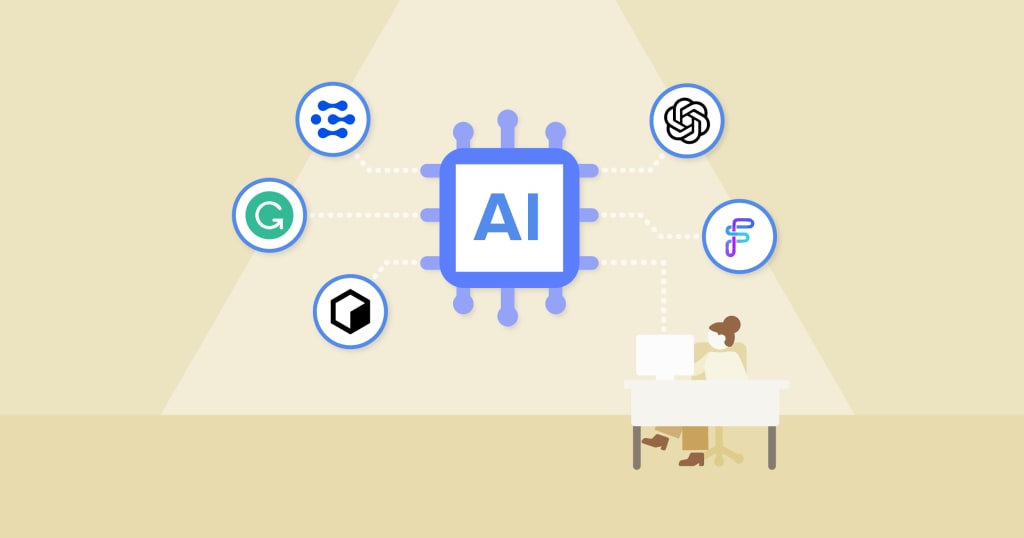
Artificial Intelligence (AI) has been a buzzword for years, but we are now entering an era where it is becoming an integral part of our daily lives. From healthcare to entertainment, AI is transforming industries and making what once seemed like science fiction a reality. This article explores how AI is poised to change our lives, with inspiring real-life examples that highlight its potential.
AI in Healthcare: A New Frontier
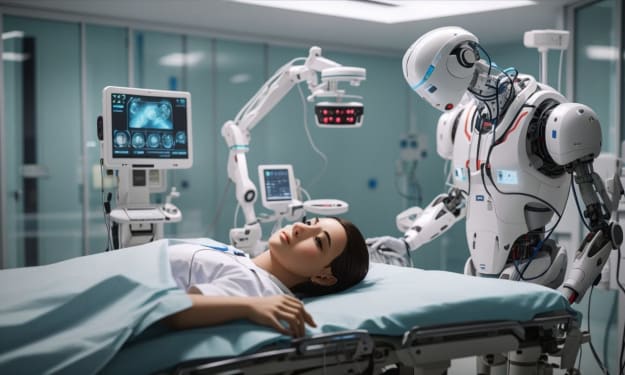
One of the most promising areas for AI is healthcare. Imagine a world where diseases are diagnosed with pinpoint accuracy, treatments are personalized to each patient, and medical professionals can predict health issues before they become critical. This is not a distant dream but a reality being built today.
Real-Life Example: IBM Watson in Oncology
IBM Watson, an AI system, is revolutionizing cancer treatment. Watson can analyze vast amounts of medical data, including patient records, clinical trials, and medical literature, to provide oncologists with evidence-based treatment options. In one notable case, Watson was able to diagnose a rare form of leukemia in a Japanese patient that had eluded doctors. By analyzing genetic mutations and medical literature, Watson identified a treatment plan that saved the patient's life. This is just one example of how AI is making healthcare more efficient, accurate, and personalized.
AI in Everyday Life: Enhancing Convenience and Safety
AI is also making its way into our everyday lives, enhancing convenience and safety in ways we might not even notice.
Real-Life Example: Autonomous Vehicles
Self-driving cars, powered by AI, are on the brink of transforming transportation. Companies like Tesla, Waymo, and Uber are testing autonomous vehicles that can navigate complex traffic situations, recognize obstacles, and make split-second decisions to avoid accidents. In 2020, a blind man in Austin, Texas, became one of the first people to ride in a fully autonomous vehicle. This milestone not only showcased the potential of self-driving cars to provide mobility to those who cannot drive but also highlighted their ability to improve road safety and reduce accidents caused by human error.
AI in Education: Personalized Learning Experiences
Education is another field where AI is making significant strides. Traditional education systems often struggle to meet the diverse needs of students. AI can provide personalized learning experiences, catering to individual strengths and weaknesses.
Real-Life Example: Duolingo and AI-Powered Language Learning
Duolingo, a popular language-learning app, uses AI to tailor lessons to each user's proficiency level and learning pace. The app's AI algorithms analyze user interactions and adapt the difficulty of exercises accordingly. This personalized approach has proven to be highly effective, with millions of users worldwide achieving their language learning goals. Duolingo's success demonstrates how AI can make education more accessible and effective, breaking down barriers to learning and enabling lifelong education.
AI in Entertainment: Creating New Experiences
The entertainment industry is also being transformed by AI, from content creation to personalized recommendations.
Real-Life Example: Netflix and AI-Driven Recommendations
Netflix is renowned for its AI-driven recommendation system, which analyzes viewing habits to suggest shows and movies tailored to individual preferences. This system has been instrumental in keeping users engaged, with 80% of Netflix views coming from recommendations. Beyond recommendations, AI is also being used in content creation. For instance, the AI-driven scriptwriting tool, ScriptBook, can analyze scripts and predict their success, helping studios make informed decisions about which projects to greenlight.
AI and Employment: Shaping the Future of Work
There is a common fear that AI will lead to widespread job loss. While it is true that AI will automate certain tasks, it will also create new job opportunities and industries.
Real-Life Example: AI and Job Creation in Tech Industries
The rise of AI has led to the creation of entirely new job categories, such as AI ethicists, data scientists, and machine learning engineers. Companies like Google and Microsoft are investing heavily in AI research and development, creating thousands of jobs in the process. Furthermore, AI-powered tools are enhancing human capabilities, allowing professionals in various fields to perform their tasks more efficiently and with greater precision.
Conclusion: Embracing the AI Revolution
As we stand on the brink of an AI revolution, it is essential to embrace the transformative potential of this technology. AI is not just about making our lives easier; it has the power to solve some of the world's most pressing challenges, from healthcare and education to transportation and entertainment. By understanding and harnessing the capabilities of AI, we can create a future where technology and humanity work together to improve lives.
The future of AI is bright, and its impact will be profound. As we continue to innovate and integrate AI into our daily lives, we can look forward to a world that is smarter, safer, and more connected than ever before.
About the Creator
Phoenix, Arizona: The City That Learned to Grow With the Desert
When people first arrive in Phoenix, Arizona, the landscape can feel almost surreal. The vast Sonoran Desert stretches outward with towering saguaro cacti, rugged mountains, and wide skies that shift colors dramatically at sunset. At first glance, it seems like an unlikely place for a major metropolitan area.
By House Doctor5 days ago in Lifehack
The mistake that keeps high performers stuck
There is a common assumption many professionals carry throughout their careers. It sounds logical at first. If I work hard, produce great results, and consistently deliver strong performance… eventually I will be recognized and promoted.
By Bahati Mulishia day ago in Lifehack


Comments
There are no comments for this story
Be the first to respond and start the conversation.