
Top 10 Foods for Good Health
Healthy Foods for Best Life
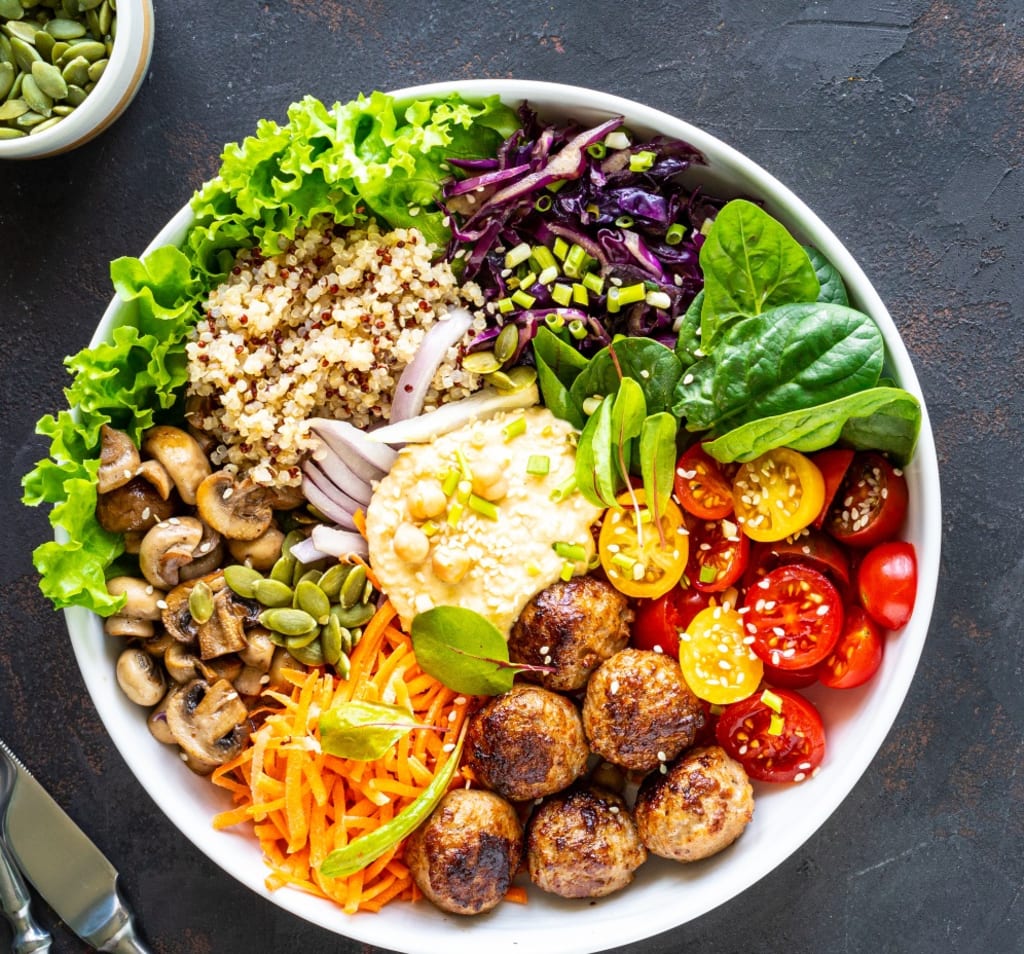
Top 10 Foods for Good Health
1. Water
Every day, drink 8 to 12 cups of water.
2. Dark Green Vegetables
At least three to four times a week, consume dark green veggies. Broccoli, peppers, brussel sprouts, and leafy greens like kale and spinach are all good choices.
3. Whole Grains
At least twice or three times a day, consume whole grains. Look for whole wheat, rye, oatmeal, barley, amaranth, quinoa, or a multigrain when choosing your flour. 3 to 4 grams of fiber per serving are found in a good source of fiber. An excellent source has 5 grams or more of fiber per serving.
4. Beans and Lentils
Eat a meal with beans at least once every week. Lentils, including beans, can be eaten alone or added to salads, soups, stews, casseroles, and dips.
5. Fish
Eat two to three servings of fish per week if possible. Three to four ounces of cooked fish make up a dish. Salmon, trout, herring, bluefish, sardines, and tuna are all excellent options.
6. Berries
Add two to four servings of fruit per day to your diet. Attempt to consume fruit like strawberries, raspberries, blueberries, and blackberries.
7. Winter Squash
Consume butternut and acorn squash as well as other colorful fruits and vegetables, such as mango, cantaloupe, and sweet potatoes, that are vividly pigmented in dark orange and green.
8. Soy
To assist in lowering cholesterol levels, a low-fat diet is advised to include 25 grams of soy protein per day. Try tempeh, edamame beans, soy milk, tofu, and texturized vegetable protein (TVP).
9. Flaxseed, Nuts and Seeds
Add 1 to 2 tablespoons of ground flaxseed or other seeds to your meals every day, or add 1/4 cup of moderately sized nuts in your diet.
10. Organic Yogurt
1000 milligrams of calcium per day are required for men and women between the ages of 19 and 50, and 1200 milligrams for those over 50. Three to four times a day, consume calcium-rich foods such nonfat or low-fat dairy products. incorporate organic options.
Consume a range of foods.
Consuming a range of foods from all 5 major food categories in the suggested serving sizes constitutes healthy eating.
Eating a variety of foods from the five main food groups keeps your diet interesting with a diversity of flavors and textures while also supplying your body with a variety of nutrients, promoting overall health, and maybe lowering your risk of disease.
Many of the items that are frequently consumed on a daily basis in modern diets do not fall within one of the five food groups. These items, also known as "junk," "discretionary options," or "occasional foods," can be eaten occasionally but shouldn't be a regular part of a balanced diet. Although high in kilojoules (energy), fats and oils are essential for
Healthy eating on a budget
Being healthy need not be pricey. Here are some strategies for cutting food costs:
Prepare extra food for dinner so you can utilize the leftovers for lunch or a quick supper the next day.
Cook twice as much, then divide the leftovers into serving-sized quantities and freeze.
Shop at the neighborhood markets just before they close for inexpensive produce, meat, and dairy products.
Purchase in bulk (it will typically be less expensive) and separate out portions to freeze for later use.
Use less expensive meat for curries and casseroles that will cook slowly for a long time, and then add more beans and vegetables to stretch the dish further.
One-pot meals, where you combine all the ingredients, save time, money, energy, and dishwashing.
👉The Lost SuperFoods Book- Get it
About the Creator
Keep reading
More stories from Duma E Shop and writers in Lifehack and other communities.
7 Home Remedies for Gastritis
Overview Any disorder that causes an inflammation of the stomach lining is referred to as gastropathy. Gastritis can be brought on by excessive alcohol consumption, usage of painkillers, and H. pylori bacteria. Vomiting, nausea, and an abdominal gnawing sensation are typical symptoms.
By Duma E Shop3 years ago in Lifehack
A Priceless Lesson of Life
There was once a man who had four sons. He deeply wished that his sons would learn one of the most important lessons of life: never be quick to judge others. He believed that true understanding comes only with patience and time. To teach them this lesson in a meaningful way, he decided to send them on a journey.
By Sudais Zakwanabout 22 hours ago in Lifehack
How to Build a Home Gym You’ll Actually Use (Not One That Collects Dust)
Building a home gym sounds simple: buy some equipment, set it up, and train whenever you want. In reality, many home gyms end up unused after the initial excitement fades. The problem usually isn’t motivation or discipline—it’s design.
By Enrique Navarro5 days ago in Lifehack




Comments
There are no comments for this story
Be the first to respond and start the conversation.