
Tips for Choosing the Right Planter for Your Plants
Tips for Choosing the Right Planter for Your Plants

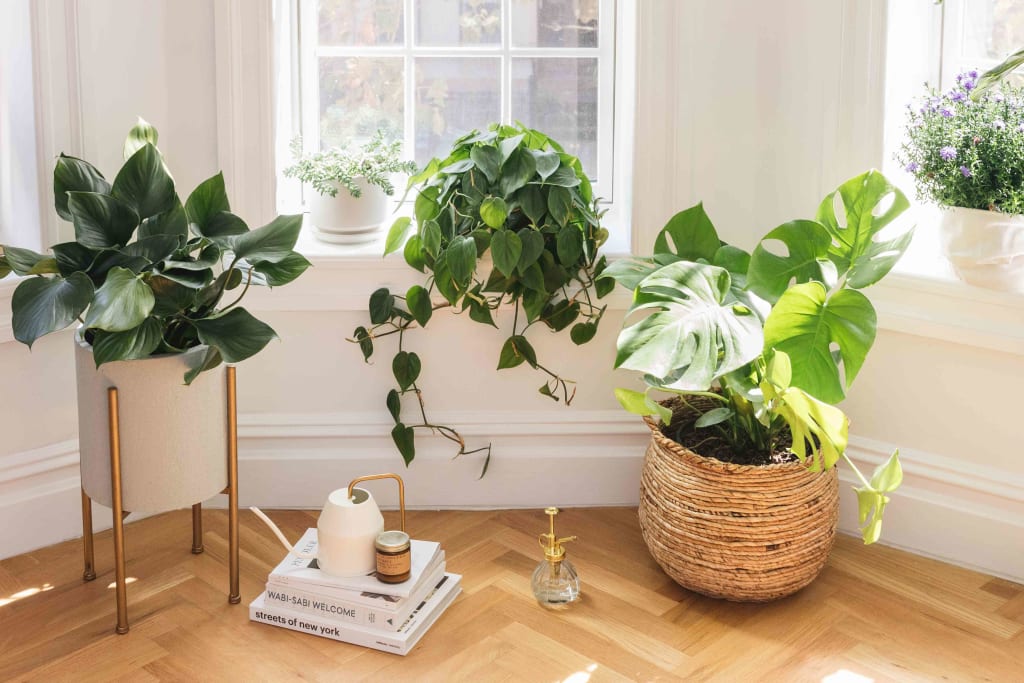
Tips for Choosing the Right Planter for Your Plants
Choosing the right planter for your plants is a crucial step in ensuring their health and vitality. A well-suited planter provides the necessary environment for your plants to thrive, while also enhancing the aesthetic appeal of your indoor or outdoor space. In this comprehensive guide, we will delve into the various factors you should consider when selecting planters, ranging from plant size and drainage to material options and design preferences. By the end of this article, you'll be equipped with the knowledge to make informed decisions and create a harmonious environment for your beloved plants.
Plant Size and Type: The size and type of your plants play a fundamental role in choosing an appropriate planter. Consider the growth potential of your plant, both above and below the soil. Smaller plants require less space, whereas larger plants need room to spread their roots. Tall plants may require deeper planters to accommodate their root systems, while shallow-rooted plants can thrive in shallower containers. Furthermore, take into account the potential for overgrowth and choose a planter that can accommodate the plant's mature size.
Drainage: Proper drainage is essential to prevent waterlogging and root rot. Look for planters with drainage holes at the bottom to ensure excess water can escape. If you fall in love with a planter that lacks drainage holes, consider using it as a decorative outer pot and placing a well-draining inner pot with drainage inside. This will create a barrier between the plant and standing water, preserving its health.
Material Options: Planters come in a variety of materials, each with its own set of benefits and considerations:
Terracotta: This porous clay material provides good airflow to the roots and helps regulate moisture. However, it can dry out quickly and may require more frequent watering.
Ceramic and Porcelain: These planters offer a wide range of colors and designs. They retain moisture well and are suitable for plants that prefer slightly more humidity.
Plastic: Lightweight and budget-friendly, plastic planters come in various shapes and sizes. Ensure they have adequate drainage to prevent water accumulation.
Metal: Durable and stylish, metal planters may retain heat, so they are better suited for plants that can handle warmer conditions.
Wood: Wooden planters provide insulation and a natural aesthetic, but they may rot over time. Consider using liners or treating the wood to extend their lifespan.
Location and Climate: Consider where you plan to place your planters - indoors or outdoors - and the climate of your region. Outdoor planters should be able to withstand the elements, such as rain, wind, and sunlight. Indoor planters should complement your interior décor and lighting conditions. Certain materials, like metal, can heat up quickly under direct sunlight, potentially damaging sensitive plants.
Aesthetic and Design: The visual appeal of your planters contributes to the overall ambiance of your space. Choose planters that align with your personal style and complement the surroundings. Consider factors like color, shape, and texture. Keep in mind that a well-coordinated arrangement of planters can create a stunning focal point.
Mobility and Size: Depending on your needs, consider whether you want planters that are easy to move around. Planters with built-in wheels or lightweight materials are convenient if you need to rearrange your plants frequently. Additionally, ensure that the chosen planter fits comfortably in the designated space without overwhelming it.
Maintenance and Durability: Different materials require varying levels of maintenance. Plastic and metal planters are generally low-maintenance, while wooden and terracotta planters may need more care. Consider the effort you're willing to invest in maintaining your planters and choose accordingly.
Grouping and Arrangement: Experiment with different arrangements and groupings of planters to create visual interest and harmony. Mixing various sizes, shapes, and heights can add depth and dimension to your display.
Special Considerations: For certain plants, such as succulents or orchids, specialized planters or containers may be required to cater to their unique needs. Research the specific requirements of your plants and choose planters that can accommodate those needs.
Conclusion: Choosing the right planter for your plants is a blend of art and science. By taking into account factors such as plant size, drainage, material, location, and design, you can create an environment that promotes the health and beauty of your plants. Remember that each plant has its own preferences, so tailor your choices to cater to their specific needs. With the insights gained from this guide, you'll be well-equipped to embark on your journey of selecting the perfect planters and watching your plants flourish in their new homes.
About the Creator
Kavya Organic Garden
Passionate about home gardening, plant care, growth, and maintenance. Join me on this exciting journey of organic practices and sustainable gardening! 🌱
Keep reading
More stories from Kavya Organic Garden and writers in Lifehack and other communities.
The Importance of Proper Lighting for Indoor Plants
The Importance of Proper Lighting for Indoor Plants Introduction: Indoor gardening has gained immense popularity in recent years, allowing plant enthusiasts to bring nature into their homes, offices, and other indoor spaces. While factors like water, nutrients, and temperature are well-known contributors to plant health, the significance of proper lighting often goes unnoticed or underestimated. Adequate lighting is a crucial aspect of successful indoor plant cultivation, as it plays a pivotal role in photosynthesis, growth, and overall plant well-being.
By Kavya Organic Garden2 years ago in Lifehack



Comments