
"Thriving Within: A Guide to Mental Wellness and Growth"
A Holistic Approach to Mental Wellness and Personal Growth

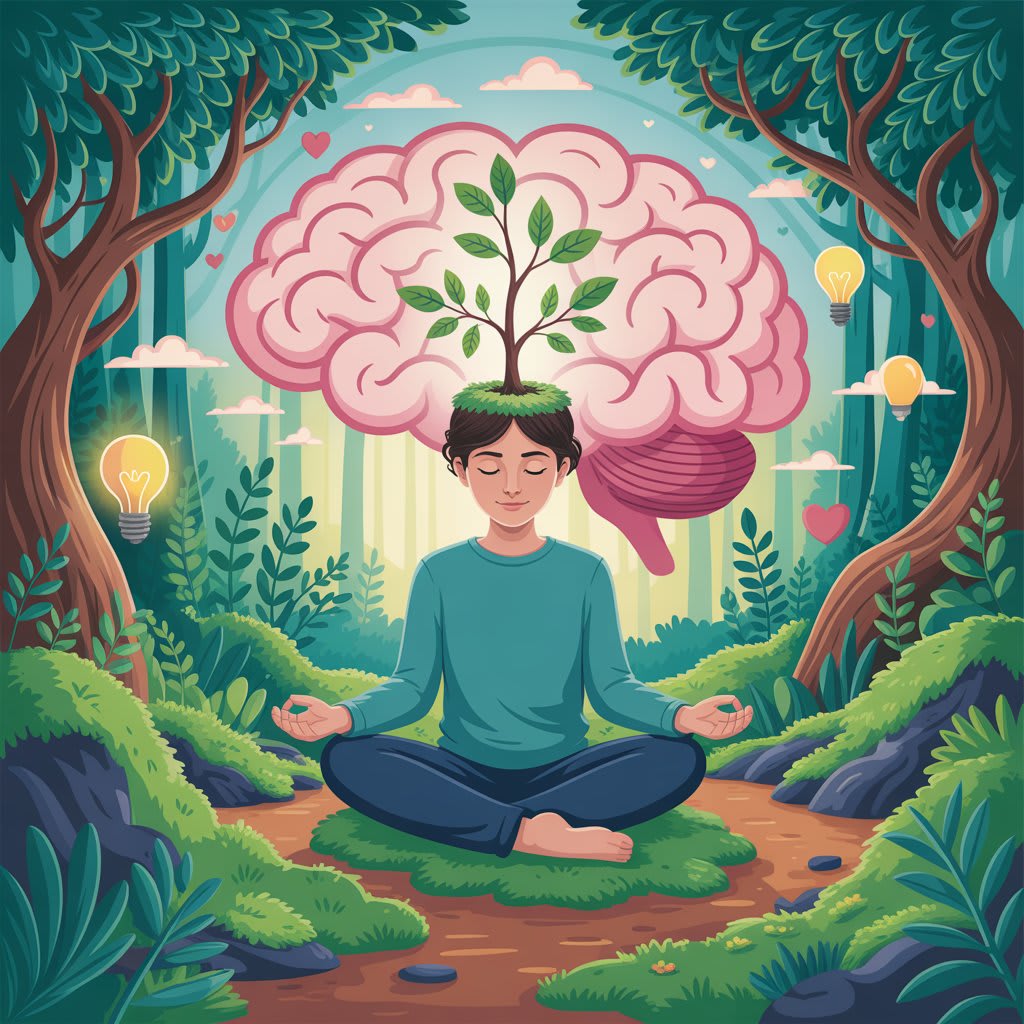
In today’s fast-paced and ever-evolving world, mental wellness and personal growth have become central to leading a fulfilling life. Mental health challenges such as anxiety, stress, depression, and burnout are increasingly common, affecting individuals across all walks of life. While clinical treatments and therapy remain vital, there is growing recognition that a holistic approach—one that integrates mind, body, and spirit—offers a sustainable path to mental wellness and personal transformation.
This article explores what a holistic approach to mental wellness and personal growth entails, why it matters, and how it can be practically implemented in our daily lives.
Understanding Holistic Mental Wellness
The word “holistic” comes from the Greek word holos, meaning “whole.” A holistic approach to mental wellness views the individual not as a collection of separate parts (mind, body, emotions, behaviors), but as an integrated whole. Rather than just treating symptoms of psychological distress, a holistic framework addresses the root causes—including physical health, emotional wellbeing, environmental influences, lifestyle factors, relationships, and spiritual dimensions.
Holistic mental wellness doesn't negate traditional medical approaches; rather, it complements them with alternative and preventive strategies such as:
Mindfulness and meditation
Nutrition and exercise
Sleep hygiene
Emotional regulation
Healthy social connections
Spiritual practices
Creative expression
Purpose and self-awareness
Key Pillars of a Holistic Approach
1. Mental and Emotional Awareness
Mental and emotional health are deeply interconnected. Thoughts can influence emotions, and emotions can affect thinking patterns. Holistic wellness begins with self-awareness—recognizing your mental states, emotional triggers, limiting beliefs, and recurring thought patterns.
Mindfulness: Practicing mindfulness helps individuals become more aware of the present moment without judgment. It reduces reactivity and enhances emotional intelligence.
Cognitive Behavioral Tools: Identifying and challenging cognitive distortions (like all-or-nothing thinking or catastrophizing) can lead to healthier mental habits.
Journaling: Writing down thoughts and feelings fosters reflection and emotional release, often clarifying underlying issues.
2. Physical Health and the Mind-Body Connection
The mind and body are not separate entities. Poor physical health—whether due to a sedentary lifestyle, poor diet, lack of sleep, or chronic illness—can directly affect mental wellbeing. Similarly, mental stress can manifest physically as tension, fatigue, or illness.
Key practices include:
Nutrition: A diet rich in whole foods, omega-3 fatty acids, and essential vitamins (like B vitamins, magnesium, and vitamin D) can improve brain function and mood.
Exercise: Regular physical activity releases endorphins, reduces stress hormones, and enhances self-esteem.
Sleep: Quality sleep is essential for mood regulation, memory consolidation, and emotional resilience.
3. Spiritual and Existential Wellbeing
Spirituality, in a holistic context, doesn’t necessarily refer to religion. It encompasses a sense of meaning, connection, and purpose. Whether through meditation, prayer, time in nature, or philosophical exploration, spirituality supports inner peace and resilience.
Benefits of spiritual engagement include:
Greater emotional regulation
A deeper sense of purpose and direction
Reduced fear of uncertainty and death
Enhanced connection with oneself and others
4. Social and Relational Health
Human beings are inherently social. Relationships have a profound impact on mental health. Toxic or isolating social environments can damage self-esteem and increase stress, while supportive relationships can act as buffers against adversity.
A holistic approach involves:
Building a strong support network: Friends, family, mentors, or therapists.
Setting healthy boundaries: Protecting mental energy and fostering respect.
Practicing compassion and empathy: Enhancing emotional bonds and social trust.
5. Environmental and Lifestyle Factors
Your surroundings influence your mindset more than you may realize. Cluttered, noisy, or toxic environments can contribute to stress and mental fatigue. Likewise, overstimulation from digital devices can impair focus and sleep.
Holistic environmental wellness includes:
Creating calming spaces: Incorporating natural light, plants, and minimalism.
Limiting digital exposure: Reducing screen time, especially before bed.
Spending time in nature: Forest bathing, walking barefoot on grass, or swimming in natural bodies of water all promote calmness and mental clarity.
6. Creative and Expressive Outlets
Creativity is a vital yet often overlooked component of mental wellness. Engaging in music, art, dance, writing, or any creative pursuit can reduce anxiety and elevate mood.
Art therapy: Used in therapeutic contexts to access unconscious emotions.
Music and movement: These bypass cognitive filters and reach deeper emotional layers.
Storytelling: Whether writing fiction or sharing personal narratives, storytelling facilitates integration and healing.
Personal Growth Through Holistic Practices
Personal growth refers to the ongoing process of self-discovery, self-improvement, and transformation. A holistic framework doesn’t just help you survive—it supports thriving by cultivating deeper self-awareness, resilience, purpose, and inner alignment.
Here’s how holistic wellness fuels personal growth:
1. Self-Awareness and Mindfulness
Personal growth begins with knowing who you are. Mindfulness allows you to observe yourself with clarity—your patterns, habits, strengths, and areas for growth. This awareness is foundational for intentional change.
2. Resilience and Adaptability
Life will always include challenges. A holistic approach teaches adaptive coping mechanisms such as breathwork, gratitude, and spiritual surrender—tools that build psychological flexibility and resilience in the face of adversity.
3. Goal-Setting with Intention
Rather than chasing external success defined by others, holistic growth encourages value-aligned goals. You ask: “What truly matters to me?” and “How can I live in accordance with my values?” This leads to more authentic, sustainable motivation.
4. Integration of All Life Aspects
True growth is not about fixing one area of life at the expense of another. A holistic path seeks balance—between work and rest, achievement and acceptance, doing and being.
5. Healing Past Trauma
Many blocks to personal growth stem from unresolved emotional wounds. A holistic path may incorporate therapies such as:
Somatic therapy
Inner child work
Shadow integration
Energy healing modalities (like Reiki or acupuncture)
These help individuals release past burdens and reclaim their wholeness.
Practices for Everyday Integration
Adopting a holistic lifestyle doesn’t require a complete overhaul. Small, consistent steps yield powerful long-term effects. Here are practical ways to integrate holistic wellness daily:
Morning Routine
Mindful breathing or meditation (5–10 minutes)
Gratitude journaling
Nourishing breakfast with minimal sugar
Intentional goal-setting for the day
During the Day
Stretch or move every hour
Choose nourishing meals
Practice digital mindfulness
Take short nature or sunlight breaks
Evening Routine
Reflect on the day without judgment
Gentle yoga or a warm bath
Limit screens after 8 PM
Listen to calming music or read spiritually enriching material
Weekly Practices
Engage in a creative hobby
Connect deeply with a friend or family member
Do a “soul check-in”: Am I living in alignment with my values?
Volunteer or give back in a meaningful way
Challenges and Misconceptions
Despite its benefits, holistic wellness is sometimes misunderstood:
“It’s anti-science or woo-woo.” In reality, many holistic practices—such as meditation, yoga, and nutrition—are supported by strong scientific research.
“It takes too much time.” Many practices can be integrated into your current routine without major disruptions.
“It’s only for spiritual people.” Holistic wellness is for everyone, regardless of religious or spiritual beliefs.
Conclusion
A holistic approach to mental wellness and personal growth is not a quick fix—it’s a lifestyle shift. It honors the complexity of being human, recognizing that true healing and growth involve the whole person: mind, body, emotions, and spirit.
By integrating holistic practices into daily life, we nurture not just our mental health, but our capacity to grow, connect, and thrive in an often chaotic world. We become more grounded, more aware, and more in tune with our true selves. This path leads to greater resilience, deeper joy, and a life of meaning and purpose.
As the old proverb says: “When the roots are deep, there is no reason to fear the wind.” A holistic approach helps us grow those root.
Thank you so much for reading this! 🥰 If you liked my writing, please leave a comment, click the heart and subscribe for free!
You might enjoy this as well:
About the Creator
David
I turn science into self-care stories that spark real change. From mental wellness to everyday rituals, I share soulful, practical insights to help you heal, grow, and thrive—mindfully, boldly, and on your own terms. Wellness, redefined.



Comments
There are no comments for this story
Be the first to respond and start the conversation.