
The World of Black Tea: A Comprehensive Guide
Explore the bold and rich flavors of black tea with Backyard Brew's premium selection, crafted to elevate your tea experience.

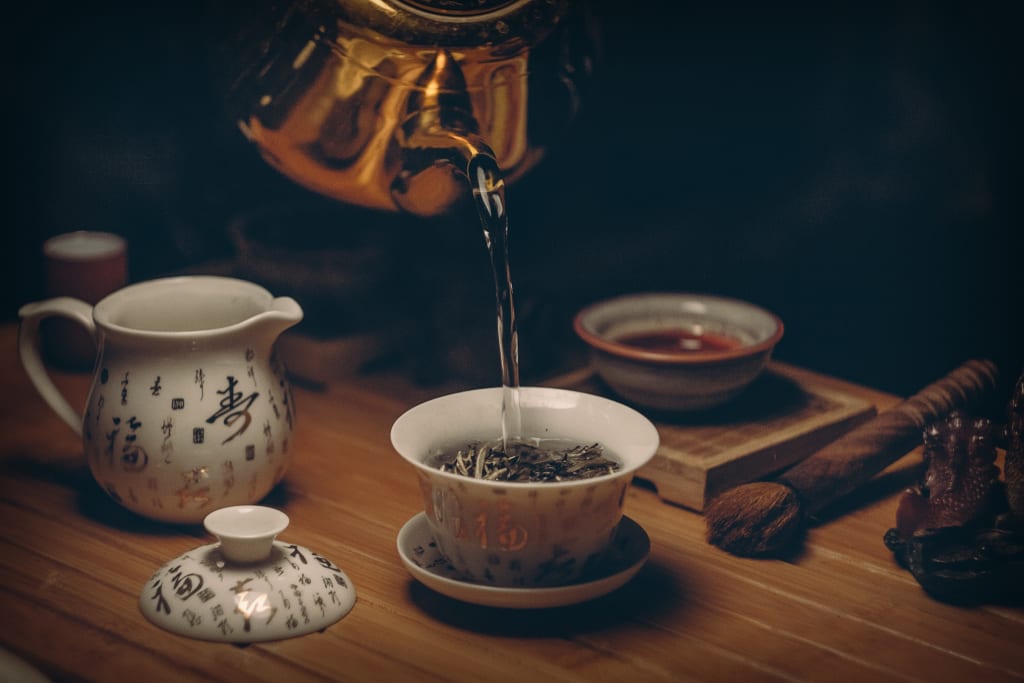
Black tea is one of the most popular beverages around the globe, known for its robust flavor, rich color, and numerous health benefits. Whether you're a seasoned tea drinker or new to the world of tea, black tea offers a diverse range of flavors and aromas to explore. In this blog, we'll delve into the history of black tea, its health benefits, how it differs from other types of tea, and how to brew the perfect cup. By the end, you'll have a deeper understanding and appreciation for this beloved beverage.
The Origins and History of Black Tea
Black tea has a storied history that dates back thousands of years. Its origins can be traced to China, where it was first developed during the Ming Dynasty (1368–1644). Unlike green tea, which was already well-established, black tea was a relatively new invention at the time. The process of fully oxidizing the tea leaves, which gives black tea its distinctive dark color and bold flavor, was discovered by accident. According to legend, a shipment of tea leaves was delayed, causing the leaves to oxidize fully. Rather than discard the oxidized leaves, they were processed and sold, and the result was black tea.
The popularity of black tea quickly spread from China to other parts of Asia, including India, Sri Lanka, and Japan. The British, who were introduced to black tea in the 17th century, played a significant role in popularizing it in Europe. The British East India Company began to cultivate black tea in India and Sri Lanka, leading to the global proliferation of this versatile and flavorful beverage.
The Health Benefits of Black Tea
Black tea is not just a delicious and energizing beverage; it also offers a wide range of health benefits. Here are some of the most notable advantages of drinking black tea:
1. Rich in Antioxidants
Black tea is packed with antioxidants, particularly polyphenols like theaflavins and thearubigins. These antioxidants help protect your cells from damage caused by free radicals, which are unstable molecules that can contribute to aging and various diseases, including cancer.
2. Boosts Heart Health
Regular consumption of black tea has been linked to improved heart health. Studies have shown that drinking black tea can help reduce the risk of heart disease by lowering blood pressure, reducing cholesterol levels, and improving blood vessel function.
3. Aids in Weight Management
For those looking to manage their weight, black tea can be a helpful ally. The polyphenols in black tea have been shown to boost metabolism and promote fat oxidation. Additionally, black tea can help regulate blood sugar levels, reducing the risk of obesity.
4. Improves Mental Alertness
One of the most well-known effects of black tea is its ability to improve mental alertness and concentration. This is primarily due to its caffeine content, which stimulates the central nervous system and increases focus. However, black tea also contains an amino acid called L-theanine, which promotes relaxation and reduces stress, providing a balanced energy boost.
5. Supports Digestive Health
Black tea has been found to have positive effects on digestive health. The tannins in black tea can help soothe the digestive tract and reduce inflammation, making it beneficial for those with gastrointestinal issues. Additionally, black tea has mild antibacterial properties that can help maintain a healthy gut flora.
Black Tea vs. Other Types of Tea
While black tea shares some similarities with other types of tea, such as green tea and oolong tea, there are key differences that set it apart. Understanding these differences can help you choose the best tea for your preferences and health goals.
1. Oxidation Process
The most significant difference between black tea and other teas is the level of oxidation. Black tea is fully oxidized, which gives it its dark color and bold flavor. In contrast, green tea is unoxidized, and oolong tea is partially oxidized. This difference in oxidation affects not only the flavor and color of the tea but also its chemical composition and health benefits.
2. Flavor Profile
Black tea is known for its strong, robust flavor, which can range from malty and sweet to smoky and earthy. Green tea, on the other hand, has a more delicate and vegetal flavor, while oolong tea offers a complex range of flavors that fall somewhere between black and green tea. If you prefer a bold, full-bodied tea, black tea is likely the best choice for you.
3. Caffeine Content
Black tea generally contains more caffeine than green or oolong tea. A typical cup of black tea contains about 40-70 milligrams of caffeine, compared to 20-45 milligrams in green tea and 30-50 milligrams in oolong tea. If you're looking for a tea that provides a stronger energy boost, black tea is the way to go.
How to Brew the Perfect Cup of Black Tea
Brewing black tea is an art that requires attention to detail. Here are some tips to help you brew the perfect cup:
1. Choose High-Quality Tea Leaves
The quality of the tea leaves you choose will have a significant impact on the flavor of your tea. Opt for loose-leaf black tea from reputable sources, such as Backyard Brew's Black Tea Selection, to ensure a rich and satisfying brew.
2. Use Fresh, Filtered Water
The water you use to brew your tea is just as important as the tea leaves themselves. Always use fresh, filtered water to avoid any unwanted flavors that can come from tap water. Bring the water to a rolling boil, then let it cool slightly before pouring it over the tea leaves.
3. Measure the Right Amount of Tea
For a standard 8-ounce cup of tea, use one teaspoon of loose-leaf black tea. Adjust the amount based on your taste preferences, using more tea for a stronger brew and less for a milder flavor.
4. Steep for the Right Amount of Time
Steeping time is crucial when brewing black tea. For most black teas, steeping for 3-5 minutes is ideal. Steeping for too long can result in a bitter taste, while steeping for too short a time may not extract enough flavor.
5. Experiment with Additions
While black tea is delicious on its own, many people enjoy adding milk, sugar, honey, or lemon to enhance the flavor. Feel free to experiment with different additions to find your perfect cup.
Conclusion: Embrace the Richness of Black Tea
Black tea is a versatile and flavorful beverage that offers a wealth of health benefits. Whether you're drinking it for its robust flavor, its ability to improve mental alertness, or its heart-healthy properties, black tea is a drink that can be enjoyed by everyone. With a variety of flavors and blends to choose from, there's a black tea out there for every palate. So why not brew a cup today and discover the richness of black tea for yourself?
Frequently Asked Questions (FAQs) About Black Tea
1. Is black tea good for weight loss?
Yes, black tea can aid in weight loss by boosting metabolism and promoting fat oxidation. However, it should be consumed as part of a balanced diet and healthy lifestyle.
2. How much caffeine is in black tea?
A typical cup of black tea contains 40-70 milligrams of caffeine, depending on the type and brewing method.
3. Can I drink black tea on an empty stomach?
While some people can tolerate black tea on an empty stomach, others may experience stomach discomfort due to its acidity. It's best to consume it with or after food.
4. How should I store black tea?
Store black tea in an airtight container in a cool, dark place to preserve its freshness and flavor.
5. Does black tea have more antioxidants than green tea?
While both black and green tea are rich in antioxidants, they contain different types. Black tea has more theaflavins and thearubigins, while green tea is higher in catechins. Both are beneficial, but their effects may vary.
About the Creator
Backyard Brew
Since 2016, Backyard Brew has been crafting unique coffee and tea blends that bring comfort and joy to every cup. Experience our local touch in every sip.
Keep reading
More stories from Backyard Brew and writers in Lifehack and other communities.
The Wonders of Herbal Tea: Benefits, Varieties, and Brewing Tips
Herbal tea, a delightful and soothing beverage, offers a diverse range of flavors and health benefits. Unlike traditional teas made from the Camellia sinensis plant, herbal teas are crafted from a variety of herbs, flowers, seeds, and fruits. This wide array of ingredients not only provides unique flavors but also contributes to the therapeutic qualities of each blend. In this blog, we'll explore the world of herbal teas, including their health benefits, different types, and tips for brewing the perfect cup.
By Backyard Brew2 years ago in Lifehack
DIY Herbal Remedies Anyone Can Make
There's something deeply satisfying about growing your own medicinal herbs. For centuries, our ancestors relied on backyard gardens not just for food, but for natural remedies that supported their health and well-being.
By Edward Smith7 days ago in Lifehack


Comments
There are no comments for this story
Be the first to respond and start the conversation.