
The Wonders of Herbal Tea: Benefits, Varieties, and Brewing Tips
Herbal Tea: A Flavorful Path to Wellness and Relaxation

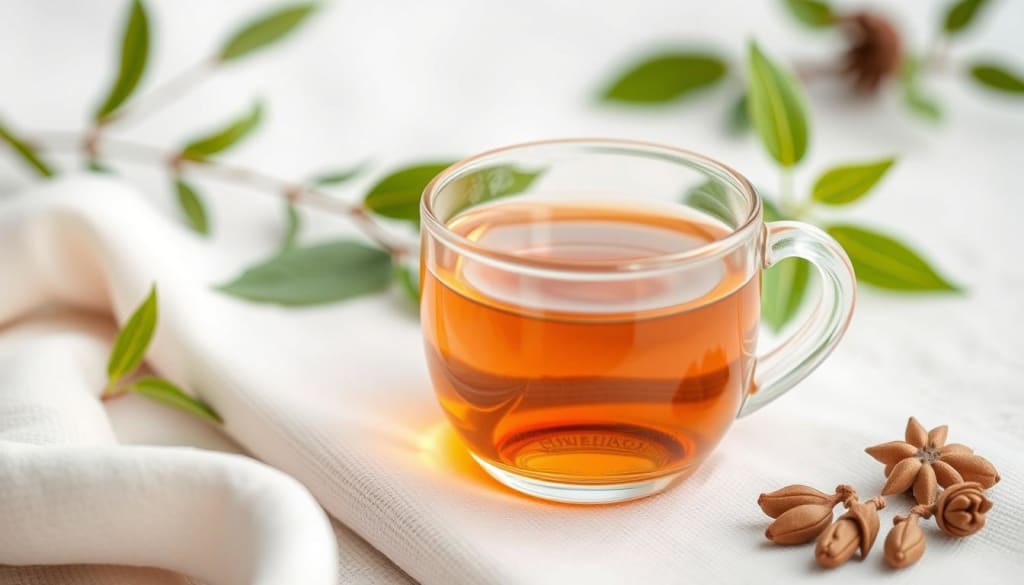
Herbal tea, a delightful and soothing beverage, offers a diverse range of flavors and health benefits. Unlike traditional teas made from the Camellia sinensis plant, herbal teas are crafted from a variety of herbs, flowers, seeds, and fruits. This wide array of ingredients not only provides unique flavors but also contributes to the therapeutic qualities of each blend. In this blog, we'll explore the world of herbal teas, including their health benefits, different types, and tips for brewing the perfect cup.
What Is Herbal Tea?
Herbal tea, also known as tisane, is an infusion made from the leaves, flowers, seeds, or roots of various plants. Unlike true teas, which come from the Camellia sinensis plant, herbal teas are caffeine-free and offer a diverse range of flavors and aromas. They have been enjoyed for centuries for their soothing properties and potential health benefits.
Types of Herbal Teas
Herbal teas come in a variety of flavors and formulations, each offering unique characteristics and benefits. Here are some popular types of herbal teas:
1. Chamomile Tea
Chamomile tea is well-known for its calming properties. Made from the dried flowers of the chamomile plant, it is often used to help with sleep and relaxation. Chamomile tea has a gentle, floral flavor and is frequently enjoyed before bedtime to promote restful sleep.
2. Peppermint Tea
Peppermint tea is made from the leaves of the peppermint plant and is popular for its refreshing taste and digestive benefits. It can help relieve symptoms of indigestion, bloating, and nausea. Peppermint tea has a cool, invigorating flavor that can also help with mental clarity and focus.
3. Ginger Tea
Ginger tea, made from fresh or dried ginger root, is known for its warming and invigorating properties. It is often used to help with nausea, digestion, and inflammation. Ginger tea has a spicy, robust flavor that can be enjoyed plain or with a touch of honey.
4. Hibiscus Tea
Hibiscus tea is made from the dried petals of the hibiscus flower and is known for its vibrant red color and tart flavor. It is rich in antioxidants and may help lower blood pressure and support heart health. Hibiscus tea can be enjoyed hot or cold and is often used as a base for iced tea blends.
5. Rooibos Tea
Rooibos tea, native to South Africa, is made from the leaves of the rooibos plant. It has a naturally sweet and nutty flavor and is rich in antioxidants. Rooibos tea is caffeine-free and is often enjoyed as a calming evening beverage.
Health Benefits of Herbal Tea
Herbal teas offer a range of health benefits, depending on the herbs used in their preparation. Here are some common benefits associated with herbal teas:
1. Promotes Relaxation and Sleep
Herbal teas like chamomile and valerian root are renowned for their calming effects. They can help reduce stress and anxiety, promote relaxation, and improve sleep quality. Drinking a cup of herbal tea before bed can create a soothing nighttime routine.
2. Supports Digestive Health
Herbal teas such as peppermint and ginger can aid in digestion and alleviate digestive discomfort. Peppermint tea can soothe symptoms of indigestion and bloating, while ginger tea can help with nausea and inflammation. Discover the benefits of our herbal teas for a natural way to support your digestive health.
3. Boosts Immunity
Many herbal teas, including echinacea and elderberry, are known for their immune-boosting properties. They can help strengthen the body's defenses and may reduce the duration and severity of colds and other infections.
4. Aids in Detoxification
Herbal teas such as dandelion and nettle are often used for their detoxifying properties. They can help support liver function, promote healthy kidney function, and assist in flushing out toxins from the body.
5. Supports Cardiovascular Health
Herbal teas like hibiscus and rooibos are rich in antioxidants that can benefit cardiovascular health. Hibiscus tea may help lower blood pressure, while rooibos tea is associated with improved heart health and reduced cholesterol levels.
How to Brew the Perfect Cup of Herbal Tea
Brewing herbal tea is a straightforward process, but the key to a perfect cup lies in the quality of the ingredients and the brewing technique. Follow these steps to brew a delicious cup of herbal tea:
1. Choose High-Quality Herbal Tea
Select high-quality loose leaf or bagged herbal tea from reputable sources. Fresh, well-sourced herbs will provide the best flavor and therapeutic benefits.
2. Measure the Tea
Use approximately one teaspoon of loose leaf herbal tea per cup of water. If you're using tea bags, follow the instructions on the packaging for the correct amount.
3. Boil the Water
Bring fresh, filtered water to a boil. Herbal teas typically require water that has reached a rolling boil to properly extract the flavors and beneficial compounds.
4. Steep the Tea
Pour the hot water over the herbal tea and let it steep for 5-7 minutes. The steeping time may vary depending on the type of herbal tea and your personal taste preferences. For a stronger flavor, you can steep the tea for a longer period.
5. Strain and Serve
Once the tea has steeped to your liking, strain the leaves or remove the tea bag. Serve the tea hot, or let it cool and enjoy it iced. You can add honey, lemon, or other flavorings if desired.
Conclusion
Herbal tea offers a wide range of flavors and health benefits, making it a versatile and enjoyable beverage. From promoting relaxation and aiding digestion to supporting immune function and cardiovascular health, herbal teas provide natural solutions for various wellness needs. By exploring different types of herbal teas and understanding their benefits, you can find the perfect blend to enhance your daily routine.
FAQs
Q: Are herbal teas caffeine-free?
A: Yes, most herbal teas are caffeine-free. They are made from herbs, flowers, seeds, or roots rather than tea leaves from the Camellia sinensis plant, which contains caffeine.
Q: Can herbal tea help with sleep issues?
A: Yes, herbal teas such as chamomile and valerian root are known for their calming properties and can help improve sleep quality and reduce insomnia.
Q: How often should I drink herbal tea for health benefits?
A: The frequency of herbal tea consumption can vary based on individual health needs and preferences. Drinking herbal tea 1-3 times a day is generally considered safe and beneficial.
Q: Can I drink herbal tea if I’m pregnant?
A: Many herbal teas are safe to drink during pregnancy, but it's important to consult with a healthcare professional before consuming herbal teas to ensure they are appropriate for your specific situation.
Q: How should I store herbal tea?
A: Store herbal tea in a cool, dry place away from light and moisture. Keep it in an airtight container to preserve its flavor and freshness.
Herbal tea provides a wonderful opportunity to explore diverse flavors while benefiting from natural wellness properties. Whether you're seeking relaxation, digestive support, or a refreshing beverage, herbal teas offer a flavorful and healthful choice for any time of day.
About the Creator
Backyard Brew
Since 2016, Backyard Brew has been crafting unique coffee and tea blends that bring comfort and joy to every cup. Experience our local touch in every sip.
Keep reading
More stories from Backyard Brew and writers in Lifehack and other communities.
Pu-erh Tea: Rich, Earthy Fermented Flavor
Introduction to Pu-erh Tea Pu-erh tea, a unique fermented tea hailing from China’s Yunnan province, captivates tea enthusiasts with its deep, earthy flavors and complex aging process. Unlike other teas, pu-erh undergoes microbial fermentation, resulting in a distinctive taste that ranges from rich and robust to smooth and mellow, often with notes of wood, earth, or dark chocolate. Available in raw (sheng) and ripe (shou) varieties, pu-erh is prized for its potential health benefits and ability to improve with age, much like fine wine. With online tea shops making premium pu-erh accessible, this blog explores its allure, benefits, brewing techniques, and how to buy the best pu-erh tea online.
By Backyard Brew4 months ago in Lifehack
Cooking Up Connection: Romantic Recipes to Enjoy as a Couple
Turning your kitchen into a romantic space doesn’t require extravagant effort. Start with lighting—switch off the overhead lights and let candles or warm lamps create a cozy atmosphere. Add soft music that you both enjoy and clear the counters to give yourselves space to move freely. These thoughtful touches can transform even a modest kitchen into a place of intimacy and fun.
By Micah Love-Alloteya day ago in Lifehack



Comments
There are no comments for this story
Be the first to respond and start the conversation.