
The Unfinished Mind
Adulthood Isn’t a Deadline—It’s a Journey

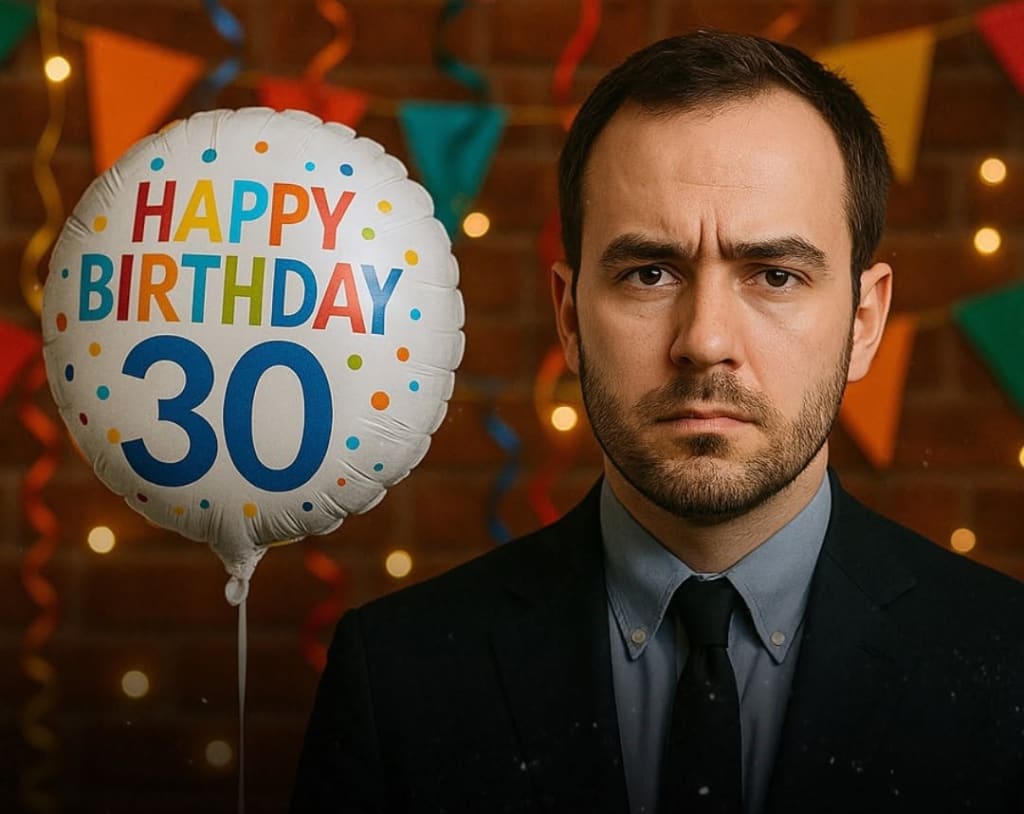
Dr. Evelyn Carter had always believed that by thirty, she would have it all figured out. At eighteen, she imagined her future self as a poised, confident woman—someone who never second-guessed her choices, who navigated life with unshakable certainty. But now, standing in her cramped Cambridge apartment on the eve of her thirtieth birthday, she felt anything but sure.
Her reflection in the mirror showed tired eyes, a furrowed brow. She had spent the last decade chasing stability—degrees, promotions, relationships—yet here she was, still questioning every decision. Was she where she was supposed to be? Did anyone ever truly feel like an adult?
Then, a breakthrough.
As a neuroscientist at the University of Cambridge, Evelyn had spent years studying brain development. But it wasn’t until her team’s latest research was published that the pieces clicked into place. Their findings revealed what she had always sensed but never articulated: the brain doesn’t magically mature at eighteen or twenty-one. The prefrontal cortex—the seat of judgment, impulse control, and emotional regulation—keeps evolving well into a person’s thirties.
We’ve been measuring adulthood all wrong, she realized. It’s not a switch that flips at a certain age. It’s a slow unfolding.
Part One: The Myth of the "Finished" Adult
Evelyn’s research challenged a deeply ingrained societal belief—that adulthood was a fixed destination. She thought of her younger sister, Mara, who at twenty-two was already panicking about "falling behind" in life. Mara had texted her just last week: "I’m supposed to be an adult, but I still feel like a kid pretending."
Evelyn’s findings explained why. The prefrontal cortex, that crucial regulator of decisions and emotions, was still refining its connections. Impulse buys, reckless risks, dramatic heartbreaks—these weren’t just youthful indiscretions. They were symptoms of a brain still learning to navigate the world.
But if the science was clear, why did society insist on treating twenty-one-year-olds as fully formed? Why the pressure to have a career, a mortgage, a life plan by twenty-five?
Part Two: The Pressure to "Arrive"
Evelyn remembered her own quarter-life crisis. At twenty-six, she had watched as friends married, bought homes, and climbed corporate ladders while she was still buried in research papers, eating instant noodles for dinner. She had wondered then: Am I failing at adulthood?
Now, she understood the absurdity of that question. Adulthood wasn’t a race with a finish line. It was a continuous process of growth—one that didn’t adhere to arbitrary deadlines.
Her colleague, Dr. Raj Patel, had once joked, "If brains came with progress bars, we’d all panic at how slow they load." The metaphor stuck with her. Some people’s prefrontal cortices might "buffer" longer than others, and that was okay.
Part Three: Rewriting the Script
Armed with this knowledge, Evelyn began reshaping her own expectations. She stopped comparing herself to others. She allowed herself to change paths, to make mistakes, to admit she didn’t have all the answers.
She also started a public outreach project, giving talks on what neuroscience really said about growing up. Audiences—especially young adults—listened with palpable relief. "You mean I’m not broken for not having my life together yet?" one college student asked.
"No," Evelyn smiled. "You’re just still installing updates."
Epilogue: The Beauty of Becoming
On her thirtieth birthday, Evelyn didn’t wake up transformed. She still doubted sometimes. She still made impulsive choices. But now, she understood: adulthood wasn’t about perfection. It was about progress.
As she blew out her birthday candle, she made a wish—not for certainty, but for the courage to keep growing. Because the human brain, like life itself, was never truly finished.
And that was the most freeing discovery of all.
About the Creator
yousaf shah
Just for humanity I respect and love humanity
Keep reading
More stories from yousaf shah and writers in Lifehack and other communities.
You Can’t Force Love: Stop Chasing Those Who Don’t See Your Worth
Love Shouldn’t Be a Struggle We’ve all been there—trying so hard to make someone love us, care for us, or even just notice us. We give our time, energy, and heart, hoping they’ll finally see how much we’re worth. But the truth is painful yet simple: If they don’t see your value now, they never will.
By yousaf shah11 months ago in Lifehack
Phoenix, Arizona: The City That Learned to Grow With the Desert
When people first arrive in Phoenix, Arizona, the landscape can feel almost surreal. The vast Sonoran Desert stretches outward with towering saguaro cacti, rugged mountains, and wide skies that shift colors dramatically at sunset. At first glance, it seems like an unlikely place for a major metropolitan area.
By House Doctor5 days ago in Lifehack
The mistake that keeps high performers stuck
There is a common assumption many professionals carry throughout their careers. It sounds logical at first. If I work hard, produce great results, and consistently deliver strong performance… eventually I will be recognized and promoted.
By Bahati Mulishiabout 22 hours ago in Lifehack


Comments
There are no comments for this story
Be the first to respond and start the conversation.