
The Ultimate Guide to Meal Prepping: Save Time and Stay Healthy
Mastering Meal Prep: Your Guide to Time-Saving and Health-Boosting Meal Planning
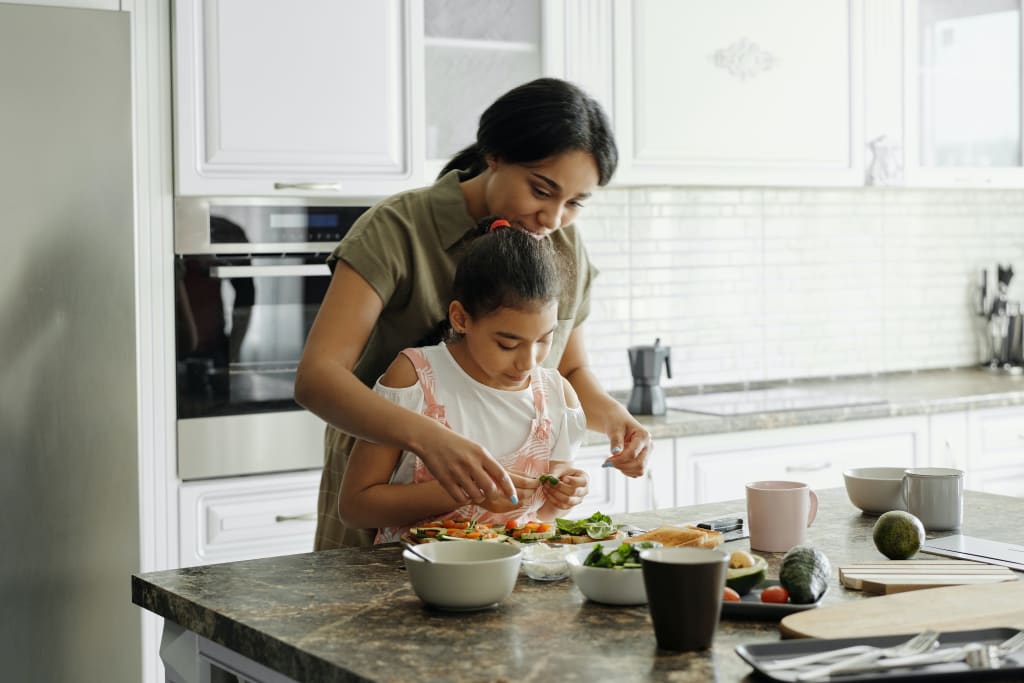
Introduction
Meal prepping has become a popular trend for individuals looking to save time, eat healthy, and maintain a balanced diet amidst busy schedules. By planning and preparing meals in advance, you can take control of your nutrition, reduce reliance on unhealthy fast food options, and ensure that you have wholesome meals ready to enjoy throughout the week. In this ultimate guide to meal prepping, we will explore the benefits, tips, and strategies to help you master the art of meal prepping and achieve your health and time-saving goals.
1. Benefits of Meal Prepping
Meal prepping offers numerous benefits beyond just saving time. It allows you to:
- Maintain a Healthy Diet: By planning and prepping your meals, you have control over the ingredients and portion sizes, making it easier to stick to a balanced and nutritious diet.
- Save Money: Buying ingredients in bulk and cooking at home can be more cost-effective than dining out or ordering takeout regularly.
- Reduce Food Waste: Meal prepping allows you to utilize ingredients efficiently and minimize food waste by portioning out meals and using ingredients before they spoil.
- Save Time: Spending a few hours on meal prepping during the weekend can save you valuable time during busy weekdays, as you won't have to spend time each day planning and cooking meals.
2. Getting Started with Meal Prepping
- Plan Your Meals: Start by creating a meal plan for the week. Consider your dietary goals, preferences, and any dietary restrictions. Plan a variety of recipes to avoid meal fatigue.
- Make a Grocery List: Based on your meal plan, make a comprehensive grocery list. This will help you stay organized and ensure you have all the necessary ingredients on hand.
- Batch Cooking: Choose a day or two during the week to do your batch cooking. Prepare larger quantities of proteins, grains, and vegetables that can be used as building blocks for various meals.
- Invest in Meal Prep Containers: Invest in a set of high-quality, BPA-free, reusable meal prep containers. These containers will help you portion out your meals and keep them fresh throughout the week.
3. Meal Prepping Strategies
- Cook in Bulk: Prepare larger batches of proteins, grains, and roasted or steamed vegetables. These can be used as the foundation for multiple meals throughout the week.
- Portion Control: Use your meal prep containers to portion out individual servings of each meal. This helps you maintain proper portion sizes and prevents overeating.
- Pre-cut and Wash Produce: Wash, peel, and cut fruits and vegetables in advance. This saves time when assembling meals and ensures that fresh produce is readily available.
- Freezer-Friendly Meals: Prepare freezer-friendly meals that can be stored for longer periods. Soups, stews, and casseroles are great options for freezing and enjoying later.
- Mix and Match: Prepping individual components allows you to mix and match ingredients to create different meals throughout the week. Combine proteins, grains, and vegetables in various ways to keep your meals exciting.
4. Quick and Easy Meal Prep Ideas
- Mason Jar Salads: Layer your favorite salad ingredients in mason jars, starting with the dressing at the bottom. When ready to eat, simply shake the jar to distribute the dressing.
- Overnight Oats: Prepare jars of overnight oats by combining oats, milk, and toppings such as fruits, nuts, or seeds. Refrigerate them overnight, and they'll be ready to grab and go in the morning.
- Stir-Fries: Cook a large batch of stir-fried vegetables and protein, and portion them into containers. Pair with cooked quinoa or brown rice for a quick and nutritious meal.
- Roasted Veggie Bowls: Roast a variety of vegetables with olive
oil and spices. Combine them with a source of protein like grilled chicken or tofu and a whole grain for a well-rounded meal.
- Freezer Smoothie Packs: Pre-portion fruits and greens into freezer bags. In the morning, add the contents of the bag, along with liquid, to a blender for a quick and refreshing smoothie.
5. Storing and Reheating Meals
- Refrigeration: Store your prepped meals in the refrigerator for up to four to five days. Make sure to keep perishable ingredients refrigerated to maintain food safety.
- Freezing: If you don't plan to consume a meal within a few days, freeze it for longer storage. Ensure that the containers are freezer-safe and properly labeled with the meal contents and date.
- Reheating: When reheating prepped meals, follow proper food safety guidelines. Use microwave-safe containers or transfer to oven-safe dishes for reheating. Reheat thoroughly to avoid any potential foodborne illnesses.
Conclusion
Meal prepping is a powerful tool for saving time, eating healthy, and staying on track with your nutrition goals. By planning your meals, prepping ingredients, and storing them in portioned containers, you can enjoy delicious and nutritious meals throughout the week without the stress of daily cooking. Embrace the benefits of meal prepping, experiment with different recipes, and discover how this time-saving practice can transform your approach to food and overall well-being.
About the Creator
Keep reading
More stories from Ravi Tyagi and writers in Lifehack and other communities.
The Power of Positive Thinking: How Optimism Can Improve Your Health
Introduction Positive thinking is more than just a state of mind; it has a profound impact on our overall well-being. The way we perceive and interpret the world around us can influence our mental, emotional, and even physical health. Research suggests that adopting an optimistic outlook can have numerous benefits, ranging from reducing stress and improving mental health to enhancing immune function and promoting longevity. In this article, we will explore the power of positive thinking and how cultivating optimism can lead to a healthier and happier life.
By Ravi Tyagi3 years ago in Lifehack
Movers in Minneapolis: What to Know Before Relocating to the Twin Cities
Minneapolis is a city that consistently attracts new residents thanks to its high quality of life, strong job market, and thoughtful urban design. Known as one half of the Twin Cities, Minneapolis blends modern infrastructure with abundant green spaces, creating a lifestyle that feels both active and grounded. For people planning a move—whether from another state or from within Minnesota—understanding how moving works in Minneapolis can make the transition far smoother.
By House Doctorabout 14 hours ago in Lifehack



Comments
There are no comments for this story
Be the first to respond and start the conversation.