
The Ultimate Guide to Healing Comfortably After Sedation Dentistry
Dream Dental Services

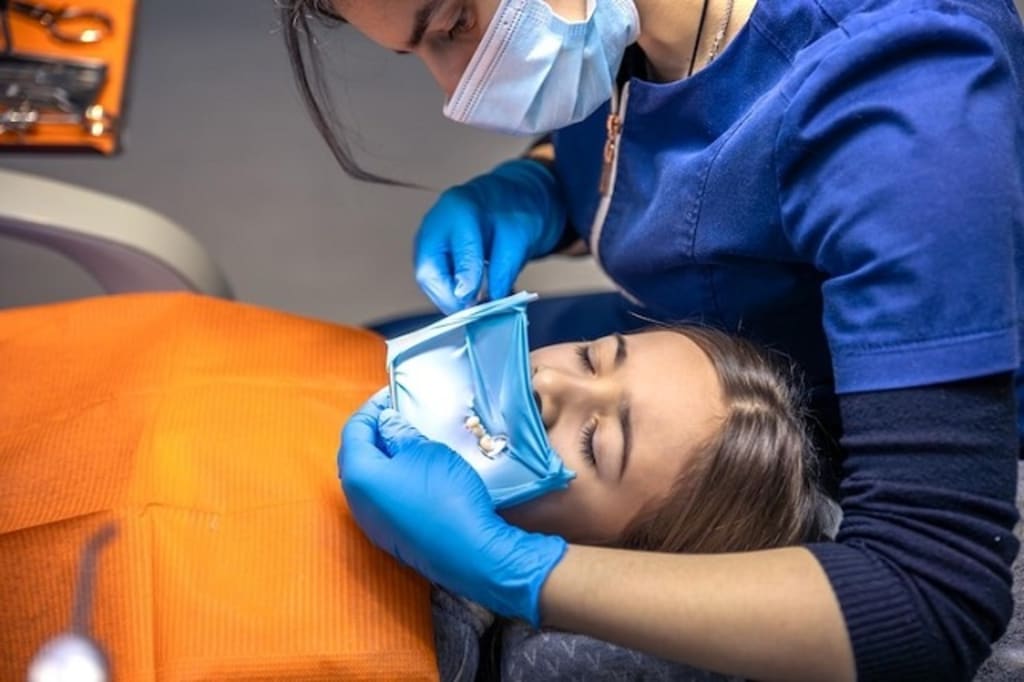
For many people, visiting the dentist can trigger intense anxiety. This is why sedation dentistry has become an increasingly popular solution—it allows patients to undergo dental procedures while remaining calm, relaxed, and free from discomfort. Whether undergoing a routine cleaning or a more complex procedure, sedation methods like oral sedatives, IV sedation, or nitrous oxide can help reduce stress and create a smoother experience. Finding a trusted dentist specializing in sedation dentistry in Altamonte Springs is the first step in ensuring a safe and comfortable visit. But once the procedure is complete, proper recovery is as important as the treatment.
What to Expect Right After Sedation
The type of sedation used during your dental procedure plays a key role in how you’ll feel post-treatment. With mild forms, such as nitrous oxide (laughing gas), recovery is quick, often occurring within minutes after the gas is turned off. However, deeper forms of sedation, such as oral sedatives or IV sedation, may leave you feeling groggy or disoriented for several hours. It’s common to feel sleepy, experience blurred vision, or have mild memory lapses after these procedures. These effects are temporary, but following your dentist's instructions carefully is essential for a smooth recovery.
You will need someone to accompany you to and from your appointment, especially if moderate or deep sedation is involved. Driving under the influence of sedation—even if you feel “fine”—is not safe or legal.
Step-by-Step Recovery Guide
1. Rest Is Key
After sedation dentistry, your body needs time to process the sedatives and fully regain alertness. Plan to rest for the remainder of the day. Avoid operating machinery, making important decisions, or engaging in strenuous activities for at least 24 hours. Rest in a quiet, comfortable environment to allow your body to recover naturally.
2. Stay Hydrated and Eat Light
Sedation can sometimes cause nausea or a dry mouth. To help your body detox and feel better, drink plenty of water and opt for easy-to-digest foods like soup, yogurt, applesauce, or crackers. Avoid heavy, spicy, or greasy meals until you’re sure your stomach has settled.
3. Monitor for Side Effects
While side effects are usually mild and short-lived, you should know what’s normal and what’s not. Drowsiness, dry mouth, and lightheadedness are expected. However, if you experience vomiting, a fever, prolonged confusion, or difficulty breathing, contact your dental office or seek medical attention immediately.
4. Follow Aftercare Instructions
Depending on your dental procedure, your recovery may involve more than just sedation aftercare. For example, if you had a tooth extraction or gum treatment, your top-rated Altamonte Springs dentist may provide specific post-procedure guidelines regarding oral hygiene, pain management, and activity restrictions. Following these instructions carefully is essential for avoiding infection and promoting healing.
5. Arrange for Support if Needed
If you're responsible for children, pets, or household responsibilities, arrange for help on the day of your appointment. Having a friend or family member check in on you can also offer peace of mind, especially if you’re still feeling the lingering effects of the sedation.
When to Resume Normal Activities
Most patients can resume light activities by the next day, especially if their sedation was minimal. However, those who underwent deep sedation or had complex dental procedures should take an additional 24–48 hours to recover fully. Always listen to your body—if you’re still feeling tired or foggy, it’s best to take it slow and ease back into your routine.
Conclusion
Recovering from sedation dentistry doesn’t have to be stressful. With the right preparation and attention to post-care, you can enjoy a comfortable and hassle-free healing process. Sedation offers a way for anxious patients to receive the dental care they need without fear, and by following a few simple recovery steps, you feel like yourself in no time. Always communicate openly with your dentist before and after your procedure to ensure the best possible experience and outcome.
About the Creator
Mandeep Singh
A Technical Content Strategist at Fix My Home Guide.
Keep reading
More stories from Mandeep Singh and writers in Lifehack and other communities.
Are Implant Dentures Right for You?
Tooth loss can be a life-changing experience, impacting not only your appearance but also your ability to eat, speak, and smile with confidence. While traditional dentures have long been a solution, they often come with challenges like slipping, discomfort, and dietary limitations. If you're looking for a more stable, comfortable, and long-lasting option, implant dentures in Tampa may be the solution you've been searching for.
By Mandeep Singh10 months ago in Lifehack
SEO Mentor Nestor Vazquez and a Different Way of Understanding Search
In many discussions about digital marketing, search engine optimization is often presented as a technical discipline. Articles tend to focus on rankings, backlinks, analytics dashboards, and algorithm updates. While these elements are certainly part of the field, they do not fully explain how people actually learn to understand search.
By House Doctor5 days ago in Lifehack


Comments
There are no comments for this story
Be the first to respond and start the conversation.