
The Ultimate Guide to Engine Cleaning
Tips and Tricks to Keep Your Car Running Smoothly

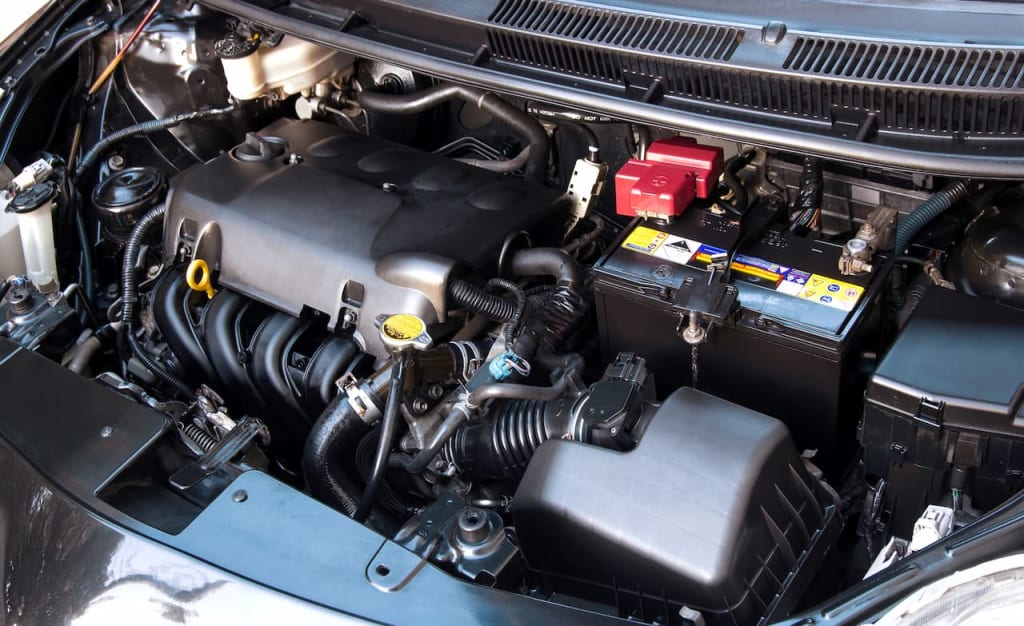
For your car to remain in good condition and last a long time, the engine needs to be kept clean. Nevertheless, a lot of automobile owners neglect to perform this important auto maintenance task. Reduced performance, decreased fuel efficiency, and even possible engine damage are all consequences of a dirty engine. In this article, we'll look more closely at the best methods for maintaining the efficiency of your car's engine.
Why Clean Your Car Engine?
The heat produced during combustion and the dirt and filth that build up over time put a lot of strain on the engine of your car. Maintaining a clean engine can help avoid these problems and increase the lifespan of your car.
Here are a few of the main justifications for cleaning your car's engine:
Improved performance: A clean engine can perform better, as dirt and debris can interfere with the engine's operation.
Increased fuel efficiency: When your engine is clean, it can run more efficiently, which can help you save money on gas.
Reduced emissions: A clean engine can produce fewer emissions, which is better for the environment.
Prevent potential damage: Dirt and grime can cause damage to your engine over time, so cleaning it regularly can help prevent costly repairs down the line.
How to Clean Your Car Engine:
Now that you are aware of how crucial engine maintenance is, let's look at the best way to clean your car's engine. For the best outcomes, adhere to these steps:
Step 1: Preparation
You must gather your cleaning supplies before you can begin cleaning your engine. What you'll need is as follows:
Engine degreaser: This is a specialized cleaner designed to remove dirt, oil, and grime from your engine.
Water: You'll need plenty of water to rinse off the degreaser and any remaining dirt and debris.
Soft-bristled brush: A soft-bristled brush can help you scrub away dirt and grime without damaging your engine's components.
Plastic bags: Use plastic bags to cover sensitive electrical components, such as your alternator and battery, to protect them from water damage.
Step 2: Let the Engine Cool Down
It's important to let your engine cool down before you start cleaning it. A hot engine can cause the degreaser to evaporate too quickly, reducing its effectiveness. We recommend waiting at least 30 minutes after driving before you start cleaning your engine.
Step 3: Apply the Engine Degreaser
Spray the engine degreaser over the entire engine, making sure to cover all areas of dirt and grime. Let the degreaser sit for a few minutes to allow it to penetrate the dirt and grime.
Step 4: Scrub the Engine
Use a soft-bristled brush to scrub away any remaining dirt and grime. Be sure to focus on areas with heavy buildup, such as around the oil cap and valve covers.
Step 5: Rinse the Engine
Use a hose or pressure washer to rinse off the degreaser and any remaining dirt and grime. Be sure to rinse thoroughly to avoid leaving any residue.
Step 6: Dry the Engine
Use a clean towel or air compressor to dry the engine. Make sure to remove any water from sensitive electrical components.
Step 7: Start Your Engine
Once your engine is dry, start it up and let it run for a few minutes to ensure everything is working properly.
Conclusion:
Cleaning your car's engine may seem like a daunting task, but it's an essential part of maintaining your vehicle's overall health and performance. By following these steps, you can keep your engine running smoothly and avoid costly repairs down the line. Remember to always take the necessary safety precautions and use the
About the Creator
George Benson
Meet George Benson, a passionate and skilled writer with a knack for crafting engaging and insightful content that resonates with readers.
Keep reading
More stories from George Benson and writers in Lifehack and other communities.
How to Charge an Electric Car at Home
Since individuals have started to care more about the environment and their carbon impact, electric automobiles have grown in popularity. Yet how potential owners will charge their electric cars at home is one of their key worries. In this post, we'll walk you through the process of charging an electric car at home and offer some advice on how to do it more quickly.
By George Benson3 years ago in Lifehack
If You’ve Always Done What You’ve Always Done
At the start of 2025, I started to post articles on my website under the category of ’52 Guiding Lights.' The goal was to share insights on sayings and idioms that aid daily life. I got up to number 16. The goal is to publish these as a management aid. However, we plan to release them in smaller batches, such as 12 at a time. That’s a year’s worth.
By Calvin London6 days ago in Lifehack
Five—One Grounding
Five—Locked in a perpetual battle against my failing senses and reason, I fight to survive, to get through; I am afraid of... nothingandeverythingallatonce—...—my mouth is dry, and my muscles seize up... what can I see? I can see the birdcage and birds; I can see the watercolour my beautiful wife painted many years ago and unlocked her journey into art; I can see the empty mug of tea as it sits perilously on the arm of the sofa; how many is that now? Three down, two to go; I can also see a jackdaw on the roof of our neighbour's house across the road and a bookcase of potential—Five things you can see.
By Paul Stewart5 days ago in Poets




Comments
There are no comments for this story
Be the first to respond and start the conversation.