
The U.S. TikTok Ban: Unpacking the Decision, Reactions, and Future Implications
The U.S. TikTok Ban

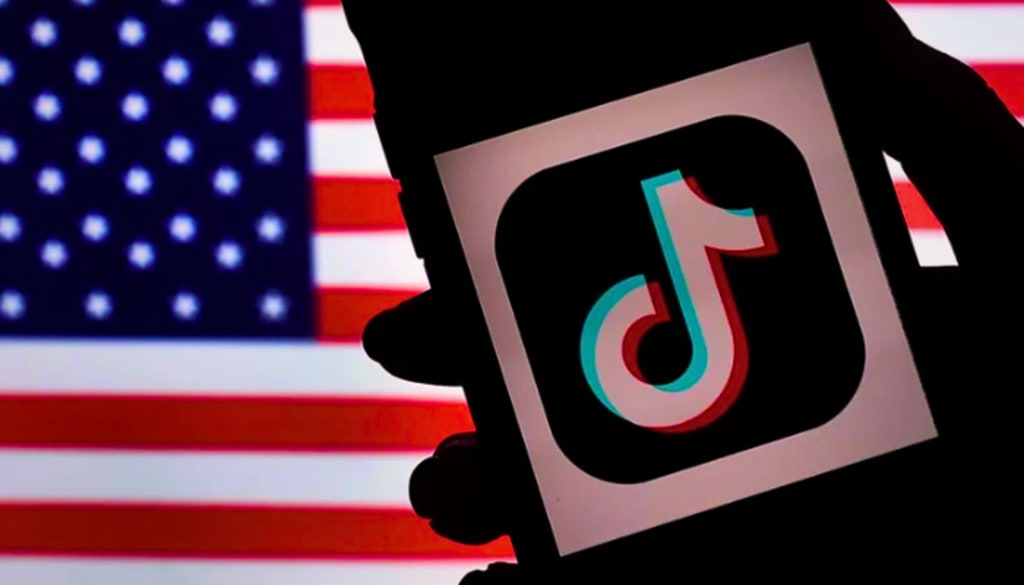
On January 19, 2025, the United States banned TikTok across the country, a move that has heightened national security and data privacy concerns to a new level. The ban has sparked intense debate, and the implications of the move are not only for users and businesses but also for the wider tech industry. Here's the reasoning behind the ban, immediate effects, and the way forward.
The Backstory: Why Ban TikTok?
The fears are that the parent company of TikTok, ByteDance, might be compelled by Chinese authorities to hand over user data or even to manipulate content to serve political or propaganda purposes. The concerns are further compounded by the fact that TikTok boasts an enormous number of users; in the United States alone, there are over 150 million, and most of them are minors.
The legislative journey to the ban began in early 2024, when Congress passed a law forcing TikTok to disentangle from ByteDance within 270 days. Ultimately, TikTok's efforts to challenge this mandate on First Amendment grounds were unfruitful. The Supreme Court's unanimous ruling to uphold the ban was made with emphasis on the potential national security risks and sealed the app's fate in the U.S.
Impact in the Short Run on Users and Businesses
It is being implemented quite hastily and definitively. All leading tech giants have removed the TikTok application from their stores to prevent downloading as well as updation by any new users and existing ones reported service discontinuation with a notification that the service is unavailable; cloud services along with hosting firms have stopped serving the service of TikTok completely.
Casual users aside, the ripples of the ban affect influencers and businesses that relied on TikTok for income and marketing. Influencers like Livvy Dunne, with millions of followers, have spoken out, even jokingly threatening to leave for platforms like LinkedIn. Other celebrities, such as Kourtney Kardashian and Lizzo, published farewell posts, mourning the loss of a platform that had become an integral part of their personal brands and outreach.
Seeking Alternatives
As TikTok's U.S. presence fades, users are flocking to other apps such as RedNote, Clapper, Flip, and Lemon8. These applications have gained massive downloads as people seek new outlets for sharing content and reaching their audiences. But experts say these alternatives may also pose their own risks, such as vulnerabilities to cyberattacks and data breaches.
Many companies are exploring alternative channels of access to the consumer market and many companies pivot towards Instagram Reels, YouTube Shorts, and emerging platforms. It underscores a growing need for social media diversification, especially among those who became overly reliant on TikTok.
Political and Legal Dynamics
President-elect Donald Trump has expressed a desire to reverse the ban upon taking office. While an executive order could instruct federal agencies to halt enforcement, legal experts note that such an order cannot override existing legislation upheld by the Supreme Court. The Department of Justice retains discretion in enforcement, but companies that defy the ban risk significant fines and other legal consequences.
The ban has also spurred the debate over a broader regulatory framework on foreign-owned tech companies in the U.S. Policymakers are struggling to balance national security concerns with the imperative to innovate and collaborate on a global level.
Challenges in circumventing the ban
Several have tried to evade the ban by hiding behind Virtual Private Networks (VPNs) to change their locations. TikTok has, however managed to ensure that some access points are blocked, which means they can't be accessed through accounts associated with the U.S. Such measures have been seen in other places such as Hong Kong as it enforced similar kinds of restrictions.
Broader Implications and Future Outlook
The TikTok ban is yet another example of the growing tension between the U.S. and China over technology and data governance. It also points to increasing scrutiny on social media platforms and their role in society. Although the ban has disrupted millions of users and businesses, it has also prompted a reevaluation of digital habits and dependencies.
The U.S. ban, in particular, represents a huge blow to the company's global operations. It remains to be seen how well TikTok navigates these issues as it defines its future trajectory and how it could influence similar responses from other technology companies to their concerns.
Conversely, the debate has opened the broader discussion of data privacy, the accountability of social media, and the appropriate extent of government intervention in digital markets.
This moment with the ban on TikTok marks a significant crossing point of technology, politics, and national security in the U.S. Although it is hard to predict its long-term impacts, the ban already has drastically reshaped the landscape of social media and provoked many critical questions around the need to balance innovation with security. With time, this reality will only intensify among policymakers, stakeholders, and even ordinary users who should be guided towards transparency, resilience, and adaptability.
About the Creator
Golu Kumar
Golu Kumar is a skilled content writer specializing in creating engaging, informative, and high-quality written materials. With a keen eye for detail and a passion for storytelling.
Keep reading
More stories from Golu Kumar and writers in Lifehack and other communities.
Can Pregnancy Shrink a Woman's Brain? Exploring New Research on Maternal Brain Changes
Recent scientific studies have provided some interesting insights into the changes a woman's brain undergoes during pregnancy and postpartum. A recent groundbreaking study conducted by the University of California, Santa Barbara, published in Nature Neuroscience, showed how pregnancy leads to structural and functional changes in the brain, especially in areas linked to social cognition and emotional regulation. These findings not only help us understand the nuances of maternal behavior but also open avenues for addressing conditions like postpartum depression.
By Golu Kumarabout a year ago in Lifehack



Comments
There are no comments for this story
Be the first to respond and start the conversation.