
Can Pregnancy Shrink a Woman's Brain? Exploring New Research on Maternal Brain Changes
Can Pregnancy Shrink a Woman's Brain

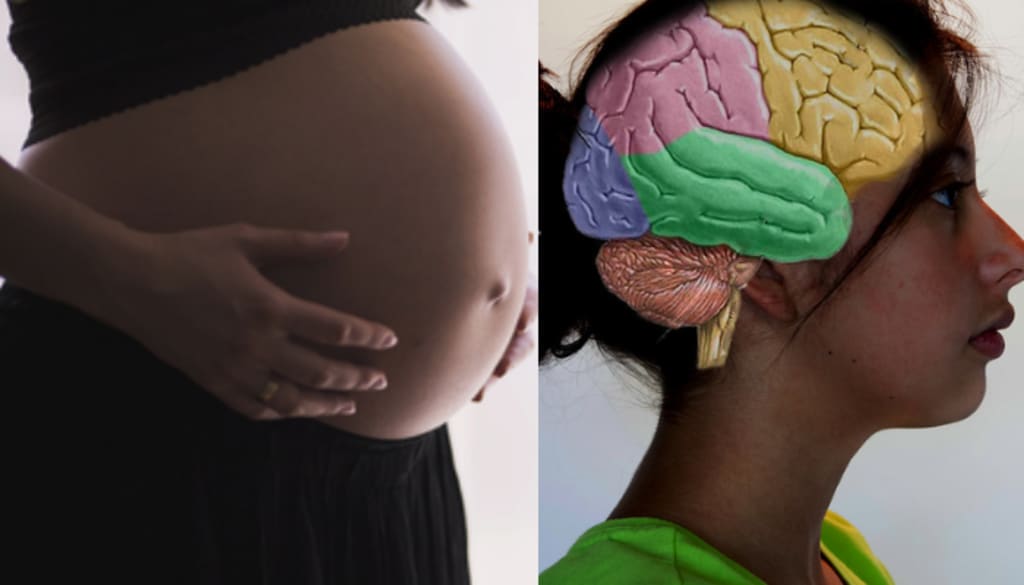
Recent scientific studies have provided some interesting insights into the changes a woman's brain undergoes during pregnancy and postpartum. A recent groundbreaking study conducted by the University of California, Santa Barbara, published in Nature Neuroscience, showed how pregnancy leads to structural and functional changes in the brain, especially in areas linked to social cognition and emotional regulation. These findings not only help us understand the nuances of maternal behavior but also open avenues for addressing conditions like postpartum depression.
Key Findings: Gray Matter Reduction
The study, with 26 MRI scans of a 38-year-old first-time mother from pre-conception to two years postpartum, found a marked decrease in gray matter volume, about 4%, during pregnancy. Gray matter is the part of the brain responsible for processing information, decision-making, and social interactions. This decrease was particularly noted in brain regions associated with social cognition, such as the prefrontal cortex and the temporal lobe.
Although this would mean a decrease in brain volume, researchers feel that it is an adaptive mechanism. It favors those areas that are most important for caregiving; thus, it makes a mother more efficient at processing social signals, interpreting the needs of her baby, and creating a powerful emotional bond. These changes therefore highlight the biological preparedness for motherhood, which will enable women to respond better to their infants.
White Matter Integrity: Strengthening Neural Connections
The study further indicated increases in white matter integrity over the first two trimesters of gestation, alongside gray matter changes. White matter consists of brain communication networks; therefore, signaling between the regions would be quite efficient. Enhanced connections during pregnancy are reflective of neural efficiency and can well support the high cognitive demands brought about by motherhood.
Interestingly, gray matter volume, on the other hand, partially recovered after child birth, whereas white matter integrity normalized by end of postpartum period. The dynamic interplay between gray and white matter, therefore, underscores the extreme adaptability of the brain.
Persistence of Changes: Till Two Years Postpartum
What seems to be dramatically revealed is their long duration; some areas with brain recovery for grey matter volumes would persist until a couple of years after the births. The remaining and persistent alterations that may mirror all the continuous postpartum periods of a lady's demand might refer to long-duration effects from becoming mothers.
The Darwinian Viewpoint
These changes are advantageous adaptations from an evolutionary perspective. They fine-tune the architecture of the brain to better allow mothers to recognize and respond to the cues of their infants, promoting survival and development. This is in line with the general understanding of "maternal brain" changes across mammalian species, indicating a profound biological basis.
Implications for Maternal Mental Health
Understanding these brain transformations is not just a matter of academic interest; it has significant implications for maternal mental health. Conditions like postpartum depression and pre-eclampsia may be linked to disruptions in these adaptive processes. By studying the underlying neural mechanisms, researchers can identify biomarkers for early detection and develop targeted interventions.
In addition, societal myths about "pregnancy brain" or "mom brain," which are often considered cognitive decline, may need to be rethought. These changes are less about deficits and more about specialized restructuring, enhancing a mother's caregiving abilities.
Practical Takeaways
- Support for Mothers: Understanding that these changes are natural and beneficial can help reduce stigma and foster empathy for new mothers navigating cognitive and emotional adjustments.
- Health care Interventions: Findings for Health care professionals, developing supportive interventions and early intervention measures for risk-prone postpartum experiences.
- Work place policies: Maternity flexible policies. With these shifts, the mind works in an unpredictable way with cognitions, leading to emotions; the same has been true for many who have motherhood.
Road ahead: Unsolved Questions
Although this is great progress, several questions remain unanswered. For instance, are there differences between the first-time and experienced mothers regarding these brain changes? Do such changes differ due to differences in age, health, or culture? That can only be established through more representative, large-sized studies.
The changes that occur in the maternal brain with respect to hormonal fluctuations, sleep deprivation, and environmental factors need further exploration. Once these gaps are filled, more light will be shed on the maternal brain and its implications on both mother and child.
Conclusion
Pregnancy is a journey of change, not only in the body but also neurologically. This study's findings underscore the complexity of gray and white matter changes and the adaptability of the brain to the needs of motherhood. In contrast to a decline, these changes represent an evolution of cognitive and emotional capacities, underlining the deep biological investment in caregiving.
As research continues to unravel the mysteries of the maternal brain, hopes are that this insight will be translated into better support systems, healthcare strategies, and societal understanding in the future for the betterment of mothers and their children.
About the Creator
Golu Kumar
Golu Kumar is a skilled content writer specializing in creating engaging, informative, and high-quality written materials. With a keen eye for detail and a passion for storytelling.
Keep reading
More stories from Golu Kumar and writers in Lifehack and other communities.
Instagram introduces three-minute long reels, and rectangular profile grid.
Instagram — one of the most popular social media networks currently available — announced a pair of big updates that promise to drastically change how users interact with the platform: Three-minute Reels and profile grids without the traditional square setting. These updates underscore Instagram's dedication to keeping pace in the competitive social media arena, particularly as it responds to evolving audience preferences and international trends.
By Golu Kumarabout a year ago in Lifehack
Being Human Is Heavy
No one tells you that being human comes with a weight you cannot put down. Not when you’re born, not when you learn to walk, not even when you learn to love. It arrives quietly, accumulating over years, stacking itself in invisible layers until one day you wake up tired for no clear reason. You blame sleep. You blame work. You blame age. But the truth is simpler and harder: being human is heavy.
By LUNA EDITH5 days ago in Lifehack
How To Select Expert Hospitality Advisors for A Successful Hotel Launch in Dubai
Starting a hotel project in Dubai is quite an exciting step that requires a certain level of planning smart as well as expert guidance. With strong competition, guest expectations being high, and strict regulations, choosing the right hospitality consultant to guide you through such an endeavour can shape your success. From early planning to daily operations, consultants share practical knowledge that helps turn your ideas into a working hotel. This guide shows you how to choose the right hospitality consultants in Dubai and make smart decisions that support a successful and profitable project.
By Claudia Fennel3 days ago in Lifehack




Comments
There are no comments for this story
Be the first to respond and start the conversation.