
The Transformative Power of Charity
The Transformative Power of Charity: Shaping a Better World

In an increasingly interconnected world, the concept of charity stands as a beacon of hope, compassion, and human solidarity. Far more than mere financial transactions or sporadic acts of kindness, charity represents a fundamental aspect of our shared humanity and a powerful force for positive change. This article delves into the multifaceted nature of charity, exploring its historical roots, contemporary manifestations, and the profound impact it continues to have on individuals, communities, and society at large.
Understanding Charity
At its core, charity is the voluntary giving of help to those in need. It encompasses a wide range of activities, from monetary donations and volunteering time to offering skills, resources, or emotional support. The concept of charity is deeply rooted in various cultural, religious, and philosophical traditions worldwide, often seen as a moral imperative and a means of fostering social cohesion.
The word "charity" itself derives from the Latin "caritas," meaning love for all. This etymology highlights the fundamental principle underlying charitable acts: a sense of care and concern for others, regardless of their background or circumstances. In many ways, charity represents the practical application of empathy and compassion in our daily lives.
Historical Perspective
The practice of charity has a rich history dating back to ancient civilizations. In ancient Greece and Rome, philanthropia (love of mankind) and humanitas (human nature, civilization) were considered virtues of the highest order. Many world religions, including Christianity, Islam, Judaism, Hinduism, and Buddhism, emphasize the importance of charitable giving as a spiritual and moral duty.
During the Middle Ages, religious institutions played a crucial role in organizing and providing charitable services, establishing hospitals, orphanages, and almshouses. The Renaissance and Enlightenment periods saw the emergence of more secular forms of charity, with wealthy individuals and emerging nation-states taking on greater responsibility for social welfare.
The Industrial Revolution and subsequent urbanization brought new social challenges, leading to the formation of numerous charitable organizations addressing issues such as poverty, education, and public health. The 19th and 20th centuries witnessed the professionalization of charity work and the rise of large-scale philanthropic foundations, setting the stage for the diverse and complex charitable landscape we see today.
The Modern Charitable Landscape
In the 21st century, charity has evolved into a dynamic and multifaceted sector, encompassing a wide array of organizations, methodologies, and focus areas. Modern charitable efforts range from grassroots community initiatives to global non-governmental organizations (NGOs) tackling issues like poverty, disease, environmental conservation, and human rights.
Key components of the modern charitable landscape include:
1. Non-profit Organizations: These entities, also known as charities or NGOs, operate independently of government and business interests to address specific social, environmental, or cultural issues.
2. Corporate Social Responsibility (CSR): Many businesses now incorporate charitable giving and social impact initiatives into their operations, recognizing the importance of contributing to societal well-being.
3. Individual Philanthropy: From small personal donations to large-scale giving by high-net-worth individuals, personal philanthropy continues to play a crucial role in supporting charitable causes.
4. Government Partnerships: Increasingly, charitable organizations work in partnership with governmental bodies to address social issues and deliver services more effectively.
5. Social Enterprises: These hybrid organizations blend business models with charitable missions, aiming to achieve financial sustainability while creating positive social impact.
6. Digital Platforms: The internet and social media have revolutionized charitable giving, enabling crowdfunding, peer-to-peer fundraising, and direct engagement between donors and beneficiaries.
The Impact of Charity
The effects of charitable giving and action ripple through society, creating positive change on multiple levels:
Individual Level: For recipients, charity can provide essential resources, opportunities, and support during times of need. For donors and volunteers, engaging in charitable activities often brings a sense of purpose, satisfaction, and improved mental well-being.
Community Level: Charitable initiatives strengthen community bonds, foster social cohesion, and address local needs that might otherwise go unmet. They can also empower communities to become more self-reliant and resilient.
Societal Level: On a broader scale, charity plays a crucial role in addressing systemic issues, filling gaps in public services, and driving social innovation. It can influence policy changes, raise awareness about important causes, and catalyze large-scale social movements.
Global Level: International charitable efforts contribute to addressing global challenges such as poverty, disease, and environmental degradation. They also promote cross-cultural understanding and global solidarity.
Challenges and Criticisms
Despite its many positive aspects, the concept and practice of charity face several challenges and criticisms:
1. Effectiveness and Accountability: Questions often arise about the efficiency and impact of charitable organizations, with calls for greater transparency and measurable outcomes.
2. Sustainability: Critics argue that some forms of charity create dependency rather than fostering long-term solutions and self-sufficiency.
3. Power Dynamics: There are concerns about the potential for charitable giving to reinforce unequal power relationships between donors and recipients.
4. Motivation: The motives behind charitable giving, particularly from corporations and wealthy individuals, are sometimes questioned, with suspicions of tax benefits or public relations being the primary drivers.
5. Scope and Scale: While charity can address immediate needs, some argue that it is insufficient to tackle large-scale, systemic issues that require policy changes and structural reforms.
6. Coordination: The sheer number of charitable organizations can lead to duplication of efforts and inefficiencies in resource allocation.
Evolving Approaches to Charity
In response to these challenges, the charitable sector continues to evolve, adopting new strategies and philosophies:
1. Evidence-Based Giving: Increasing emphasis on data-driven decision-making and impact measurement to ensure resources are used most effectively.
2. Participatory Approaches: Greater involvement of beneficiaries in program design and implementation, promoting empowerment and local ownership.
3. Systems Change: Focus on addressing root causes of social issues rather than just treating symptoms, often through advocacy and policy work.
4. Collaboration: Increased partnerships between charitable organizations, businesses, and governments to leverage resources and expertise.
5. Innovation in Fundraising: Utilizing technology and behavioral insights to develop new, more engaging ways of attracting support.
6. Ethical Considerations: Growing awareness of the need for ethical practices in all aspects of charitable work, from fundraising to program delivery.
The Future of Charity
As we look to the future, several trends are likely to shape the evolution of charity:
1. Technology Integration: Continued leveraging of digital platforms, artificial intelligence, and blockchain technology to enhance efficiency, transparency, and global reach.
2. Focus on Climate Change: Increasing charitable efforts directed towards environmental conservation and climate change mitigation and adaptation.
3. Localization: Greater emphasis on supporting local, community-led initiatives while maintaining global perspectives.
4. Intersectionality: Recognition of the interconnected nature of social issues, leading to more holistic, cross-sector approaches.
5. Next-Generation Philanthropy: The rising influence of younger donors with different priorities and approaches to giving.
6. Blended Finance Models: Innovative funding mechanisms that combine philanthropic, public, and private capital to address social challenges.
Conclusion
Charity, in its myriad forms, continues to play a vital role in our world. It serves as a powerful expression of our shared humanity, a catalyst for social progress, and a means of addressing critical needs that might otherwise go unmet. While challenges and criticisms persist, the charitable sector's capacity for self-reflection and adaptation suggests a promising future.
As we navigate the complexities of the 21st century, charity remains an essential tool for building a more equitable, compassionate, and sustainable world. It reminds us of our interconnectedness and our collective responsibility to care for one another and our planet. Whether through small acts of kindness or large-scale philanthropic initiatives, each charitable action contributes to a tapestry of positive change.
The power of charity lies not just in its ability to meet immediate needs but in its potential to inspire, educate, and transform both individuals and societies. As we continue to face global challenges, from poverty and inequality to climate change and public health crises, the spirit of charity – rooted in love, compassion, and shared humanity – will undoubtedly play a crucial role in shaping our collective future.
In embracing and evolving our approaches to charity, we have the opportunity to create a world where generosity, empathy, and mutual support are not just ideals but fundamental aspects of our daily lives and societal structures. As we move forward, let us recognize the transformative power of charity and strive to harness its potential for the betterment of all.
About the Creator
Keep reading
More stories from AKANJI ABDULAFEEZ and writers in Lifehack and other communities.
Integrity
In today's fast-paced and often cutthroat world, the concept of integrity can sometimes feel like a relic of a bygone era. Yet, integrity remains one of the most crucial qualities for personal and professional success. Far from being outdated, integrity is more important than ever in our interconnected global society where reputation and trust are paramount.
By AKANJI ABDULAFEEZabout a year ago in Lifehack
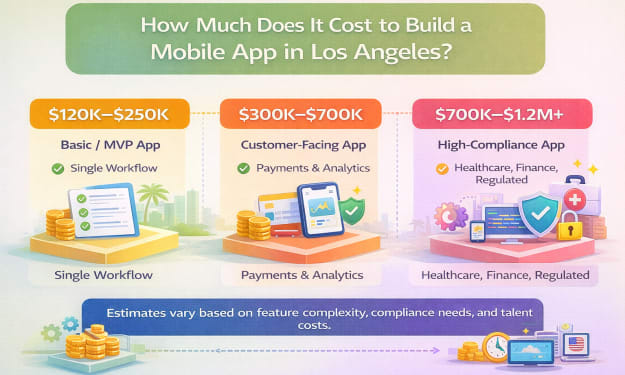
How Much Does It Cost to Build a Mobile App in Los Angeles?
The first number always comes too fast. It usually appears in an email or on a slide during an early call. A range. Sometimes even a single figure. It feels reassuring because it gives leadership something concrete to react to. Yet almost every experienced product owner in Los Angeles learns the same lesson eventually. The number they remember at kickoff is not the number that defines the project.
By Mary L. Rodriquez7 days ago in Lifehack
How I Reclaimed 5 Hours a Week by Automating Image Descriptions
We live in a visual world. Whether I am writing a blog post, updating a portfolio, or managing social media content, I deal with dozens of images daily. But there has always been a hidden time-killer in my workflow: the need to turn those visuals into text.
By Thomas Vance6 days ago in Lifehack
Center Stage with Gina C.
*** I'm keen to republish the interviews I did for my series with Vocal creators. It's been a few years and I thought it might be nice to revisit these wonderful conversations. I'll be releasing them one at a time for a few weeks/months.
By Heather Hubler7 days ago in Interview



Comments
There are no comments for this story
Be the first to respond and start the conversation.