
The Skin-Deep Warning Signs: How Your Liver Talks Through Your Skin
Unveiling the Hidden Symptoms of Liver Disease That Manifest on Your Skin – What to Watch For and How to Protect Your Health

Today, we're diving into a vital topic that could not only enhance your well-being but potentially save your life – especially when it comes to your liver. The liver is a powerhouse organ that performs a range of essential functions, from detoxifying your blood to aiding digestion. However, when it’s struggling, it might start sending out warning signs through the most visible organ you have – your skin. Yes, that’s right! Your skin might be revealing clues about your liver's health, and it’s crucial to pay attention to these signs.
Before we delve into the details, I want to remind you that the information shared here is for your knowledge and well-being. Keeping informed about your body’s signals can be the first step in preventing serious health issues. So, let’s get into it!
Understanding the Liver’s Role in Your Body
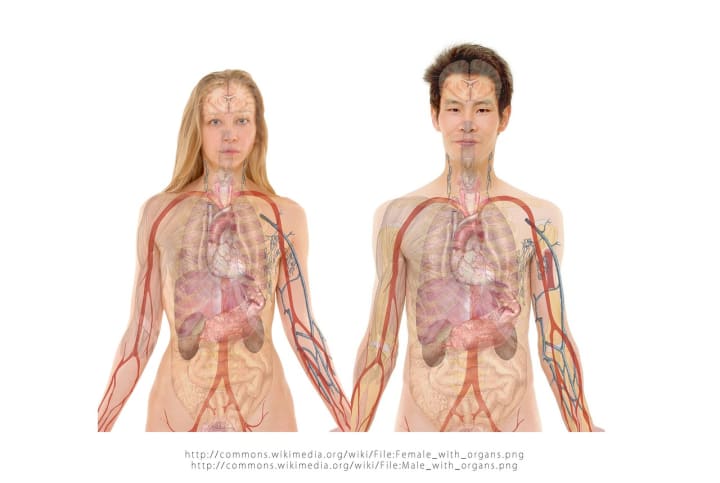
The liver is not just sitting there; it's constantly at work, filtering toxins, producing bile for digestion, storing energy, and processing nutrients. It’s one of the most resilient organs in the body, capable of regenerating itself after damage. However, when the liver is under stress or dealing with disease, it can manifest symptoms that are visible on your skin.
Jaundice: The Yellowing of Skin and Eyes
One of the most well-known signs of liver issues is jaundice, where your skin and the whites of your eyes develop a yellowish tint. This happens because of an excess of bilirubin, a yellow pigment that your liver typically processes. When your liver is not functioning properly, bilirubin builds up in the blood, leading to this yellowish discoloration. Jaundice is a clear indicator that something is amiss with your liver, and it should not be ignored.
Pruritus: The Unbearable Itch
Another sign of liver problems that shows up on your skin is pruritus, or severe itching. Unlike the itchiness caused by external factors like allergies or fabrics, this type of itching is often widespread and persistent. The reason behind this discomfort is the accumulation of bile salts in the skin, which occurs when the liver isn’t effectively filtering toxins from the blood. This symptom can drive you to distraction and may be one of the earliest indicators of liver disease.
Spider Angiomas: Small Red Flags on Your Skin
Spider angiomas are another skin manifestation linked to liver issues. These are small, spider-like blood vessels that appear just below the skin’s surface, often on the face, neck, and upper body. While they can be harmless, an increase in their number can signal liver disease, particularly if you notice them appearing suddenly.
Palmar Erythema: Reddened Palms
If you notice that the palms of your hands are turning red, particularly in a blotchy pattern, you could be experiencing palmar erythema. This condition is often associated with liver cirrhosis or chronic liver disease. The redness can be accompanied by a warm sensation and should prompt you to consult a healthcare provider, as it could be a sign of an underlying liver issue.
Terry’s Nails: The Changing Appearance of Your Nails
Your nails can also provide clues about your liver health. Terry’s nails is a condition where the nails appear mostly white with a narrow band of pink or dark coloration at the tips. While this can sometimes be a normal part of aging, it’s also associated with liver disease, and changes in your nails should be checked by a doctor.
Easy Bruising: When Your Skin Takes a Hit
If you find yourself bruising easily, even from minor bumps, it might be a sign that your liver is not producing enough of the proteins needed for blood clotting. This symptom is common in individuals with liver cirrhosis and other liver disorders. It’s important to take note of this and consider it in the context of other symptoms.
Spider Veins and Clubbed Fingers: Visible Signs of Internal Issues
Spider veins, those small, damaged veins that appear in a web-like pattern on your legs or face, can be linked to liver problems. Similarly, clubbed fingers – where the tips of your fingers become rounder and wider – can indicate chronic liver disease. Both of these symptoms, especially when occurring together, should be taken seriously.
Changes in Body Hair: A Less Obvious Sign
Liver issues can sometimes lead to changes in body hair, such as unexpected loss in unusual patterns. This symptom is less commonly recognized but is another indication that something might be wrong with your liver.
Dry, Flaky Skin: When Your Skin’s Moisture Barrier Is Compromised
Persistent dry, flaky skin might seem like a minor issue, but it can be a sign that your liver is not processing fats properly, which are essential for maintaining skin hydration. If you’re experiencing this alongside other symptoms, it could be a signal from your liver.
Hyperpigmentation: Darkening of the Skin
Unexplained darkening of the skin, particularly in sun-exposed areas, can sometimes be linked to liver problems. This condition, known as hyperpigmentation, is caused by an increase in melanin production, which can be triggered by liver disease.
Bleeding and Bruising Gums: Another Oral Clue
If your gums are bleeding more easily than usual, this could be another sign that your liver isn’t producing enough clotting factors. This symptom often accompanies other signs of liver dysfunction and should prompt further investigation.
Skin Turgor: Loss of Elasticity
Skin turgor refers to your skin’s ability to snap back after being pinched. When your skin loses its elasticity and doesn’t bounce back quickly, it could be a sign of dehydration, often linked to liver issues. Persistent problems with skin turgor should be addressed with a healthcare provider.
Edema: Swelling of the Body
Swelling in your legs, ankles, or abdomen can be a sign of edema, which occurs when the liver isn’t processing fluids correctly. This is often a symptom of advanced liver disease and requires immediate medical attention.
Skin Tags: Harmless Growths with a Hidden Message
Skin tags are small, flesh-colored growths that are generally harmless. However, a sudden increase in their number can sometimes be linked to liver problems. If you notice a proliferation of skin tags, it might be worth checking in with your doctor.
Flushing: Sudden Redness and Warmth
Flushing, or sudden intense redness and warmth in your face, neck, and chest, can be another sign of liver problems. This symptom is often accompanied by other indicators of liver disease and should not be overlooked.
Petechiae: Tiny Red Spots on Your Skin
Petechiae are small, round, purple spots caused by bleeding under the skin. They can appear suddenly and are often linked to liver issues, especially when combined with other symptoms.
Excessive Sweating: When Your Body Sends an SOS
If you’re sweating excessively without any apparent reason, it could be a sign that your liver is under stress. This symptom, especially when combined with others, may indicate that your liver is struggling to perform its functions.
Peeling Skin: A Sign of Nutrient Deficiency
Finally, if your skin is peeling more than usual, it could be a sign that your liver isn’t providing the nutrients your skin needs to stay healthy. This symptom can be particularly concerning if it occurs alongside other signs of liver problems.
The Importance of Listening to Your Skin
Your skin is like a billboard for your internal health, constantly trying to communicate with you. While having one or even a few of these symptoms doesn’t necessarily mean you have liver disease, it’s important to pay attention to your body and consult with a healthcare professional if you’re concerned. Our bodies are complex, and many of these signs can be caused by other conditions, but when they appear together, they could be telling you that your liver needs attention.
Taking Care of Your Liver
The liver is a resilient organ, capable of recovering from significant damage, but it’s crucial to treat it with care. Eating a balanced diet, staying hydrated, limiting alcohol consumption, and exercising regularly are all important steps in maintaining liver health. Your liver will thank you, and so will your skin!
If you’ve experienced any of these symptoms or have questions about liver health, I encourage you to engage in the conversation. Share your thoughts, experiences, or questions, and let’s support each other on our journeys to better health.
Until next time, stay informed, stay healthy, and always listen to what your skin is telling you.
About the Creator
Keep reading
More stories from Anwase Austin and writers in Lifehack and other communities.
10 Everyday Foods That Could Be Slowly Poisoning You: What You Need to Know for Your Safety
Have you ever wondered if the foods you eat every day could be slowly harming your health? Many seemingly harmless foods can contain hidden toxins that might lead to serious illness or even death. In this article, we’ll uncover the shocking truth about ten common foods that you may want to reconsider before it’s too late.
By Anwase Austinabout a year ago in Lifehack
Essential Differences Between MMA Flooring and Epoxy Flooring Systems
Ever walk into a big store, a hospital, or maybe even a high-end garage and catch yourself thinking, “Wow, that floor actually looks great—what’s it made of?” Turns out, there’s a good chance you’re standing on either MMA flooring or epoxy flooring. These two pop up all over the place, and for good reason. People pick them for all sorts of different spaces. At a glance, they seem pretty similar. But trust me, they’re not the same at all.
By Muhammad Hanzla6 days ago in Lifehack
Mismanaging Your Emotions At Work Leads To Occupational Burn Out
People being forced to fake how they feel in the work place is one of the main causes of occupational burn out. That’s according to new research by Emlyon Business School. Researchers have discovered that the surface acting creates a form of exhaustion which drains the ability an employee possesses to be able to organise themselves and take part in everyday work-related tasks. This effects an organisation’s ability to function well and cater for it’s own staff and customers. This creates a huge impact on the ability each individual has to manage their own cognitive capacity as well as eroding their sense of authenticity. This puts a huge impact on team trust and makes engaging in leadership more difficult.
By Ashish Prabhu7 days ago in Lifehack




Comments
There are no comments for this story
Be the first to respond and start the conversation.