
10 Everyday Foods That Could Be Slowly Poisoning You: What You Need to Know for Your Safety
Uncover the Hidden Dangers in Common Foods and Learn How to Protect Yourself and Your Loved Ones from Harmful Toxins

Have you ever wondered if the foods you eat every day could be slowly harming your health? Many seemingly harmless foods can contain hidden toxins that might lead to serious illness or even death. In this article, we’ll uncover the shocking truth about ten common foods that you may want to reconsider before it’s too late.
Apple Seeds: The Surprising Source of Cyanide
We all know the saying, "An apple a day keeps the doctor away." But did you know that the seeds of apples can be harmful? Apple seeds contain a compound called amygdalin, which can release cyanide—a potent poison—when digested. While your body can handle small amounts of cyanide, consuming large quantities of apple seeds could be dangerous. It's best to avoid eating the seeds altogether to stay safe.
Pufferfish: A Deadly Delicacy
Pufferfish, also known as fugu, is considered a delicacy in Japan. However, this exotic dish can be lethal if not prepared correctly. The fish’s ovaries, liver, and intestines contain tetrodotoxin, a neurotoxin that is far more deadly than cyanide. Even trained chefs sometimes fail to eliminate all traces of the toxin, making pufferfish a risky choice. To avoid the danger, it's wise to steer clear of this hazardous delicacy.
Rhubarb Leaves: The Poison in Your Pie
Rhubarb is a popular ingredient in desserts, but its leaves are highly toxic. They contain oxalic acid, a corrosive substance that can lead to kidney failure and even death in high doses. While the stalks are safe to eat, it’s essential to remove and discard the leaves before cooking. Always wash the stalks thoroughly and enjoy your rhubarb treats in moderation.
Unripe Elderberries: A Risky Remedy
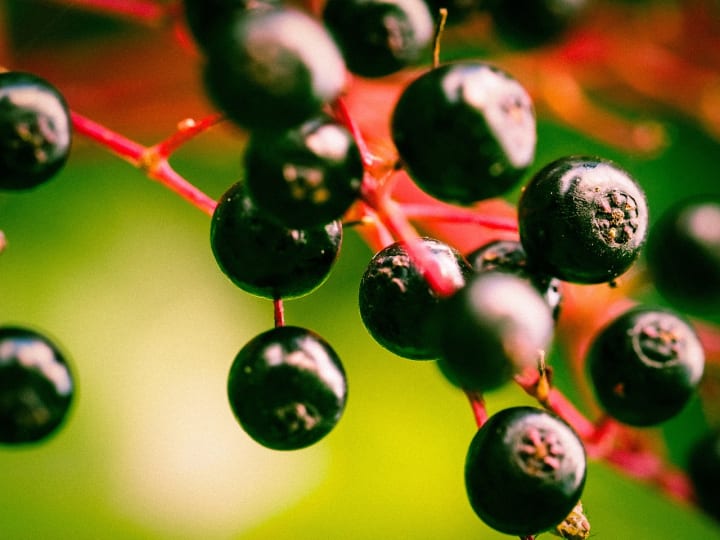
Elderberries have gained popularity as a natural remedy for colds and flu. While ripe, cooked elderberries are safe and beneficial, the rest of the plant, including unripe berries, is toxic. These parts contain alkaloids that can produce cyanide, leading to severe nausea, vomiting, and diarrhea. To stay safe, only consume elderberry products from trusted sources and avoid making your own remedies from the raw plant.
Undercooked Kidney Beans: A Common Kitchen Hazard
Beans are a healthy and nutritious part of many diets, but undercooked kidney beans can cause severe digestive problems. They contain phytohaemagglutinin (PHA), a natural toxin that becomes more potent when beans are only partially cooked. To render kidney beans safe, boil them for at least 10 minutes at high heat. Canned kidney beans are pre-cooked and safe to eat, but be sure to properly prepare dried beans to avoid any risk.
Castor Beans: Nature’s Deadliest Poison
Castor oil, derived from castor beans, has long been used as a natural remedy. However, the beans themselves contain ricin, one of the most potent poisons known to man. Just a small amount can kill an adult. Although the ricin is destroyed during the oil extraction process, it’s crucial never to attempt making castor oil at home. Keep castor bean plants out of reach of children and pets, and handle them with care.
Unripe Lychees: A Tropical Danger
Lychees are a delicious fruit, but eating them unripe, especially on an empty stomach, can have catastrophic effects. In northern India, hundreds of children have died from consuming unripe lychees, which contain a toxin that causes blood sugar levels to plummet, leading to brain swelling and death. To enjoy lychees safely, make sure they are fully ripe before eating.
Nutmeg: A Spice with a Dark Side
Nutmeg is a common spice used to add flavor to various dishes. However, in large quantities, it can cause nutmeg poisoning due to a compound called myristicin. This substance can cause hallucinations, nausea, and even organ failure when consumed in excess. While normal culinary use of nutmeg is safe, it’s important to be aware of the potential dangers, especially if you have teenagers or young adults at home who might misuse it.
Green Potatoes: When a Staple Food Turns Toxic
Potatoes are a staple in many diets, but when they turn green or begin to sprout, they produce solanine, a nerve toxin. Consuming green potatoes can lead to a range of symptoms, from nausea to paralysis. To avoid solanine poisoning, store potatoes in a cool, dark place, and discard any that have turned green or sprouted.
Raw Cashews: The Hidden Hazard
Raw cashews sold in stores are often labeled as “raw,” but they have actually been heat-treated to remove urushiol, a toxic substance also found in poison ivy. Truly raw cashews can cause severe allergic reactions, including anaphylaxis. It’s crucial to only consume commercially prepared cashews and never attempt to process them yourself.

Conclusion: Stay Informed, Stay Safe
While many of these foods are staples in our diets, they all have potential risks if not handled or prepared correctly. By staying informed about the dangers hidden in everyday foods, you can protect yourself and your loved ones from harm. Remember, moderation and proper preparation are key to enjoying these foods safely.
About the Creator
Keep reading
More stories from Anwase Austin and writers in Lifehack and other communities.
Silent Threats: How Arterial Calcification Puts Your Heart at Risk and What You Can Do About It
Introduction The idea that your arteries could be hardening and calcifying, essentially turning into bone, might sound like something out of a science fiction novel. However, this phenomenon, known as arterial calcification, is a real and concerning condition that impacts millions of people, particularly those over the age of 40. Despite its seriousness, arterial calcification often progresses silently, without noticeable symptoms, making it a significant risk factor for heart attacks, strokes, and other cardiovascular events.
By Anwase Austinabout a year ago in Lifehack
Moving in Edmonds, Washington: What Locals Learn About Relocation Over Time
Moving to a new city always comes with a mix of excitement and uncertainty. Edmonds, Washington, is no exception. Known for its waterfront views, walkable downtown, and strong sense of community, Edmonds attracts families, professionals, and retirees looking for a quieter lifestyle just north of Seattle. However, moving within or to Edmonds requires planning, especially when choosing a moving company that understands the area.
By House Doctor3 days ago in Lifehack
Not Just For Clean Up: A History Of The MCU's Department of Damage Control
Initially an organisation that seemed to exist to help the heroes of the Marvel Cinematic Universe, from Phase Four onwards, the Department of Damage Control has shifted into a more antagonistic role. Most recently seen in the Wonder Man series, the current incarnation of Damage Control seems to target superpowered individuals, regardless of whether that person poses an active or intentional threat.
By Kristy Anderson7 days ago in Geeks



Comments
There are no comments for this story
Be the first to respond and start the conversation.