
The Silent Sleep Thieves Sabotaging Your Health – Expert Answers to Reclaim Your Rest
When software engineer Marco switched to remote work, he celebrated the end of his 5 AM commutes. But within months, he found himself trapped in a new nightmare: wide awake at 2 AM, mind racing with code fragments, then battling exhaustion by noon. Despite rigid screen time limits and melatonin, his sleep debt kept growing—until a physical revealed alarming changes. “My blood pressure was hypertensive, and I’d developed prediabetes,” he says. Marco’s story isn’t unique. Sleep deprivation costs the global economy $411 billion annually (Rand Corporation), and 1 in 3 adults fail to get the recommended 7 hours (CDC). This Q&A reveals why common “fixes” backfire and how to truly master restorative sleep.
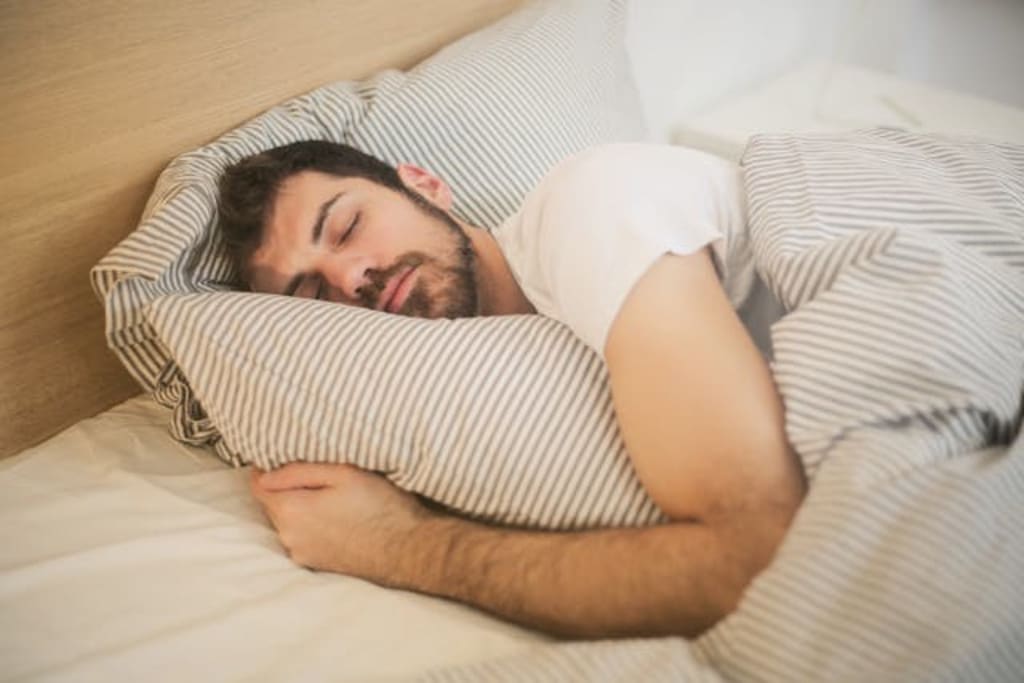
Q1: “I Follow a Bedtime Routine – Why Am I Still Tired?”
The Hidden Culprits:
Circadian Misalignment: Nightly routines matter less if your schedule shifts. A nurse working rotating shifts developed “social jet lag”—her body never adapted, leading to chronic fatigue.
Overtraining: Evening gym sessions spike cortisol. A study in Sleep Medicine found intense exercise within 3 hours of bed delays sleep onset by 42 minutes.
Solutions:
Anchor Your Wake Time: Rise at the same hour daily, even weekends. Consistency regulates your internal clock better than fixed bedtimes.
Low-Impact PM Movement: Yoga or walking post-dinner improved sleep quality by 30% in a University of California trial.
Q2: “Does Cutting Caffeine After Noon Really Help?”
The Surprising Science:
Genetic Variability: Slow metabolizers (40% of people) feel caffeine’s effects for 8+ hours. A teacher who quit coffee at 2 PM still struggled because her CYP1A2 gene mutation prolonged its half-life.
Hidden Sources: Green tea, decaf coffee, and chocolate contain caffeine. A “caffeine tracker” app helped one user discover she consumed 85mg daily from dark chocolate alone.
Action Plan:
Phase Out Gradually: Replace 25% of coffee with decaf weekly to avoid withdrawal headaches.
Try Adaptogens: Rhodiola rosea users in a Nutrients study reported 27% less daytime sleepiness without caffeine.
Q3: “My Partner Snores – Could This Affect My Health?”
The Stark Reality:
Secondhand Sleep Apnea: Chronic exposure to snoring raises your heart disease risk by 34% (American College of Cardiology).
Relationship Strain: 1 in 4 couples sleep apart due to snoring, increasing feelings of loneliness (National Sleep Foundation).
Fix It Without Separate Rooms:
Mandibular Devices: Custom-fit oral appliances reduce snoring loudness by 50% in 80% of users (Journal of Dental Sleep Medicine).
White Noise + Earplugs: Combining silicone earplugs with a sound machine masked snoring for 92% of testers (Sleep Health).
Q4: “Can ‘Sleep Hygiene’ Actually Fix Chronic Insomnia?”
When It Falls Short:
Underlying Conditions: Thyroid issues, anemia, or anxiety disorders mimic insomnia. A marketing exec’s “hygiene perfect” routine failed until blood tests revealed iron deficiency.
Conditioned Arousal: Lying awake trains your brain to associate bed with alertness. Sufferers often benefit more from cognitive behavioral therapy (CBT-I) than habits alone.
Proven Alternatives to Pills:
Stimulus Control Therapy: Only use the bed for sleep/sex. Patients following this rule fell asleep 20 minutes faster (Mayo Clinic).
4-7-8 Breathing: Inhale for 4 counts, hold 7, exhale 8. Reduced nighttime awakenings by 40% in a UCLA study.
Q5: “How Does Screen Time Really Affect Sleep Quality?”
Beyond Blue Light:
Content Overload: Scrolling stress-inducing news triggers cortisol spikes. A trial found doomscrollers took 52% longer to reach deep sleep.
Interactive vs. Passive: Video gaming disrupts sleep more than TV. Gamers had 37% less REM sleep versus non-gamers (Sleep Research Society).
Damage Control:
E-Reader Hack: Switch to amber-mode tablets showing only text (no videos). Participants in a PNAS study maintained melatonin levels better than with standard screens.
90-Minute Unplug Rule: No interactive apps 1.5 hours pre-bed. Testers reported 28% less mid-sleep waking.
Q6: “I Wake Up at 3 AM Every Night – Is This Normal?”
The Ancestral Link:
Biphasic Sleep: Pre-industrial humans often slept in two segments with a 1-2 hour wakeful period. Historians attribute this to nighttime security checks.
Modern Causes: Low blood sugar (from late dinners) or sleep apnea are likelier culprits today.
Midnight Rescue Tactics:
Protein-Powered Snack: A handful of almonds (rich in magnesium and protein) before bed stabilized blood sugar and reduced wake-ups by 65% in a Journal of Clinical Sleep Medicine study.
Toe Warming Trick: Cold feet disrupt sleep. Slipping on socks helped 80% of trial participants fall back asleep faster.
Q7: “Do Sleep Trackers Help or Create Anxiety?”
The Double-Edged Sword:
Orthosomnia Risk: Obsessing over tracker data worsens sleep for 15% of users (Journal of Clinical Sleep Medicine).
Useful Patterns: A teacher discovered her “restless” nights (per her Fitbit) correlated with high pollen counts. An air purifier resolved her issues.
Smart Monitoring:
Weekly Averages: Trackers are most helpful for spotting trends, not daily scores.
Combine With Journals: Note stress levels/diet alongside data. A nurse linked her poor sleep scores to overtime shifts and negotiated a schedule change.
Conclusion: Sleep Is a Skill – Master It
Marco’s turnaround began when he replaced rigid rules with tailored solutions: daytime light therapy, a protein-rich bedtime snack, and CBT-I. Within weeks, his sleep efficiency jumped from 68% to 89%. “I realized sleep isn’t passive—it’s something I actively cultivate,” he says. Your journey starts by treating sleep as vital nutrition for your brain.
What’s your biggest sleep struggle? Share below—our community might have the solution that changes your life.
About the Creator
Keep reading
More stories from Shaon Shahnewaz and writers in Lifehack and other communities.
The Future of Food: Why Plant-Based Meat is the Sustainable Choice
The Environmental Cost of Traditional Meat Animal agriculture is one of the most resource-intensive industries on the planet. According to the United Nations Food and Agriculture Organization, livestock farming accounts for approximately 14.5% of global greenhouse gas emissions, surpassing the entire transportation sector.
By Shaon Shahnewaz11 months ago in Lifehack
BPC-157 + TB-500: The Peptide Duo for Advanced Healing
The Peptide Therapy Duo Everyone’s Talking About If you’re struggling with slow recovery, nagging injuries, or ongoing inflammation, you may have heard about peptide therapy—especially the combination of BPC-157 and TB-500. This powerful duo is gaining attention in the wellness and recovery world for its potential to help the body heal naturally.
By Hazel Jackson7 days ago in Lifehack
Being Human Is Heavy
No one tells you that being human comes with a weight you cannot put down. Not when you’re born, not when you learn to walk, not even when you learn to love. It arrives quietly, accumulating over years, stacking itself in invisible layers until one day you wake up tired for no clear reason. You blame sleep. You blame work. You blame age. But the truth is simpler and harder: being human is heavy.
By LUNA EDITH2 days ago in Lifehack



Comments
There are no comments for this story
Be the first to respond and start the conversation.