
The Secret Psychology: Why Podcasters Feel Closer Than Real Friends
By Jacky Kapadia

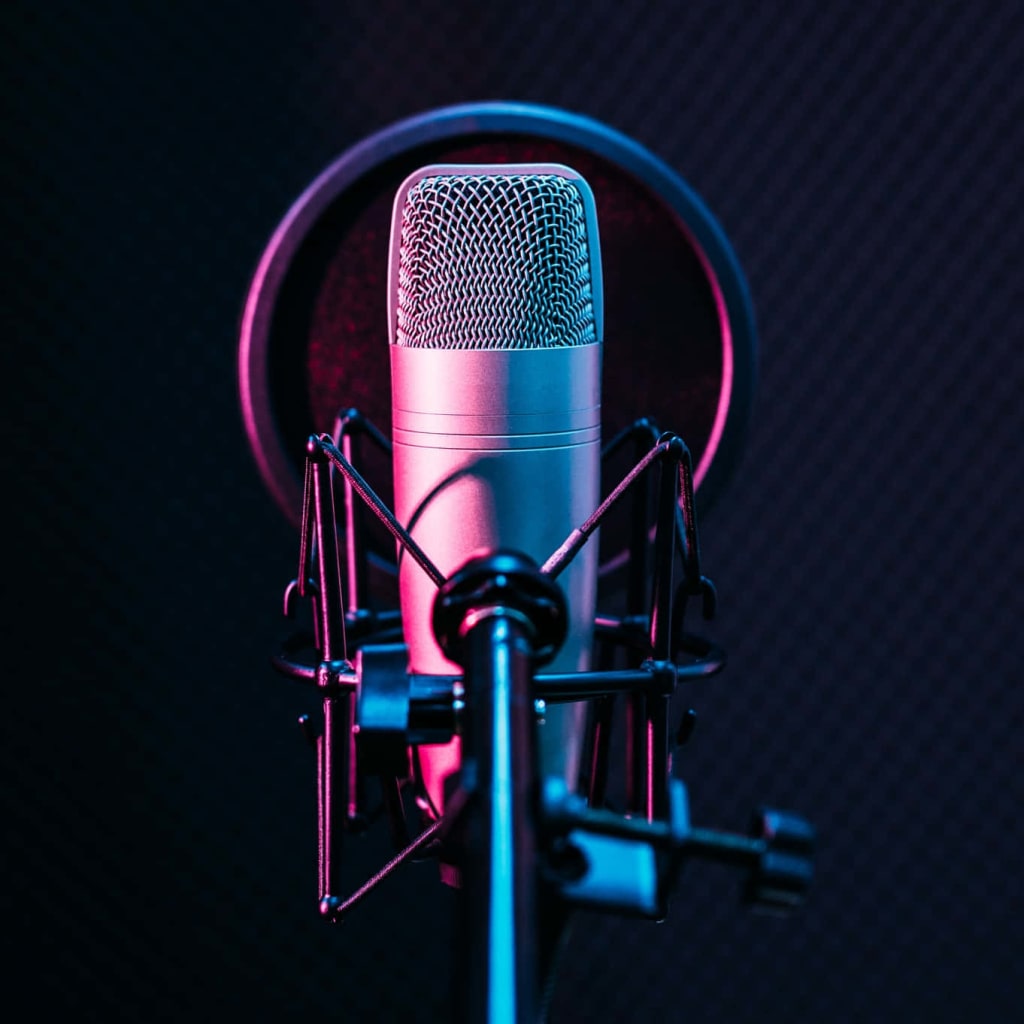
In today’s hyper-connected yet emotionally disconnected world, an unusual phenomenon is taking root—many people feel emotionally closer to their favorite podcasters than their own friends. It’s not just a quirky byproduct of digital consumption; it’s rooted in psychology. Welcome to the era of parasocial intimacy—the one-sided emotional bond we form with media personalities.
This article explores why this happens, how it influences our behavior, the benefits and drawbacks, and what it means for the future of human connection. Whether you’re a podcast enthusiast, a content creator, or simply curious, understanding this modern social shift is essential.
Why We Feel Closer to Podcasters
The human brain is wired for connection. Historically, our social lives were confined to those physically around us—family, neighbors, coworkers. But the digital revolution, especially audio media like podcasts, has reprogrammed how we build emotional bonds.
Here’s why podcasters feel like close friends:
Voice Creates Intimacy: Audio is deeply personal. Listening to someone’s voice through earbuds mimics whispering in close quarters. This auditory proximity bypasses surface filters and builds a sense of emotional closeness.
Regular Exposure: Consistency breeds familiarity. Many listeners spend hours weekly with the same hosts. This regular presence—more frequent than most real-life friends—triggers the mere exposure effect, a psychological principle that says we grow to like what we see (or hear) often.
Unfiltered Conversation: Podcasts feel raw and unscripted, even when they’re carefully produced. The vulnerability, storytelling, and spontaneity mimic the intimacy of private conversations, making listeners feel included—even when they’re just passive observers.
One-Sided Safety: Unlike real friendships, parasocial relationships are risk-free. There are no awkward pauses, judgments, or emotional labor. Listeners can “connect” on their own terms, making it feel comforting and safe.
How This Changes Human Interaction
The rise of parasocial relationships with podcasters is reshaping how we view social connection and identity.
Fills Emotional Gaps: Many adults struggle with loneliness or superficial relationships. Podcasters, with their consistent, engaging presence, provide a sense of belonging and being understood—without the emotional complexity of real friendships.
Influences Decision-Making: Listeners often internalize a podcaster’s worldview. From buying a recommended book to shifting political beliefs, the impact can be profound. Trust is built not through facts, but through perceived friendship.
Alters Social Expectations: When we compare real-life friendships to parasocial ones, disappointment can set in. Real friends may seem less interesting, more flawed, or emotionally demanding in comparison.
Replaces Real-Time Interaction: Instead of calling a friend, many now plug into a podcast. While that offers comfort, it can reduce motivation to maintain actual human connections.
The Hidden Benefits of Feeling Close to Podcasters
While it might seem odd to feel close to someone you’ve never met, there are tangible upsides:
1. Emotional Support
Listeners often report that podcasters have “gotten them through” breakups, losses, or depressive spells. Their consistency can provide emotional stability.
2. Learning and Growth
Unlike passive social scrolling, podcasts promote active listening. Whether it’s philosophy, productivity, or comedy, learning from a trusted voice is engaging and effective.
3. Community Creation
Many podcasters build online communities where listeners connect with one another. Ironically, a parasocial relationship can spark real-world friendships with like-minded people.
4. Mental Health Enhancement
Studies suggest that parasocial bonds can alleviate loneliness and even anxiety—especially in isolated individuals or those with social phobias.
The Future of Friendship in a Podcast-Driven World
We’re entering a new age where relationships aren’t defined by physical proximity or mutual interaction. While real-world friendships remain irreplaceable for deep emotional growth, parasocial connections will likely become a permanent fixture of our social landscape.
Here’s what’s coming:
Hybrid Relationships: Podcasters who engage with fans through Q&As, live streams, and events may evolve into real influencers of personal development, almost like life coaches or mentors.
AI-Driven Companions: Future podcasting could incorporate AI personalities customized to listeners’ preferences—further blurring the line between content and companionship.
Greater Scrutiny on Influence: As podcasters shape minds and behaviors, ethical concerns around manipulation, misinformation, and responsibility will increase.
Evolving Definitions of Friendship: The word “friend” may continue to shift, encompassing not just people we know, but people we feel we know—even if the connection is one-sided.
Conclusion
Podcasts aren’t just entertainment; they’re becoming an emotional lifeline for millions. Feeling closer to podcasters than your actual friends isn’t weird—it’s psychological. The combination of voice, vulnerability, and consistency makes for a deeply compelling bond.
Yet as powerful as these relationships can be, they shouldn’t fully replace real-world connection. True friendships involve reciprocity, challenge, and growth—things a podcast can’t always deliver.
By understanding the psychology behind our parasocial bonds, we can better balance our emotional needs, digital consumption, and real-life relationships. In doing so, we don’t just become smarter listeners—we become healthier humans.
FAQ: Why Podcasters Feel Closer Than Real Friends
Q1: Is it normal to feel emotionally attached to a podcaster?
Yes, it’s very common. This is called a parasocial relationship and is a natural psychological response to consistent exposure to a trusted voice.
Q2: Can parasocial relationships replace real friendships?
They can supplement emotional needs but shouldn’t completely replace two-way human relationships. Real friendships offer empathy, accountability, and mutual growth.
Q3: Are there risks to feeling close to podcasters?
Yes. Over-attachment may lead to social isolation, unrealistic expectations, or vulnerability to persuasion and manipulation.
Q4: Can these bonds help mental health?
Absolutely. For many, they offer comfort, a sense of belonging, and even companionship—especially in times of emotional distress or loneliness.
Q5: Will this trend continue?
Yes. As long-form audio remains popular and more creators adopt authentic communication styles, these emotional bonds will deepen—and diversify.
About the Creator
Jacky Kapadia
Driven by a passion for digital innovation, I am a social media influencer & digital marketer with a talent for simplifying the complexities of the digital world. Let’s connect & explore the future together—follow me on LinkedIn And Medium
Keep reading
More stories from Jacky Kapadia and writers in Lifehack and other communities.
How to Recover Your Instagram Account: The Complete 2026 Guide
Losing access to your Instagram account can feel like being locked out of a digital life. With billions of users and accounts increasingly targeted by hackers, knowing exactly how to react is crucial. Whether you’ve been hacked, forgotten your password, or had your account disabled, this comprehensive guide walks you through every official recovery method. We base our advice on Instagram's official help resources and cybersecurity experts to ensure you can regain access quickly and secure your profile for the future.
By Alexander Hoffmann3 days ago in Lifehack


Comments
There are no comments for this story
Be the first to respond and start the conversation.