
The Secret Life of Your Carpet: A Deep Dive into the Strange Science—and Subtle Art—of Cleaning It
The Domestic Stage Beneath Our Feet
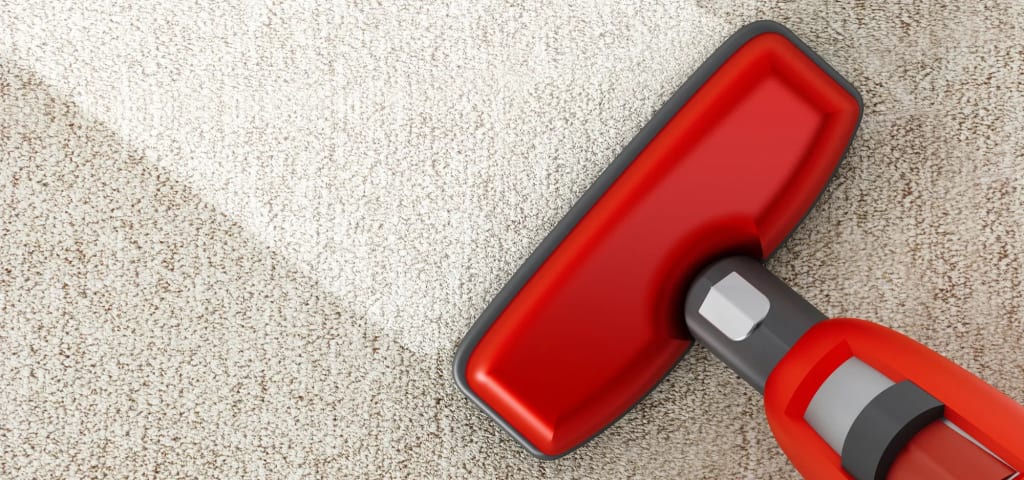
By now, we’ve all heard that our homes are dirtier than we think. The sponge is a bacteria metropolis. The phone? Germ-ridden. The carpet, though—ah, the carpet is a wooly, woven paradox. Soft underfoot, welcoming, and warm, it is also a dense archive of domestic life. Within its fibers are pet dander, dust mites, trace elements of every meal you've ever eaten within ten feet of the floor, and—if you’re lucky—a few long-lost Lego pieces.
But what’s far more curious than what lies beneath the pile is our strange psychological relationship with carpets. We walk all over them. We vacuum them, maybe. We yell at kids for spilling juice on them. We spend hundreds of dollars to replace them when they look tired, never really stopping to consider that the problem isn’t the carpet—it’s the accumulated residue of the lives we've lived on them.
The Professionals Who Clean What We Don’t See
Which brings us, oddly, to the professionals who clean carpets. Not the weekend-warrior types with a rented Rug Doctor and the grim determination of someone who once watched a YouTube tutorial. No, we’re talking about the artisans of extraction. The quiet custodians of cleanliness. The ones who arrive in anonymous vans with hoses coiled like pythons and a subtle disdain for store-bought shampoo.
I spent a morning trailing one such technician—I'll call him Brian—around a duplex in the suburbs. Brian was a minimalist in conversation but a maximalist in method. “The goal,” he explained, eyes trained on a high-traffic area of beige Berber, “isn’t just clean. It’s restoration.” He spoke of pH levels and fiber chemistry, of agitation and dwell time, like a chef de cuisine discussing the Maillard reaction.
The Science of Dirt, and the Art of Its Removal
The equipment itself is something to behold. Industrial carpet cleaners are not unlike miniature firetrucks—loud, wet, and strangely exhilarating. Brian unspooled a hose, pre-treated the carpet with a citrus-based solution (eco-friendly, with notes of grapefruit), then went to work with a wand that hissed and gurgled like it had opinions.
Here’s what I learned: dirt is stubborn. It’s not just on the surface. It’s married to the carpet, deeply intertwined, especially if you’ve ever walked across it in bare feet. Oils from skin act like adhesives, trapping soil particles. And the more synthetic the carpet, the more it behaves like a sponge—absorbent, moody, and unpredictable.
“Most people wait too long,” Brian said, glancing at a stain that had aged into something almost geological. “By then, you’re not cleaning. You’re triaging.”
Maintenance as a Philosophy
There’s a lesson in that, of course—one that goes beyond flooring. It’s about maintenance. About noticing the slow accumulation of mess before it becomes a crisis. About the dignity of small efforts.
Carpet cleaning, when you really look at it, is an allegory for modern living. We cover up chaos with surface neatness, vacuum occasionally, hope no one notices the wine stain from 2019. But eventually, someone (usually you, with a credit card and a growing sense of unease) decides it’s time to call in help.
The Joy of the Aftermath
Professionally cleaned carpets are a revelation. After Brian finished, the floor seemed brighter, somehow lighter. Even the air changed—less stale, more neutral. There’s a fleeting joy in walking barefoot on freshly cleaned carpet, not unlike the feeling of slipping between crisp sheets at a boutique hotel.
But perhaps what’s most fascinating is how carpet cleaning remains something of a blind spot in the canon of home care. It lacks the glamour of a kitchen remodel, the aesthetic payoff of a new coat of paint. It’s not “Instagrammable.” It’s utilitarian, invisible, and therefore, underrated.
The Quiet Power of Clean
Yet if you ask allergists, environmental scientists, or anyone who’s ever tried to remove the smell of cat urine with vinegar and hope, they’ll tell you: clean carpets matter. They matter a lot. Not just for health—though they trap allergens and airborne particles like polite little doormats—but for mental clarity. A dirty carpet is low-level stress. A clean one is baseline peace.
The carpet industry itself has shifted, subtly. There’s more attention now to sustainable fibers, to low-moisture cleaning methods, to enzyme-based solutions that break down organic stains without leaving behind a perfume cloud of “fresh linen” chemicals. And increasingly, people are getting wise to the idea that carpet cleaning isn’t a once-a-decade punishment. It’s routine care. Like dental cleanings. Or therapy.
The Last Pass of the Wand
There’s something beautifully analog about it, too. In an age of digital everything, there is still a person who shows up, unplugs your floor lamp, and uses hot water to coax dirt from your life. It’s humble, hands-on work. And if you’re paying attention, it teaches you something about accumulation and release.
Brian packed up quietly when he was done. The carpet looked reborn. The client looked grateful. “See you next year,” she said, as if talking to a dentist, or a distant cousin who comes around for the holidays.
But it won’t be clean forever. That’s the nature of carpets—and of life. Things get messy. We track in the world on our shoes. And every so often, we need to stop, look down, and start scrubbing.
About the Creator
BR D
Hello! My name is Brianna, and I am a passionate writer.



Comments (1)
Hello, just wanna let you know that according to Vocal's Community Guidelines, we have to choose the AI-Generated tag before publishing when we use AI 😊