
the scince behind dietary supplements
understanding dietary supplements
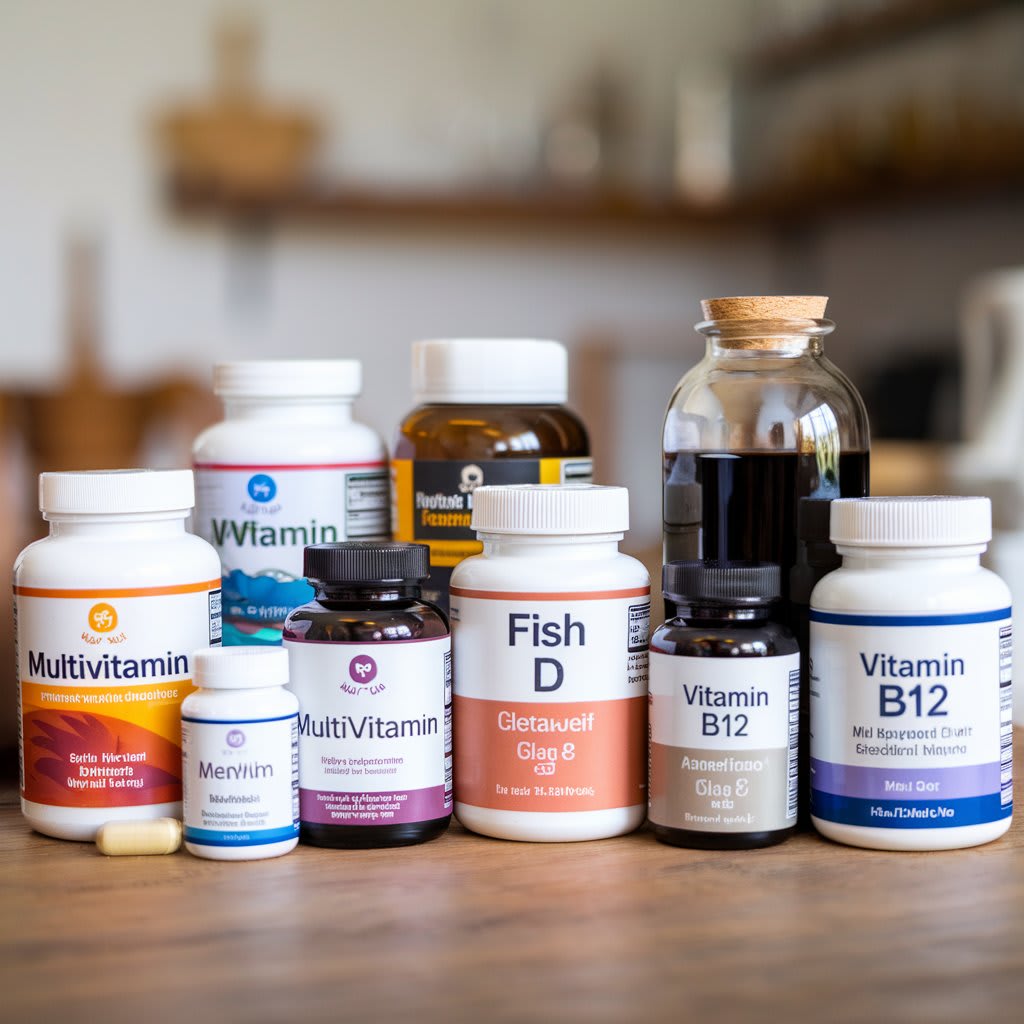
Dietary supplements have become a cornerstone of modern health and wellness practices, offering a range of benefits that extend beyond basic nutrition. Definition and types: Dietary supplements are products taken orally that contain one or more ingredients such as vitamins, minerals, herbs, amino acids, and enzymes, intended to supplement the diet. The variety of dietary supplements is vast and includes multivitamins, single-nutrient supplements, herbal extracts, and performance enhancers, among others.
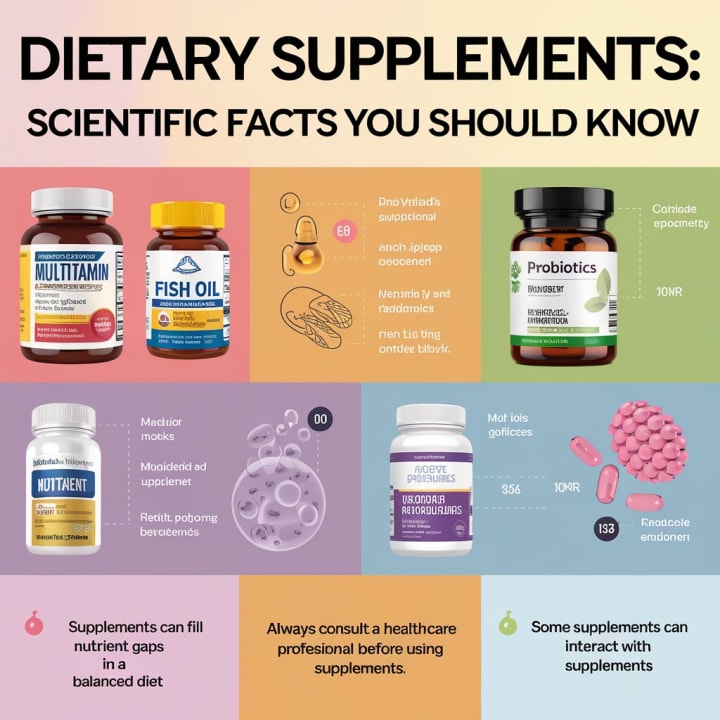
Importance and usage: The importance of dietary supplements lies in their ability to fill nutritional gaps, support bodily functions, and enhance overall health. Many people use supplements to ensure they get adequate nutrition, particularly when their diets may lack essential nutrients. Additionally, supplements are frequently used for specific health goals such as boosting immunity, improving cardiovascular health, or aiding in muscle growth and recovery.

Common dietary supplements: Among the most commonly used supplements are multivitamins, which provide a broad spectrum of essential nutrients. Omega-3 fatty acids, commonly derived from fish oil, support heart health and cognitive function. Probiotics help maintain a healthy gut microbiome, while vitamin D and calcium play critical roles in bone health. Herbal supplements like echinacea and ginseng are often used for their purported health benefits derived from traditional medicine.
Physiological Impact of Supplements
Understanding the physiological impact of supplements involves examining how these substances interact with the body and contribute to health maintenance or improvement.
Nutrient absorption: Supplements often provide concentrated doses of nutrients, which can enhance absorption and utilization in cases where the diet does not provide sufficient levels. For example, vitamin C improves the absorption of iron, making it essential in combating iron-deficiency anemia. However, not all supplements are absorbed equally; factors such as the presence of other nutrients and the individual’s health status can influence efficacy.
Interaction with body systems: Supplements can affect various body systems in significant ways. Omega-3 fatty acids, for instance, influence the cardiovascular system by reducing inflammation and lowering blood triglyceride levels. Probiotics impact the digestive system by balancing gut flora, which can enhance immune function and digestive health. Other supplements, like those containing antioxidants, can help neutralize harmful free radicals, thus supporting cellular health.
Potential side effects: Despite their benefits, dietary supplements can have side effects, especially when taken inappropriately. Excessive intake of fat-soluble vitamins (A, D, E, and K) can lead to toxicity since the body stores these nutrients. Some herbal supplements may interact with prescription medications, leading to adverse effects. For instance, St. John’s Wort can reduce the effectiveness of birth control pills and certain antidepressants. Therefore, awareness of possible interactions and contraindications is essential for safe supplementation.
Scientific Basis and Research
The scientific basis and research into dietary supplements provide a framework for understanding their efficacy and safety.
Evidence-based benefits: Numerous studies support the benefits of dietary supplements in promoting health. For example, folic acid supplementation during pregnancy is widely recommended to prevent neural tube defects. Similarly, fish oil supplements have substantial evidence backing their role in reducing the risk of coronary heart disease. These benefits are typically validated through rigorous scientific research and clinical trials.
Clinical trials and studies: Clinical trials play a crucial role in establishing the validity of supplements. Double-blind, placebo-controlled studies are the gold standard in research, helping to minimize bias and provide reliable results. For instance, randomized controlled trials have shown that vitamin D supplementation can significantly improve bone mineral density in individuals with deficiency, highlighting its importance for bone health.
Controversies in research: Despite robust research, the field is not without controversies. Some studies have produced conflicting results, leading to debates about the true efficacy of certain supplements. For example, while some research indicates that antioxidants can reduce the risk of chronic diseases, other studies suggest that high doses may be harmful. Additionally, the commercial interest in the supplement industry sometimes leads to biased research, where positive results may be overemphasized while negative findings are downplayed.
Regulation and Quality Control
Ensuring the safety and efficacy of dietary supplements depends heavily on regulation and quality control measures.
Regulatory agencies: In many countries, regulatory agencies like the U.S. Food and Drug Administration (FDA) and the European Food Safety Authority (EFSA) oversee the safety and marketing of dietary supplements. These agencies set guidelines to ensure that supplements are safe for consumption and accurately labeled. However, dietary supplements are often regulated as food, not drugs, implying less stringent oversight compared to pharmaceutical products.
Quality standards: Quality control in the supplement industry involves adhering to Good Manufacturing Practices (GMPs), which cover aspects like ingredient sourcing, manufacturing processes, and final product testing. Independent certification organizations, such as the United States Pharmacopeia (USP), also play a role in verifying supplement quality and purity.
Issues in manufacturing: Despite regulations, issues in manufacturing can still occur, including contamination with harmful substances, inaccurate labeling, and inconsistent ingredient potency. For example, some supplements have been found to contain undisclosed pharmaceuticals or heavy metals, posing significant health risks. These issues underscore the importance of choosing reputable brands and being aware of third-party certifications when selecting dietary supplements.
In conclusion, dietary supplements offer a valuable tool for enhancing health, but their use requires a thorough understanding of their physiological impacts, scientific backing, and regulatory environment. Making informed choices and consulting healthcare professionals can help optimize the benefits of supplementation while minimizing potential risks.
About the Creator
Choosing the Right Moving Company in Edmonds, WA
Relocating is rarely just about transporting boxes from one place to another. In a city like Edmonds, Washington, where neighborhoods vary widely in layout, elevation, and access, the choice of a moving company can significantly influence how smooth the entire process feels. Whether you’re moving into Edmonds for the first time or relocating within the city, understanding what sets local movers apart is an essential step.
By House Doctor3 days ago in Lifehack
The Devil's Triangle
The sails ruffled in the breeze as we cruised along. The Sea Breeze was a mid-size catamaran that sailed out of Royal Naval Dockyard in Bermuda. We had booked this trip weeks in advance and were now looking at our Captain, Spike and two boat hands. Paddy and Wilson seemed like nice guys, joking around with the passengers and telling us some stories about Bermuda that only locals would know. Their island accents sounded almost British but they were pleasant to listen to.
By Barbara Gode Wiles6 days ago in Fiction



Comments
There are no comments for this story
Be the first to respond and start the conversation.