
The Science of Flavor: How to Boost Taste in Every Bite
Science
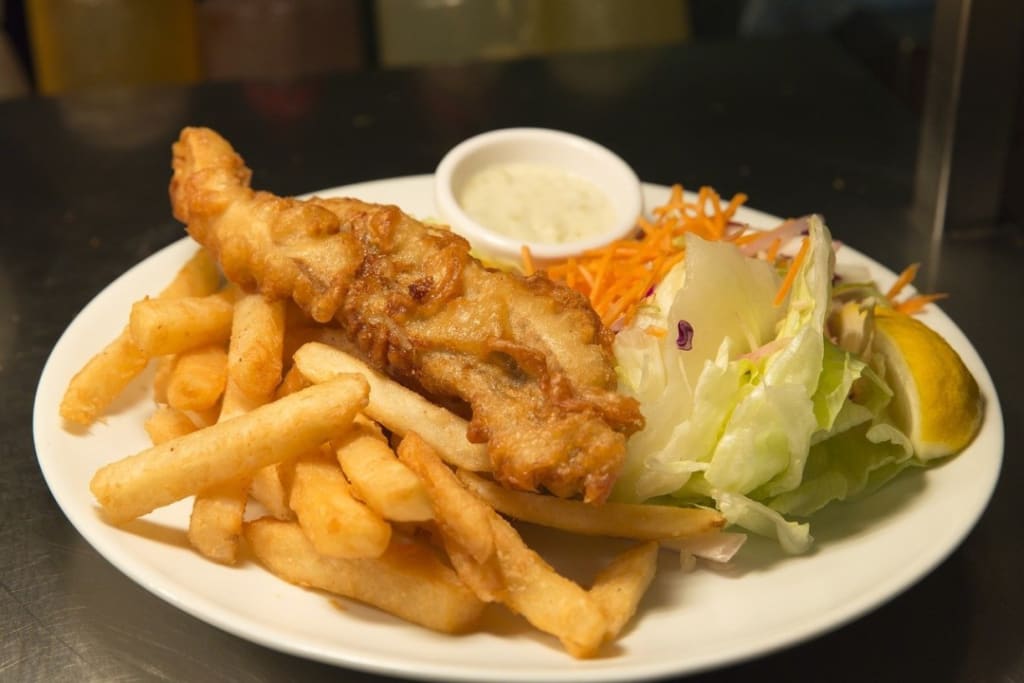
Flavor is at the heart of any memorable meal. While food may nourish us physically, flavor satisfies our senses and connects us to culture, memories, and emotions. But what makes food flavorful? And how can we amplify flavors to elevate even the simplest dishes? Unlocking the secrets of flavor involves more than simply following recipes; it requires understanding the scientific processes that make certain foods more delicious than others. From chemical reactions to sensory perception, this article delves into the science of flavor and offers practical tips to boost taste in every bite.
Understanding Flavor: More Than Just Taste
Feeding the Fiy is often confused with taste, but it’s a far more complex experience. While taste is one component, primarily perceived through taste buds on the tongue, flavor also involves aroma, texture, temperature, and even sound. Scientists estimate that 80-90% of what we perceive as flavor is actually smell, which explains why food tastes bland when we have a stuffy nose. The primary tastes—sweet, salty, sour, bitter, and umami—are detected by taste buds, but these tastes are enhanced and transformed by a food’s aroma.
When we eat, molecules in food interact with taste receptors on our tongue and with olfactory receptors in our nose. These receptors send signals to the brain, which processes these different sensory inputs into a cohesive experience we call flavor. Understanding this interaction opens up numerous possibilities for intensifying flavor by manipulating ingredients, aromas, and cooking techniques.
Boosting Flavor Through Chemical Reactions
The way we cook food significantly affects its flavor, thanks in large part to chemical reactions that occur when food is heated or otherwise transformed.
1. The Maillard Reaction
One of the most well-known flavor-enhancing processes is the Maillard reaction. This occurs when amino acids and reducing sugars in food react at high temperatures, creating hundreds of new flavor compounds that give foods a savory, complex, and browned taste. Foods like toasted bread, seared meats, and roasted coffee all owe their rich flavors to this reaction.
To use the Maillard reaction to your advantage:
Use high heat: Searing or roasting at a high temperature can help initiate the Maillard reaction, creating a crispy, caramelized crust.
Dry the surface of meats and vegetables before cooking: Moisture slows down browning, so patting food dry before cooking speeds up the process.
Avoid overcrowding the pan: If too much food is in the pan, moisture can accumulate, preventing browning.
2. Caramelization
Caramelization is another chemical reaction, though it specifically involves the breakdown of sugars at high temperatures, resulting in sweet and nutty flavors. Caramelized onions, roasted carrots, and even caramel itself are all products of this reaction.
To achieve optimal caramelization:
Use medium to high heat with a bit of patience: Allow foods to slowly turn golden without stirring too frequently, letting sugars naturally break down and enhance the sweetness.
Experiment with different sugars: Different types of sugars (white sugar, brown sugar, or natural sugars in vegetables) will caramelize differently, creating unique flavors.
3. Deglazing and Reductions
Deglazing a pan with wine, broth, or vinegar can add depth to sauces by lifting the flavorful, browned bits (fond) left from cooking proteins. Similarly, reducing sauces by simmering them down intensifies their flavors by concentrating the ingredients.
To intensify flavors through deglazing:
Use liquids with bold flavors: Wine, vinegar, and broth are all great choices, as they not only add their own flavors but also dissolve the browned bits on the pan, enriching the sauce.
Simmer sauces to reduce and thicken: This technique works especially well with soups and sauces, creating a richer and more robust final product.
Leveraging Umami for Deep Savory Flavors
Umami, often described as the “fifth taste,” is essential to making dishes taste satisfying and full-bodied. Naturally present in foods like tomatoes, mushrooms, aged cheese, and soy sauce, umami enhances the savory quality of a dish and balances other flavors.
To maximize umami in your cooking:
Add fermented ingredients: Fermentation enhances umami through natural breakdown processes. Try adding a splash of soy sauce, fish sauce, or miso paste.
Incorporate dried ingredients: Dried mushrooms, tomatoes, and seaweed are packed with umami and can add depth when rehydrated or used in stocks and sauces.
Experiment with aged foods: Aged cheeses, cured meats, and certain pickled foods have concentrated umami flavors. A sprinkle of Parmesan or a slice of prosciutto can go a long way in boosting taste.
Amplifying Flavor with Salt, Acid, and Fats
Balancing salt, acid, and fats is key to unlocking the best flavors in your ingredients.
1. Salt: More Than a Seasoning
Salt is one of the most effective flavor enhancers, as it increases our perception of sweet and umami flavors while also balancing bitterness. Salt draws out moisture, which can improve texture, especially in vegetables and proteins, making flavors more intense.
To use salt effectively:
Season gradually and taste as you go: Start with a small amount, as it’s easier to add more salt than to fix over-salting.
Use different types of salt: Finishing salts (like flaky sea salt) add texture, while kosher salt is ideal for even seasoning.
2. Acid for Brightness and Balance
Acidic ingredients like citrus juice, vinegar, and tomatoes can brighten and balance flavors, helping cut through richness and adding complexity.
To incorporate acid:
Add a splash at the end of cooking: Acidity can easily overpower a dish, so add it at the end for just the right amount of tang.
Experiment with different acids: Each acid has its unique flavor profile; for example, lemon adds freshness, while balsamic vinegar gives sweetness.
3. Fats for Richness and Mouthfeel
Fat carries flavor and provides a luscious mouthfeel, as it interacts with our taste buds differently from water-based ingredients. It also helps disperse aromatic compounds, enhancing the flavor of herbs and spices.
To use fats for flavor:
Use oils and fats with distinct flavors: Extra virgin olive oil, sesame oil, and butter each have unique flavors that can enhance dishes.
Pair fats with aromatic herbs and spices: Infuse oils with garlic, rosemary, or chili for extra layers of taste.
Enhancing Flavor with Fresh Herbs and Spices
Herbs and spices are powerful tools for adding aroma, depth, and warmth. While they don’t impact taste directly, they significantly affect our perception of flavor.
1. Using Fresh Herbs
Fresh herbs, like basil, cilantro, and parsley, add vibrant flavors and aromas, especially when added at the end of cooking or as garnishes. For dishes with long cooking times, hearty herbs like rosemary and thyme can be added early to infuse their essence.
2. Toasting and Blooming Spices
Spices release essential oils when heated, intensifying their flavors. Toasting spices briefly in a dry pan or blooming them in hot oil before adding other ingredients brings out their full aromatic potential.
3. Combining Herbs and Spices Thoughtfully
Different herbs and spices can balance or enhance one another. For example, cumin’s earthy flavor is balanced by the sweetness of cinnamon, while cilantro’s brightness complements cumin and chili in Mexican dishes.
The Role of Temperature and Texture in Flavor Perception
Temperature and texture have a profound impact on how we perceive flavor. Warm food tends to have more intense aromas, while cold food can dull certain flavors. Texture also influences flavor perception, as creamy, crunchy, or chewy elements add layers of sensory enjoyment.
To play with temperature and texture:
Serve foods at the ideal temperature: Let cooked food cool slightly before serving, as overly hot food can mask flavors.
Contrast textures in a dish: Combining crunchy and creamy or soft and crispy elements can elevate a dish by making it more dynamic.
Conclusion: Crafting Flavor with Science
Feeding the Fiy combines chemistry, sensory perception, and cooking techniques to transform simple ingredients into an unforgettable meal. By understanding the role of chemical reactions, balancing tastes, leveraging umami, and using temperature and texture strategically, you can elevate your cooking and make each bite a flavorful experience. Whether you're creating a complex dish or enhancing everyday meals, these techniques will empower you to maximize flavor and bring your culinary creations to life.
About the Creator
Reader insights
Outstanding
Excellent work. Looking forward to reading more!
Top insight
Heartfelt and relatable
The story invoked strong personal emotions
Keep reading
More stories from jane smith and writers in Lifehack and other communities.
Slow Thinking: Power in a Fast World
In an era of instant notifications and rapid decisions, slow thinking emerges as a vital counterforce. This deliberate approach, popularized by thinkers like Daniel Kahneman in Thinking, Fast and Slow, contrasts reactive impulses with measured reflection, yielding superior outcomes in work, life, and creativity. Platforms like DeContrabas quietly embody this philosophy, offering minimalist spaces where ideas can breathe and deepen.
By Tracee Jonesa day ago in Lifehack




Comments (1)
good info