
Guide to Herringbone Parquet Floor Fitting
Fitting
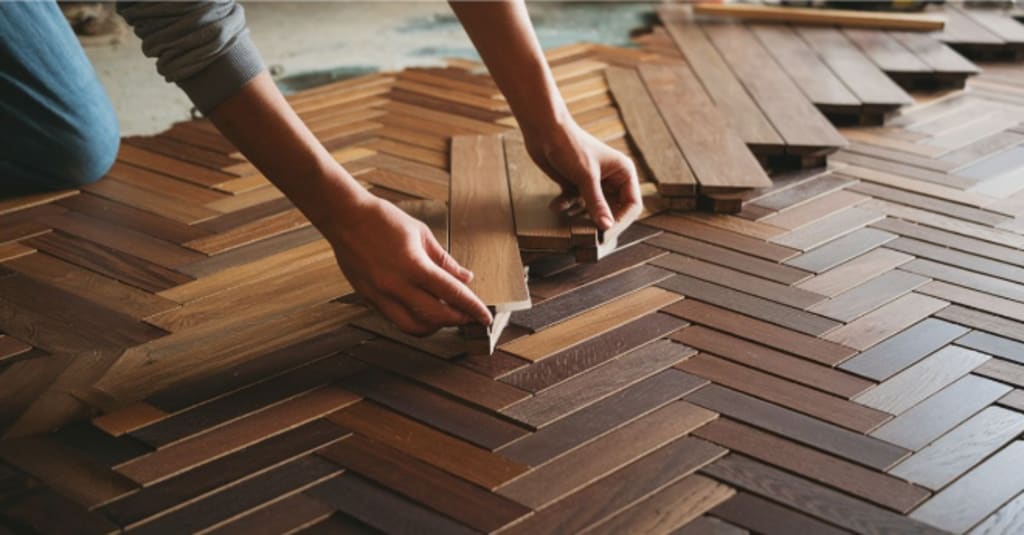
Herringbone parquet flooring is a timeless and graceful design of wooden flooring, where smaller timber blocks or pieces join together in a V-shaped pattern
The herringbone patterned parquet flooring can bring elegance, beauty, and sophistication to any place. The design gives an illusion of motion and texture, which makes the rooms both traditional and contemporary at the same time, making it a desired type of flooring for any home and one requiring skilled & experienced parquet floor fitters.
Types of Herringbone Parquet Flooring Materials
Herringbone parquet flooring can be made from various materials, such as solid timber, engineered wood, or laminated planks. While the former offers beauty and the necessary rigidity, the latter is resistant to water and much stronger.
Laminate herringbone is a less expensive and low-maintenance alternative that gives a similar look to the original. Every material has its advantages, thus allowing homeowners or renters to make choices based on stylistic, durability, and economic needs.
Preparing for Installation
Installation of herringbone parquet flooring requires preparation works such as clearing the space and providing a clean and levelled subfloor. A flat surface devoid of moisture is necessary to avoid problems such as warping or gaps in the later stages.
Additionally, it is pertinent to assemble all the required tools and substances like spacers, adhesives as well as a measuring instrument. It is essential to carefully plan and prepare to make the process of installation easy and the end product appealing and durable.
Fitting Herringbone Parquet Flooring: Step-by-Step
Herringbone parquet flooring installation begins with identifying the centerline to ensure precise alignment of the pattern within the room. The first row of planks is then placed on this line with the use of spacers to allow expansion gaps between them.
Affix each plank tightly to the subfloor with adhesive in an identified herringbone fashion. Proceed to lay lines ensuring that the lines are straightened often and lastly cut off the excess and apply a protective coat.
Finishing Touches
After laying the herringbone parquet flooring, the final touches consist of cutting the edges and fitting skirting or moulding for completeness. This serves to conceal any spaces and facilitates a smooth connection between the floor and the sides of the walls.
Once the cutting process is completed, the application of a sealant is essential to provide extra strength and protect the timber from dampness and excessive foot traffic. All maintenance over the years in the form of just washing and recoating the floor in question will ensure that the floor remains pleasing to look at.
Maintenance and Care for Herringbone Parquet Flooring
Regular Cleaning: To eliminate particles and dust, make it a point to sweep or vacuum routinely and mopping does help in cleaning the surfaces where a pH-neutral cleaner is used so that the wooden finishing is not compromised.
Avoid Excess Water: The floors need to be kept dry by mopping any spills immediately and avoiding too much water when cleaning the floors since moisture can cause twisting or damage to the timber.
Use Furniture Pads: Install pads underneath the legs of the furniture to avoid scrapes and indentation and do not drag heavy objects on the floor.
Control Humidity: Controlling the humidity levels in the house is essential in order to maintain the wood’s shape and control any associated distorting effects that may cause leeway’s appearance or warping.
Periodic Maintenance: Reapply a protective sealant or finish every few years depending on the levels of traffic to maintain the aesthetics of the wood and improve its endurance.
FAQ’s:
What is herringbone parquet flooring?
Herringbone parquet flooring consists of timber blocks that are conceived in a zigzag-shaped pattern. Such design makes any space appear sophisticated and interesting.
How do I prepare for installation?
Clear the area and ensure the subfloor is clean and level. Gather all necessary tools and materials before starting the installation.
What materials can I use for herringbone parquet flooring?
Herringbone’s floor systems can be constructed using either solid wood, engineered wood or even laminate materials. Each of these materials has its benefits based on how strong and cost-efficient it is.
How do I ensure proper alignment during installation?
Mark the centerline of the room to align your first row of planks accurately. Use spacers to maintain even gaps as you lay down the herringbone pattern.
What are the finishing touches after installation?
Trim the edges and install baseboards or moulding for a polished look. Apply a protective sealant to enhance durability and protect the wood.
Conclusion:
Beautiful and classic in design, herringbone parquet flooring installation can dramatically change the appearance of any given room. If done properly and carefully, the right effort can be striking and increase the beauty of your house.
You can promote the long-lasting property of the flooring and its maintenance by following the steps one by one. Revel in the beauty of herringbone parquet flooring and its ability to create warmth and beauty in the space you live in.
About the Creator
Keep reading
More stories from jane smith and writers in Lifehack and other communities.
How LED Screens Transform Homes and Boost Their Value
The LED video walls industry is experiencing significant growth, establishing itself as a formidable competitor among various technological innovations. Today, LED Screens are considered a crucial element for enhancing aesthetics within modern architecture.
By jane smith about a year ago in Lifehack
The Hidden Traps in UK VAT That Cost Small Businesses Thousands
Every year, thousands of UK small businesses face unexpected tax bills, penalties, and sleepless nights over VAT mistakes they didn't even know they were making. The numbers tell a sobering story: HMRC issued over £800 million in VAT penalties in 2023 alone, with small businesses bearing a disproportionate share of that burden.
By Saifullah Awan 22 days ago in Lifehack
Smartphones Are Better Than Ever
A few years ago, it was fun to get a new phone. You took it out of the box, looked at all the features, tried out the camera, and felt that calm joy that comes with possessing something truly new. Smartphones are objectively more powerful than ever today, with faster processors, smarter software, and better displays. But the enthusiasm is essentially gone.
By abualyaanart2 days ago in Lifehack




Comments
There are no comments for this story
Be the first to respond and start the conversation.