
The Science Behind Herbal Remedies That Treat Anxiety Naturally
Exploring evidence-backed herbs that may help you treat anxiety naturally, one calming cup at a time.
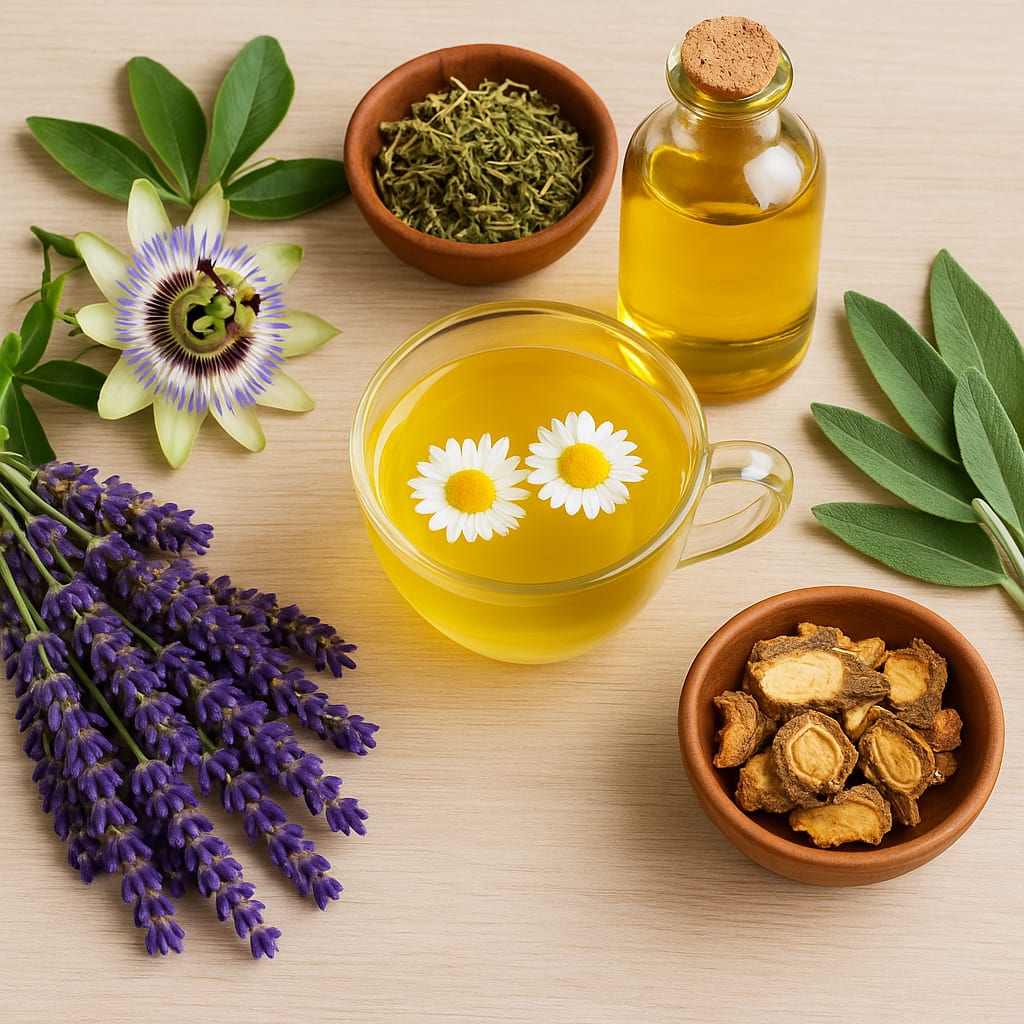
Anxiety is a common yet deeply personal experience, affecting how we think, feel, and function day-to-day. As more individuals seek gentler, sustainable solutions to manage their mental health, the interest in natural methods—particularly herbal remedies—has grown significantly. Rather than replacing professional support, these natural approaches may complement conventional strategies. In this article, we’ll explore how evidence-backed herbs may help treat anxiety naturally and what science has to say about their effectiveness.
What Happens in the Brain During Anxiety?
When we experience anxiety, the brain triggers a fight-or-flight response—an ancient survival mechanism that prepares the body for danger. This involves releasing hormones like adrenaline and cortisol, increasing heart rate and sharpening focus. While helpful in short bursts, ongoing anxiety keeps this system activated, leading to physical and emotional exhaustion.
Although prescription medications like SSRIs or benzodiazepines are commonly used to manage symptoms, some people experience side effects or prefer alternatives. This is where herbal medicine may offer a gentler option—provided it’s used with care and awareness.
If you’re curious about other natural ways to calm the mind, this meditation experiment shared on Vocal Media shows how 30 days of mindfulness can lead to lasting mental shifts.
Five Herbal Remedies That May Help Treat Anxiety Naturally
Let’s take a closer look at five herbs that have been scientifically studied for their potential calming properties. While more research is always needed, these remedies have shown promising results for those seeking to treat anxiety naturally.
1. Ashwagandha
A cornerstone of Ayurvedic medicine, Ashwagandha is classified as an adaptogen—an herb that helps the body adapt to stress. Studies suggest it may help regulate cortisol levels and improve sleep quality. In one 2019 clinical trial, participants who took Ashwagandha extract reported reduced anxiety and improved focus compared to a placebo group.
2. Lavender
Lavender’s calming scent is familiar in essential oils and bath products, but it also shows promise in capsule form. Research indicates that oral lavender oil capsules (such as Silexan) may reduce symptoms of generalised anxiety disorder (GAD) comparably to low-dose benzodiazepines, without the risk of dependency. Lavender aromatherapy also influences brain wave activity, supporting relaxation.
3. Passionflower
Traditionally used in Native American and South American healing, Passionflower has a long history as a natural sedative. It appears to increase GABA levels in the brain, a neurotransmitter that helps tone down neural activity, which may explain its calming effects. While Passionflower is often included in sleep or stress teas, extracts have been studied for their mild anti-anxiety potential.
4. Chamomile
Known for its use in bedtime teas, Chamomile isn’t just a comforting drink—it may help with anxiety symptoms. A study published in the Journal of Clinical Psychopharmacology found that long-term Chamomile use significantly reduced moderate-to-severe generalised anxiety symptoms. It also appears safe for daily use in capsule form when taken at therapeutic doses.
5. Rhodiola Rosea
Another adaptogen, Rhodiola is often used to combat fatigue and burnout. It’s thought to help regulate stress-related chemicals in the body and may be particularly useful for people experiencing anxiety related to chronic overwork. Studies have shown improvement in stress resilience and cognitive performance following Rhodiola supplementation.
If you enjoy reading about supplements and wellbeing, you may also appreciate this Vocal Media article on natural support for mental clarity and mood.
How Safe Are Herbal Remedies?
Despite their natural origins, herbs are not automatically safe for everyone. Some may interact with prescription medications or cause allergic reactions. Dosage also matters—a therapeutic amount differs significantly from what’s found in flavoured teas or food. Always check with a GP, naturopath, or herbalist, especially if you’re pregnant, breastfeeding, or managing other health conditions.
When buying herbal supplements, choose reputable brands and read labels carefully. Look for standardised extracts, which ensure consistent levels of active ingredients. Safety comes first, even with plants.
Building a Holistic Routine Around Herbal Support
Taking herbs occasionally may offer small relief, but long-term benefits often come from embedding them in a broader wellness routine. This could include:
- Brewing a nightly herbal tea ritual to signal wind-down time.
- Using lavender aromatherapy during meditation or before bed.
- Taking Rhodiola in the morning to build stress resilience through the day.
- Consistency is key—just like with diet or movement habits.
For those looking for structured guidance, Natural Anxiety Treatments, Treat Anxiety Naturally with Restored Balance, Anxiety Relief Naturally offers in-depth support combining evidence-based natural therapies with individualised care. Their holistic focus may appeal to those seeking both physical and emotional support in one place.
Final Thoughts: A Return to Natural Wisdom
Herbal remedies are not a cure-all. But for some, they offer a way to reconnect with nature, slow down, and listen to the body’s needs. Paired with other anxiety-reducing strategies like breathwork, movement, or creative expression, herbs may offer a powerful support system—one that gently strengthens the nervous system over time.
In today’s fast-paced world, a return to ancient herbal practices may be less about rejecting modern medicine and more about rebalancing how we live, rest, and heal.
If you're intrigued by the broader shift towards ancestral wellness practices, this piece on why we’re returning to ancient rituals may resonate with you.
About the Creator
Keep reading
More stories from Rochelle Martinez and writers in Lifehack and other communities.
Why More Parents Are Choosing Organic Baby Clothes (and What It Means for the Future of Childhood)
Parenthood has a way of changing how we see the world — especially the small, everyday choices that quietly shape our children’s lives. From the food they eat to the toys they play with and the clothes that touch their skin, many parents today are looking beyond convenience and price tags and asking a deeper question: What’s actually best for my child in the long run?
By Car Detail Calgarya day ago in Lifehack


Comments
There are no comments for this story
Be the first to respond and start the conversation.