
The Role of Water Purification Systems in Public Health
Water is life, but not all water is safe.
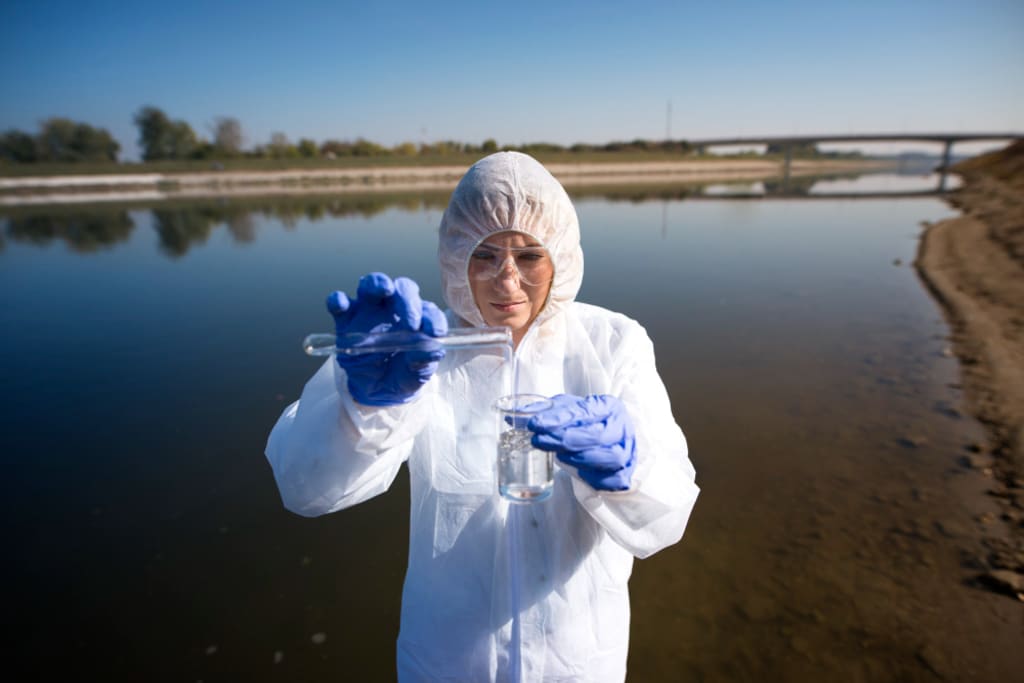
Water is life, but not all water is safe. Contaminated water holds an enormous health risk to the general public, ensuring the spread of diseases and, consequently, a loss of lives. The next water purification system is an essential invention in the process toward having a healthy world free from waterborne illnesses. Here's a blog discussing their importance, starting with sanitation improvement to healthier communities.
A Foundation for Health: Why Water Purification Systems Matter
Clean water is a cornerstone of public health. Without it, communities are vulnerable to diseases like cholera, dysentery, and typhoid. Water purification systems remove harmful contaminants such as bacteria, viruses, and chemicals, ensuring that water meets safe consumption standards. By providing clean water, these systems directly prevent disease outbreaks and enhance overall well-being.
Breaking the Chain of Diseases with Water Purification Systems
Waterborne diseases have always remained a prevalent cause of death around the globe, particularly in developing countries. A proper water treatment system prevents these diseases and thereby breaks the chain of disease transmission. For example, if during natural calamities, sanitation infrastructure collapses, then these systems prove to be a vital lifeline by allowing people to access safe drinking water.
How Water Purification Systems Enhance Daily Life
Water purification systems are not merely a means of preventing diseases-they also increase the quality of everyday life. Pure water enhances the immune system, aids proper hydration, and helps children with healthy development. Schools and workplaces experience reduced absenteeism due to sickness with pure water installations, resulting in higher productivity levels and better educational achievements.
The Engineering That Makes Modern Water Purification Systems Possible
Water purification equipment today employs advanced technologies such as reverse osmosis, ultraviolet light, and activated carbon filters. Each step and technology is designed to target different contaminants, thus ensuring more thorough purification. Reverse osmosis effectively removes heavy metals, while UV light kills off pathogens. This combination of technologies ensures that even the most contaminated water is safe to use.
Read Also : - The Best Bathing Water Filter for Soft and Clean Water
Building Resilient Communities with Water Purification Systems
Communities with water purification systems are more resilient to public health challenges. The systems put the local populations in charge of their resources, empowering them, thus enhancing self-reliance and sustainability. Besides, water purification systems help reduce the economic burden of waterborne diseases; hence, they reduce healthcare costs as well as increase productivity at the workplaces.
Role of Water Purification Systems in Urban and Rural Areas
Urban cities usually enjoy the benefit of massive scales of water purification systems integrated in municipal supplies, delivering fresh clean water to millions. On the other hand, rural areas depend on the localized and decentralized systems to meet the demand. These customized solutions have addressed the distinctive challenges of each area, closing the gap between urban and rural access to safe water.
Global Success Stories of Water Purification Systems
Across different countries worldwide, there can be seen the sweeping changes brought about by purified water systems. In Singapore, highly purified water is made available with advanced purification techniques from scarce sources. In African countries, portable units of purification can save lives in far-flung villages. These success stories show how new solutions can adequately deal with various types of challenges in water.
Challenges in Implementing Water Purification Systems
Despite their importance, implementing water purification systems comes with challenges. High initial costs, maintenance issues, and lack of awareness can hinder adoption. Governments, NGOs, and private sectors must collaborate to make these systems accessible and affordable. Education campaigns can also encourage communities to prioritize clean water for their health.
Future Trends: The Evolution of Water Purification Systems
The outlook for water purification systems seems promising, with advances such as AI-driven monitoring and even energy-efficient desalination available. These new technologies will make systems more accessible, environmentally friendly, and efficient, thereby providing clean water for a growing global population. Joining these trends will further cement the connection between water purification systems and public health.
Conclusion: Prioritizing Public Health with Water Purification Systems
The role of water purification systems in public health cannot be disputed. They protect against diseases, enhance daily living, and build resilient communities. Their impact will grow with technology; this will offer hope for a healthier and safer future and provide clean water as a universal right once investments and advocacy are made for these systems.
Clean water is life, and water purification systems are its guardians. Let us champion their cause and secure better public health for all.
Read Also : - Choosing the Right Water Purification System for Your Home
About the Creator
Keep reading
More stories from Christopher and writers in Lifehack and other communities.
How to Create a Perfect Handwritten Signature Online
Your signature is a reflection of you as an individual and also tells much about your style sense and professionalism. Coming up with just that precise handwritten signature online is pretty tough, but with the advanced tools in today's times, it's never been easier. So here, we are going to discuss some step-by-step methods on how you can create a unique and polished handwritten signature with the use of a signature maker handwritten tool.
By Christopherabout a year ago in Lifehack
How to Succeed at the Benson Directory®
Congratulations and welcome to the Benson Directory® employee #22391! As our newest call handler, you will have the privilege of speaking with dozens of unique and interesting people on a daily basis as well as the opportunity to earn bonuses for high performance. Contained within this handbook you will find a set of ease to follow instructions designed to help you settle in to your new role and begin paving the way to success.
By S. A. Crawfordabout 24 hours ago in Fiction



Comments
There are no comments for this story
Be the first to respond and start the conversation.