
The Role of Nutrition in Mental Health: How Diet Affects Mood and Well-being
Learn about the diet connection to your mental health
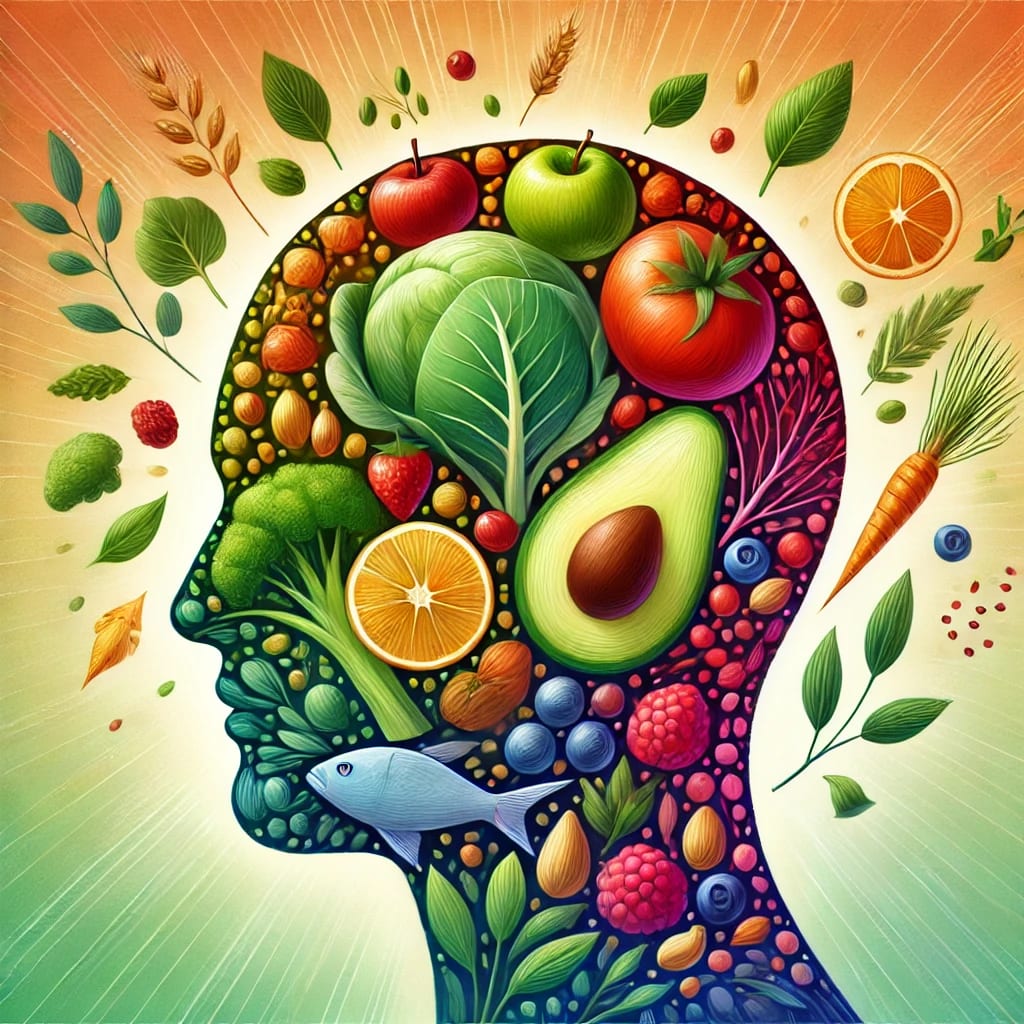
In recent years, the connection between nutrition and mental health has garnered significant attention. Emerging research suggests that what we eat profoundly influences our mood, cognitive function, and overall mental well-being. This article delves into the intricate relationship between diet and mental health, highlighting key nutrients, dietary patterns, and practical strategies to enhance mental well-being through nutrition.
Understanding the Gut-Brain Axis
The gut-brain axis is a bidirectional communication network linking the gastrointestinal tract and the brain. This connection underscores the impact of gut health on mental states. The gut microbiota, comprising trillions of microorganisms, plays a pivotal role in this interaction. A balanced gut microbiome contributes to the production of neurotransmitters like serotonin and dopamine, which regulate mood and emotions. Conversely, an imbalance, known as dysbiosis, can lead to inflammation and has been associated with mental health disorders such as depression and anxiety.
Key Nutrients Influencing Mental Health
1. Omega-3 Fatty Acids
Found in fatty fish (e.g., salmon, mackerel), flaxseeds, and walnuts, omega-3 fatty acids are essential for brain health. They have anti-inflammatory properties and are integral to neuronal function. Studies indicate that adequate omega-3 intake is linked to a reduced risk of depression and cognitive decline.
2. B Vitamins
Vitamins B6, B12, and folate are crucial for neurotransmitter synthesis and function. Deficiencies in these vitamins have been associated with mood disturbances and depression. Sources include leafy greens, legumes, eggs, and fortified cereals.
3. Antioxidants
Vitamins C and E, along with other antioxidants, combat oxidative stress, which can damage brain cells. A diet rich in fruits and vegetables provides these protective compounds, supporting mental health.
4. Amino Acids
Tryptophan and tyrosine are precursors to serotonin and dopamine, respectively. Adequate protein intake ensures a supply of these amino acids, influencing mood regulation. Sources include turkey, dairy products, soy, and nuts.
Dietary Patterns and Mental Health
Beyond individual nutrients, overall dietary patterns significantly impact mental health.
• Mediterranean Diet
Characterized by high consumption of fruits, vegetables, whole grains, legumes, nuts, and olive oil, the Mediterranean diet has been associated with a lower risk of depression. Its anti-inflammatory and antioxidant properties support brain health.
• Western Diet
High in processed foods, refined sugars, and saturated fats, the Western diet is linked to increased inflammation and a higher prevalence of mental health disorders. Reducing intake of these foods may benefit mental well-being.
The Impact of Sugar and Processed Foods
Excessive consumption of refined sugars and processed foods can lead to blood sugar fluctuations, affecting mood and energy levels. High sugar intake has been associated with an increased risk of depression and anxiety. Limiting these foods and opting for complex carbohydrates can stabilize blood sugar and support mental health.
Hydration and Mental Function
Adequate hydration is essential for cognitive function and mood regulation. Dehydration can impair concentration, increase feelings of anxiety, and negatively affect overall mental performance. Ensuring sufficient water intake throughout the day supports optimal brain function.
Practical Strategies for Enhancing Mental Health Through Nutrition
1. Incorporate a Variety of Whole Foods
Aim for a balanced diet rich in fruits, vegetables, whole grains, lean proteins, and healthy fats to provide essential nutrients for brain health.
2. Limit Processed Foods and Sugars
Reduce intake of processed snacks, sugary beverages, and fast food to decrease inflammation and stabilize mood.
3. Include Omega-3 Rich Foods
Incorporate fatty fish, flaxseeds, and walnuts into your diet to support neuronal function and reduce the risk of depression.
4. Stay Hydrated
Drink adequate water throughout the day to maintain cognitive function and prevent mood disturbances.
5. Consider Probiotics
Foods like yogurt, kefir, sauerkraut, and other fermented products can promote a healthy gut microbiome, positively influencing the gut-brain axis.
Conclusion
The intricate relationship between nutrition and mental health underscores the importance of dietary choices in influencing mood and cognitive function. By adopting a balanced diet rich in essential nutrients and minimizing processed foods, individuals can support their mental well-being. As research continues to unveil the complexities of the gut-brain connection, it becomes increasingly clear that nourishing the body is integral to nourishing the mind.
About the Creator
Keep reading
More stories from Jordan Henner and writers in Lifehack and other communities.
Teletherapy vs. In-Person Therapy: Which Is More Effective?
In recent years, the landscape of mental health treatment has undergone a significant transformation, largely due to advancements in technology and the global shift necessitated by the COVID-19 pandemic. Teletherapy, or online therapy, has emerged as a viable alternative to traditional in-person sessions, offering convenience and accessibility. However, this evolution raises a critical question: Is teletherapy as effective as in-person therapy?
By Jordan Hennerabout a year ago in Lifehack
Premium Gas Is Draining Your Wallet — Unless Your Engine Needs It
Have you ever wondered whether premium fuel could actually help your engine? Fuels rated at 91–93 octane do resist detonation better than lower-octane fuels, and in some cases they can burn more completely. But does that mean your engine will run better, last longer, or get more power?
By Jack Martin28 minutes ago in Lifehack
Being Human Is Heavy
No one tells you that being human comes with a weight you cannot put down. Not when you’re born, not when you learn to walk, not even when you learn to love. It arrives quietly, accumulating over years, stacking itself in invisible layers until one day you wake up tired for no clear reason. You blame sleep. You blame work. You blame age. But the truth is simpler and harder: being human is heavy.
By LUNA EDITH2 days ago in Lifehack



Comments
There are no comments for this story
Be the first to respond and start the conversation.