
The Role of Nutrition in Combating Chronic Diseases
Combating Chronic Diseases

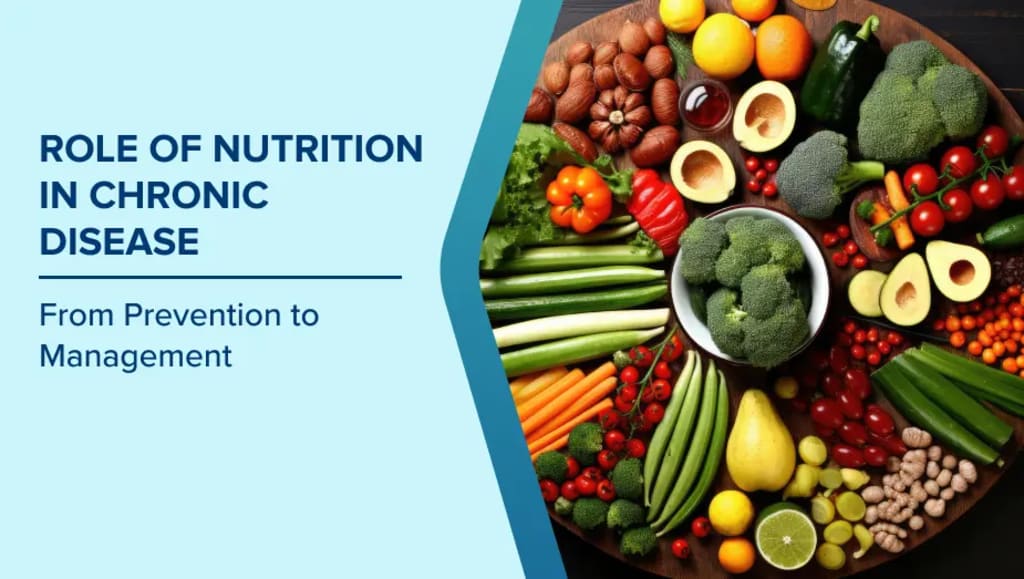
Chronic diseases such as diabetes, cardiovascular disorders, obesity, and cancer have become leading causes of mortality worldwide. A significant factor contributing to their prevalence is poor nutrition. As science continues to uncover the intricate relationship between diet and health, it has become evident that nutrition plays a pivotal role in preventing, managing, and even reversing chronic diseases.
Understanding Chronic Diseases and Their Causes
Chronic diseases are long-term conditions that develop over time due to a combination of genetic, environmental, and lifestyle factors. Poor dietary habits, including excessive consumption of processed foods, high sugar intake, and insufficient consumption of fruits and vegetables, are major contributors to these conditions. A diet lacking essential nutrients can lead to inflammation, oxidative stress, and metabolic imbalances, which are precursors to chronic diseases.
The Impact of Nutrition on Chronic Disease Prevention
Diabetes
Type 2 diabetes, a leading chronic condition, is closely linked to diet. Consuming a balanced diet rich in whole grains, lean proteins, and healthy fats can stabilize blood sugar levels and improve insulin sensitivity. For instance, fiber-rich foods like oats and legumes slow glucose absorption, reducing spikes in blood sugar.
Cardiovascular Diseases
Diets high in saturated fats, trans fats, and cholesterol are known to increase the risk of heart diseases. Conversely, incorporating heart-healthy foods such as fatty fish rich in omega-3 fatty acids, nuts, seeds, and leafy greens can lower bad cholesterol (LDL) and increase good cholesterol (HDL), reducing the risk of atherosclerosis and hypertension.
Obesity
Obesity is a critical risk factor for many chronic diseases. A nutrient-dense, calorie-controlled diet, combined with regular physical activity, is essential for maintaining a healthy weight. Emphasizing whole foods over calorie-dense processed options can help prevent obesity-related complications.
Cancer
Certain dietary patterns can influence cancer risk. Antioxidants found in fruits and vegetables combat free radicals, reducing oxidative stress that leads to cell damage and mutations. Additionally, phytochemicals in foods like berries, cruciferous vegetables, and green tea exhibit protective properties against cancer.
Nutrition as a Tool for Disease Management
Once a chronic disease develops, nutrition remains a cornerstone of effective management:
Personalized Diet Plans
Tailoring diets to individual needs based on age, weight, genetic predisposition, and specific medical conditions ensures optimal results. For instance, a low-sodium diet is crucial for hypertensive patients, while those with kidney disease require protein intake adjustments.
Anti-inflammatory Diets
Chronic inflammation is a common underlying factor in many diseases. Diets rich in anti-inflammatory foods like turmeric, ginger, olive oil, and fatty fish can alleviate symptoms and prevent disease progression.
Glycemic Control
For individuals with diabetes, monitoring carbohydrate intake and opting for low-glycemic-index foods helps maintain steady blood sugar levels. Examples include whole grains, legumes, and non-starchy vegetables.
Plant-based Diets
Increasingly, research highlights the benefits of plant-based diets in managing chronic diseases. Rich in fiber, vitamins, and antioxidants, such diets can lower cholesterol, improve gut health, and enhance overall vitality.
The Role of Nutritional Education and Awareness
Promoting awareness about the importance of nutrition is crucial in combating chronic diseases. Educational programs in schools, workplaces, and communities can empower individuals to make informed dietary choices. Simple initiatives, such as teaching meal preparation and reading food labels, can significantly improve nutritional habits.
Healthcare providers also play a vital role. Integrating nutrition counseling into routine care ensures patients receive guidance tailored to their unique needs. Registered dietitians and nutritionists can work alongside doctors to design comprehensive care plans that prioritize dietary interventions.
Challenges and Solutions
Accessibility to Healthy Foods
Many individuals face barriers to accessing nutritious foods due to economic or geographical constraints. Addressing these disparities requires community-level initiatives such as subsidized farmers’ markets, urban farming projects, and government programs providing healthy meal options.
Misinformation
The prevalence of misleading dietary information online can confuse individuals seeking reliable guidance. Public health campaigns and trusted resources can counteract misinformation by disseminating evidence-based advice.
Behavioral Change
Shifting dietary habits can be challenging, especially for those accustomed to unhealthy eating patterns. Behavioral interventions, such as goal setting, habit tracking, and positive reinforcement, can support sustainable change.
Future Directions in Nutritional Science
Advances in nutritional science are paving the way for more precise dietary recommendations. The emerging field of nutrigenomics explores how genetic variations influence individual responses to nutrients. By understanding a person’s genetic makeup, healthcare providers can develop personalized nutrition plans to optimize health outcomes.
Furthermore, technology is transforming nutrition through innovations like wearable devices that track dietary intake and metabolic responses. These tools empower individuals to make real-time adjustments to their diets, enhancing adherence and effectiveness.
Conclusion
Nutrition is a powerful tool in the fight against chronic diseases. By emphasizing the consumption of whole, nutrient-rich foods and minimizing processed options, individuals can significantly reduce their risk of developing these conditions. Moreover, adopting personalized and evidence-based dietary strategies can improve disease management, enhancing quality of life for those already affected.
Collaboration among individuals, healthcare providers, and policymakers is essential to create environments that promote healthy eating. As nutritional science continues to evolve, it offers hope for a future where chronic diseases are less prevalent and more manageable through the simple yet profound act of nourishing the body with the right foods.
About the Creator
Keep reading
More stories from bishal minj and writers in Lifehack and other communities.
Innovations in Personalized Medicine and Gene Therapy
The fields of personalized medicine and gene therapy have emerged as transformative forces in healthcare, offering tailored solutions to treat and prevent diseases at an individual level. By leveraging advancements in genomics, biotechnology, and data science, these innovations are reshaping the future of medicine, moving away from one-size-fits-all approaches to more precise and effective interventions.
By bishal minjabout a year ago in Lifehack
The Consequence of Greed
Snowfall had turned the lush green trees of the forest completely white. It was the heart of winter, and as soon as the snow began to fall, a deep silence spread through the jungle. The animals who had wisely stored food before the cold arrived were now resting comfortably in their homes, eating and drinking without worry. But those who had made no preparations were shivering in the freezing weather, wandering around in search of food.
By Sudais Zakwan4 days ago in Lifehack
The Hidden Traps in UK VAT That Cost Small Businesses Thousands
Every year, thousands of UK small businesses face unexpected tax bills, penalties, and sleepless nights over VAT mistakes they didn't even know they were making. The numbers tell a sobering story: HMRC issued over £800 million in VAT penalties in 2023 alone, with small businesses bearing a disproportionate share of that burden.
By Saifullah Awan 2a day ago in Lifehack
The CEO of Everything
They say "jack of all trades, master of none," but they forgot to mention the part where the jack of all trades is also the camera woman, the makeup artist, and the person currently yelling at a tangled Wii microphone cable in a her own bathroom while recording herself singing and trying to make it look realistic and professional. (As professional as you can make it with nothing but a cell phone camera and a mic that doesn't work)
By Sara Wilson5 days ago in Humans



Comments
There are no comments for this story
Be the first to respond and start the conversation.