
Innovations in Personalized Medicine and Gene Therapy
Medicine and Gene Therapy

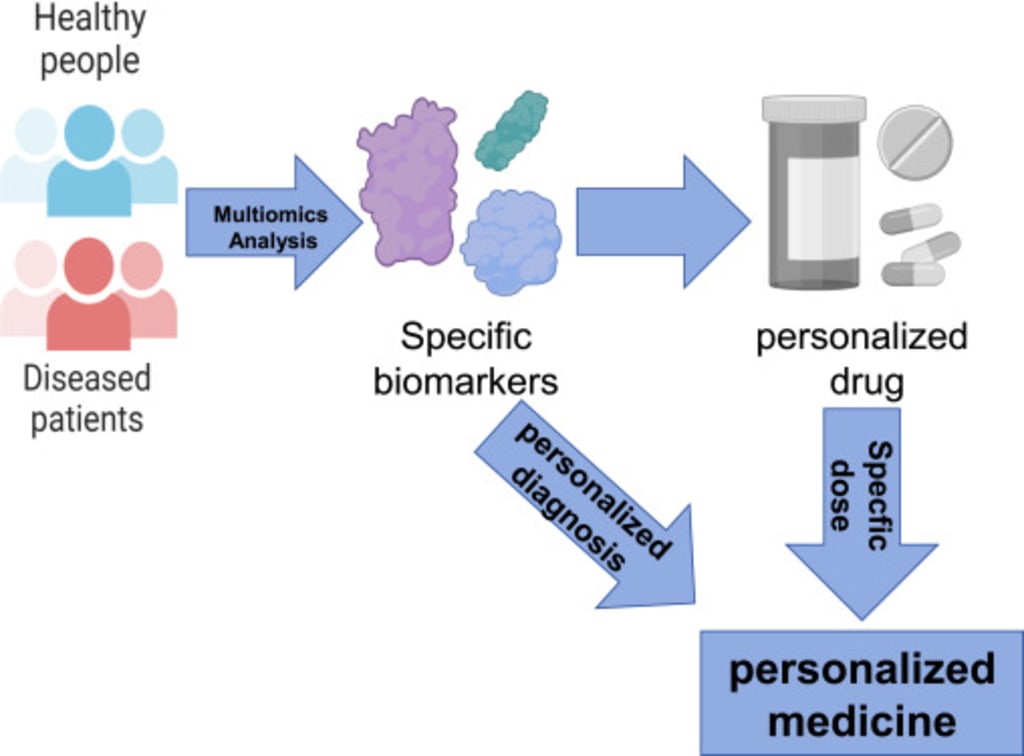
The fields of personalized medicine and gene therapy have emerged as transformative forces in healthcare, offering tailored solutions to treat and prevent diseases at an individual level. By leveraging advancements in genomics, biotechnology, and data science, these innovations are reshaping the future of medicine, moving away from one-size-fits-all approaches to more precise and effective interventions.
Understanding Personalized Medicine
Personalized medicine, also known as precision medicine, tailors medical treatment to the individual characteristics of each patient. This approach considers factors such as genetic makeup, environment, and lifestyle to optimize diagnosis, prevention, and treatment strategies. Unlike traditional medicine, which often employs standardized treatments, personalized medicine aims to deliver the right treatment to the right patient at the right time.
Genomic technologies, particularly next-generation sequencing, play a pivotal role in personalized medicine. By analyzing a person’s genetic profile, healthcare providers can identify specific genetic variations associated with diseases, enabling earlier detection and targeted therapies. For instance, genetic testing for BRCA1 and BRCA2 mutations helps identify individuals at higher risk for breast and ovarian cancer, allowing for preventive measures or tailored treatment plans.
Gene Therapy: A Revolutionary Approach
Gene therapy involves modifying or replacing faulty genes to treat or prevent diseases. This cutting-edge technique targets the root cause of genetic disorders rather than merely addressing symptoms. By delivering therapeutic genes into a patient’s cells, gene therapy holds promise for curing previously untreatable conditions.
One of the most significant breakthroughs in gene therapy is the development of CRISPR-Cas9 technology, a powerful genome-editing tool. CRISPR enables precise modifications to DNA, allowing scientists to correct genetic mutations or disable harmful genes. Clinical trials using CRISPR have shown promising results in treating conditions like sickle cell anemia, beta-thalassemia, and certain types of cancer.
Applications and Success Stories
The applications of personalized medicine and gene therapy span a wide range of medical conditions, including:
Cancer Treatment
Personalized medicine has revolutionized oncology through targeted therapies and immunotherapies. Drugs like trastuzumab (Herceptin) for HER2-positive breast cancer and pembrolizumab (Keytruda) for cancers with specific genetic markers exemplify the impact of precision medicine.
Gene therapy approaches, such as CAR-T cell therapy, engineer a patient’s immune cells to recognize and destroy cancer cells, offering hope for refractory cancers.
Rare Genetic Disorders
Gene therapy has shown remarkable success in treating rare genetic conditions like spinal muscular atrophy (SMA) and inherited retinal diseases. Zolgensma, a gene therapy for SMA, delivers a functional copy of the faulty gene, significantly improving patients’ quality of life.
Cardiovascular and Metabolic Diseases
Precision medicine helps identify genetic predispositions to conditions like hypertension, diabetes, and hypercholesterolemia. Tailored interventions, including lifestyle modifications and pharmacogenomics-guided drug selection, enhance treatment outcomes.
Infectious Diseases
Personalized approaches have improved the management of infectious diseases. For example, pharmacogenomics can guide antiretroviral therapy for HIV patients, optimizing drug efficacy and minimizing side effects.
Challenges and Ethical Considerations
While personalized medicine and gene therapy hold immense promise, they also present significant challenges:
Cost and Accessibility
The high cost of genomic testing and gene therapies limits access for many patients. Expanding affordability and integrating these technologies into public health systems are crucial for equitable healthcare.
Data Privacy and Security
The use of genetic data raises concerns about privacy and potential misuse. Robust policies and regulations are needed to protect patients’ genetic information.
Ethical Dilemmas
Gene editing, particularly germline editing, poses ethical questions about unintended consequences, designer babies, and altering the human genome. Striking a balance between innovation and ethical responsibility is essential.
The Future of Medicine
The future of personalized medicine and gene therapy is bright, with ongoing research and technological advancements driving progress. Artificial intelligence and machine learning are enhancing the interpretation of genomic data, enabling more accurate predictions of disease risk and treatment response. Biobanks and large-scale genomic databases are facilitating population-wide studies, uncovering new insights into complex diseases.
Gene therapy is also expanding its reach beyond rare genetic disorders. Researchers are exploring its potential in treating neurodegenerative diseases like Alzheimer’s and Parkinson’s, as well as chronic conditions like arthritis and asthma. Additionally, the advent of in vivo gene editing—directly modifying genes within the body—promises to simplify treatment delivery and improve efficacy.
Conclusion
Innovations in personalized medicine and gene therapy are revolutionizing healthcare by providing tailored solutions to complex medical challenges. By harnessing the power of genomics and biotechnology, these approaches offer hope for more effective treatments, earlier interventions, and improved quality of life for patients. However, addressing challenges related to cost, accessibility, and ethics is essential to ensure that these breakthroughs benefit all of humanity.
As research continues to advance, the integration of personalized medicine and gene therapy into mainstream healthcare has the potential to transform the way we diagnose, treat, and prevent diseases, ushering in a new era of precision medicine.
About the Creator
Keep reading
More stories from bishal minj and writers in Lifehack and other communities.
Mental Health Awareness and Coping Strategies
In recent years, mental health awareness has grown significantly, with more people acknowledging its importance alongside physical health. Yet, despite the progress, misconceptions and stigma about mental health issues persist, often discouraging individuals from seeking help. Addressing this challenge requires not only raising awareness but also providing effective coping strategies to foster resilience and well-being.
By bishal minjabout a year ago in Lifehack
The Smartphone Feature Everyone Praises
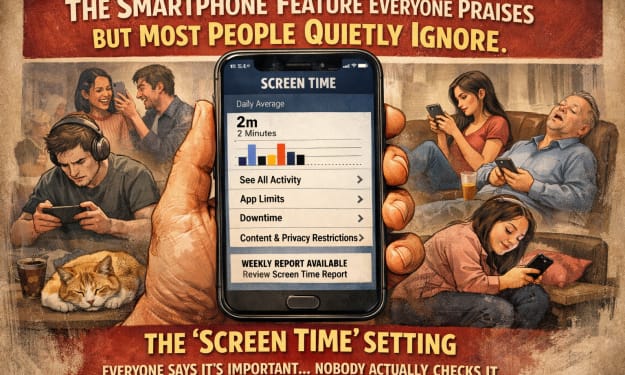
There’s always at least one smartphone feature that gets universal praise. Reviewers highlight it. Launch events emphasize it. Comment sections fill with excitement. On paper, it sounds like the kind of innovation people have been waiting for.
By abualyaanartabout an hour ago in Lifehack
Top Seattle Mobile App Development Trends to Watch in 2026
The moment often comes quietly. A leadership team reviews last year’s mobile roadmap and realizes how much has already shifted. Costs are higher. Users are less patient. Regulations feel closer. What worked even two years ago now feels slightly outdated.
By Samantha Blake2 days ago in Lifehack


Comments
There are no comments for this story
Be the first to respond and start the conversation.