
The Rise of AI in Education:
Empowering Learners for a Brighter Future
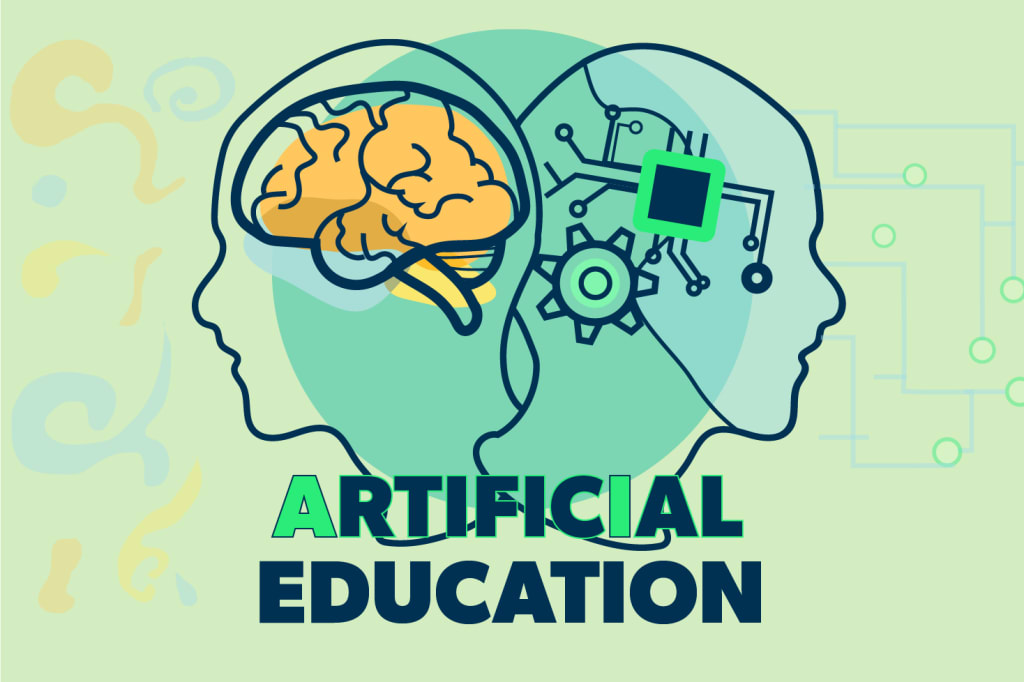
The Rise of AI in Education: Empowering Learners for a Brighter Future
Artificial Intelligence (AI) is revolutionizing every aspect of our lives, and education is no exception. As educators strive to meet the diverse needs of students and prepare them for an increasingly complex world, AI offers unprecedented opportunities to personalize learning, improve outcomes, and unlock each student's full potential. In this article, we explore the transformative power of AI in education, with inspiring real-life examples that demonstrate its impact on learners worldwide.
Personalized Learning: Tailoring Education to Individual Needs
One of the most significant contributions of AI in education is its ability to personalize learning experiences for each student. By analyzing vast amounts of data, including student performance, preferences, and learning styles, AI algorithms can create customized learning paths that cater to individual needs and strengths.
Real-Life Example: Khan Academy
Khan Academy, a nonprofit educational platform, uses AI to provide personalized learning experiences to millions of students worldwide. The platform's adaptive learning algorithms assess each student's proficiency level and progress, delivering targeted exercises and instructional videos to address areas of weakness. This personalized approach empowers students to learn at their own pace, fostering a deeper understanding of concepts and boosting academic achievement.
Intelligent Tutoring Systems: Providing Instant Feedback and Support
AI-powered intelligent tutoring systems offer students immediate feedback and support, helping them master challenging concepts and overcome learning obstacles in real time.
Real-Life Example: Carnegie Learning's MATHia
Carnegie Learning's MATHia is an AI-driven tutoring system that provides personalized math instruction to students. The system analyzes student responses and performance data to identify areas of difficulty, offering targeted interventions and scaffolding to support learning. MATHia's adaptive feedback and interactive exercises engage students in meaningful practice, leading to improved confidence and proficiency in mathematics.
Augmented Reality and Virtual Reality: Immersive Learning Experiences
AI-driven augmented reality (AR) and virtual reality (VR) technologies are transforming traditional classroom environments into immersive learning experiences that captivate students' attention and enhance their understanding of complex concepts.
Real-Life Example: zspace
zSpace, an AR and VR educational platform, uses AI to create interactive learning environments where students can explore virtual simulations and manipulate digital objects in 3D space. From dissecting virtual frogs to exploring historical landmarks, zSpace offers hands-on learning experiences that engage students and deepen their understanding of STEM subjects. By combining AI with immersive technologies, zSpace sparks curiosity and creativity, inspiring students to explore new realms of knowledge.
Adaptive Assessment: Gauging Mastery and Identifying Learning Gaps
AI-powered adaptive assessment tools use machine learning algorithms to analyze student responses and assess their mastery of learning objectives. These tools provide educators with valuable insights into student progress and learning gaps, enabling targeted interventions and differentiated instruction.
Real-Life Example: Dream Box Learning
Dream Box Learning is an adaptive math assessment and tutoring platform that uses AI to gauge student understanding and tailor instruction accordingly. The platform's adaptive learning engine analyzes student responses to math problems, adjusting the difficulty and content of subsequent lessons based on individual performance. DreamBox's data-driven approach empowers educators to identify areas of weakness and intervene early, ensuring that all students receive the support they need to succeed.
Language Learning: Enhancing Communication Skills
AI-powered language learning platforms offer students personalized instruction and feedback to develop their communication skills in foreign languages.
Real-Life Example: Duolingo
Duolingo, a popular language learning app, uses AI to provide personalized lessons and practice exercises tailored to each learner's proficiency level and learning pace. The app's adaptive algorithms assess student performance and adjust the difficulty of lessons accordingly, ensuring that learners are appropriately challenged. Duolingo's gamified approach to language learning makes it fun and engaging for students of all ages, motivating them to achieve fluency in new languages.
Closing the Opportunity Gap: Expanding Access to Quality Education
One of the most transformative aspects of AI in education is its potential to close the opportunity gap and expand access to quality education for all students, regardless of their background or circumstances.
Real-Life Example: AI-powered Tutoring for Underserved Communities
AI-powered tutoring programs, such as those offered by organizations like Code.org and Girls Who Code, provide underserved students with access to high-quality educational resources and support in STEM subjects. These programs leverage AI to deliver personalized instruction and mentorship, empowering students from diverse backgrounds to pursue careers in technology and innovation. By breaking down barriers to entry and providing equitable learning opportunities, AI is leveling the playing field and paving the way for a more inclusive and diverse workforce.
Conclusion: Empowering Learners for a Brighter Future
As we embrace the transformative power of AI in education, we have the opportunity to revolutionize the way we teach and learn, empowering students to reach their full potential and succeed in a rapidly changing world. From personalized learning experiences to immersive virtual simulations, AI offers endless possibilities for innovation and advancement in education.
By harnessing the capabilities of AI, educators can create dynamic and engaging learning environments that inspire curiosity, foster creativity, and cultivate critical thinking skills in students. Together, we can harness the power of AI to build a brighter future for generations to come,
About the Creator
How to Personalize Socks for a Woman's Memorable Birthday Gift
Socks may sound like a simple present. Yet when you personalize them, they can feel warm and thoughtful. They are also easy to ship and easy to size. A pair of socks can match her style and remind her of you each time she wears them.
By Alice Carry3 days ago in Lifehack
Affection and Healing for Yourself
During the night of the last quarter moon, I gathered my ritual supplies. I carefully handled the chunk of black tourmaline that would protect me from your overall negative and narcissistic energy. I carefully walked the house with my stick of selenite in hand, asking the universe to cleanse our working space.
By Alisha Wilkins ✒️🦋🖋️4 days ago in Fiction


Comments
There are no comments for this story
Be the first to respond and start the conversation.