
AI in Everyday Life
7 Ways Artificial Intelligence is Already Here

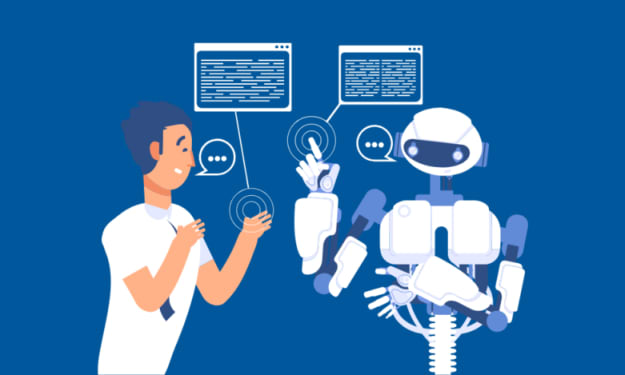
Artificial Intelligence (AI) is not just a futuristic concept; it is already deeply embedded in our daily lives. From the way we communicate to how we shop, AI is transforming our routines, often in ways we might not even notice. Here are seven inspiring and engaging examples of how AI is seamlessly integrated into our everyday experiences.
1. Virtual Assistants: Enhancing Productivity
Virtual assistants like Siri, Google Assistant, and Alexa have become household names, helping us manage our lives more efficiently. These AI-powered tools can set reminders, answer questions, play music, and even control smart home devices.
Real-Life Example: Amazon Alexa
Amazon Alexa is a prime example of how virtual assistants are enhancing productivity. Alexa can manage your calendar, order groceries, and even read bedtime stories to your children. For instance, a busy parent can use Alexa to create a shopping list while cooking dinner, ensuring they don't forget essential items. This hands-free convenience is transforming how we manage daily tasks.
2. Personalized Recommendations: Tailoring Your Experience
AI algorithms analyze our behavior to provide personalized recommendations, whether it’s the next show to binge-watch or the perfect pair of shoes to buy. These recommendations make our online experiences more enjoyable and efficient.
Real-Life Example: Netflix
Netflix’s recommendation system is powered by AI, which analyzes viewing history, ratings, and preferences to suggest shows and movies tailored to each user. This personalization keeps users engaged and ensures they spend more time enjoying content they love. By understanding individual tastes, Netflix has redefined the entertainment experience, making it more customized and satisfying.
3. Smart Home Devices: Creating a Connected Home
AI is at the heart of smart home technology, making our living spaces more efficient, comfortable, and secure. From thermostats that learn your schedule to security systems that recognize faces, AI is creating homes that adapt to our needs.
Real-Life Example: Nest Thermostat
The Nest Learning Thermostat uses AI to learn your heating and cooling preferences and adjust accordingly. Over time, it creates a personalized schedule, optimizing energy use and saving money. Imagine coming home to a perfectly warm house on a cold day without having to adjust the thermostat manually—Nest makes that possible.
4. Health and Fitness: Personalizing Wellness
AI is revolutionizing health and fitness by providing personalized workout plans, tracking progress, and even detecting potential health issues early.
Real-Life Example: Fitbit
Fitbit devices use AI to analyze your activity levels, sleep patterns, and heart rate, providing insights and recommendations to improve your health. For example, if your Fitbit notices a decline in your activity, it might suggest goals to get you back on track. This personalized feedback helps users stay motivated and make informed decisions about their health.
5. Customer Service: Improving Efficiency and Satisfaction
AI-powered chatbots and customer service tools are transforming how businesses interact with customers, offering instant responses and resolving issues efficiently.
Real-Life Example: Chatbots in E-commerce
Many e-commerce platforms use AI chatbots to assist customers with their inquiries. For example, Sephora’s chatbot helps users find products, provides makeup tutorials, and even books in-store appointments. By offering 24/7 assistance, chatbots enhance customer satisfaction and free up human agents to handle more complex queries.
6. Language Translation: Bridging Communication Gaps
AI-driven translation tools are breaking down language barriers, enabling seamless communication across different languages and cultures.
Real-Life Example: Google Translate
Google Translate uses AI to provide real-time translation of text, speech, and even images. This tool is invaluable for travelers, international business communication, and anyone learning a new language. Imagine being able to understand and communicate in a foreign country without knowing the language—Google Translate makes this possible.
7. Autonomous Vehicles: Redefining Transportation
While fully autonomous vehicles are still in development, AI is already enhancing driving safety and convenience through advanced driver-assistance systems (ADAS).
Real-Life Example: Tesla’s Autopilot
Tesla’s Autopilot uses AI to provide features like lane-keeping, adaptive cruise control, and automatic lane changes. These features reduce the burden on drivers and enhance road safety. For instance, Tesla’s Autopilot can take over during long highway drives, allowing the driver to relax while the car maintains speed and lane position.
Conclusion: Embracing the AI Revolution
AI is not a distant dream; it is an integral part of our present. These examples show how AI is enhancing productivity, personalizing experiences, and improving convenience in our daily lives. From smart home devices to personalized fitness trackers, AI is making our routines more efficient and enjoyable.
As we continue to integrate AI into more aspects of our lives, the potential for innovation and improvement is limitless. Embracing AI means welcoming a future where technology works seamlessly with us, enhancing our abilities and enriching our experiences. The AI revolution is here, and it is transforming our everyday lives in remarkable ways.
About the Creator
How to Save Money When You Live Paycheck to Paycheck
Saving money feels impossible when paying bills and putting food on the table becomes a weekly struggle. It seems like Pac-Man swoops in and gobbles up all the bills the second your paycheck hits the bank. But there’s always room to save. Life happens. It's better to be prepared for those rainy days than caught in the storm. Get your savings on by making small lifestyle changes. A few tweaks can help uncover money you didn’t realize you had. Put the money toward your nest egg and leave one worry behind. Check out the simple ways you can reduce costs and save money.
By Criminal Mattersabout 22 hours ago in Lifehack



Comments
There are no comments for this story
Be the first to respond and start the conversation.