
The Power of Gardening:
How to Turn Exercise into Leisure and Boost Your Mood

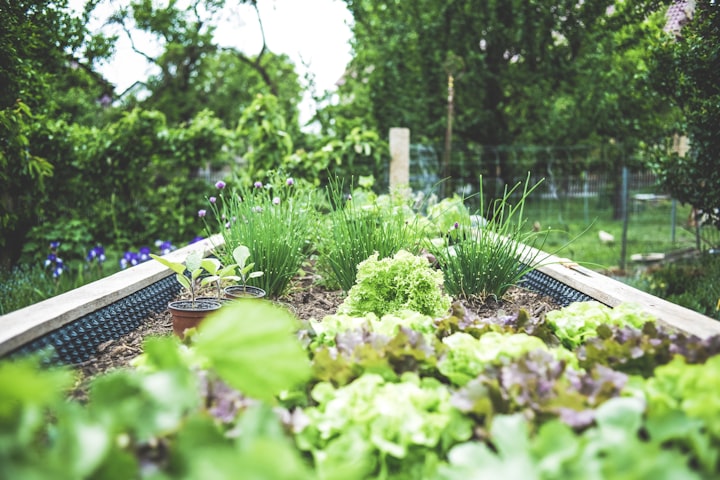
Need a more positive and fulfilling lifestyle? look no further than your own backyard. Gardening is a fun and rewarding hobby that offers many physical, mental, and emotional benefits. In this article, we'll explore the ways in which gardening can promote positivity and mindfulness, and provide tips on how to turn gardening into a form of exercise and leisure. Whether you're a seasoned gardener or a newbie, this article will inspire you to dig deeper into the world of gardening and discover the many ways in which it can enhance your life.
The Power of Gardening: How to Turn Exercise into Leisure and Boost Your Mood
Gardening is a form of exercise that is both enjoyable and beneficial for your mental health. It can improve mood, reduce anxiety and stress, enhance memory retention, increase creativity, productivity, and attention, mitigate PTSD, and improve self-esteem.
Getting outside and planting can be good for more than just your body and the food on your table. It can also be good for your mind.
Experts say that one of the most essential things about plants is how they improve mental health and a person's overall attitude. There are many practical benefits to gardening, and plants have their own ways of making life better.
As many people already knew and others discovered during the pandemic, plant-related hobbies like gardening offer an opportunity to enjoy nature and give a person a more positive outlook on life. As more people did things at home because of the pandemic, more of them became interested in gardening. Being in nature, and doing things like gardening can make you feel more alive and full of energy.
As a result, this has a big positive effect on a person's mental well-being as a whole. Taking care of plants help keep the mind busy and put you in a calmer, more relaxed state.
Growing Your Own Food
It's not a new idea to grow your own food in a garden. It was a very important way for past generations to get food and be healthy and eat stable food. Over time, the need for vegetable plots has changed. Even though grocery shops make it easy and cheap to get food, gardening, even in allotments is becoming more popular.
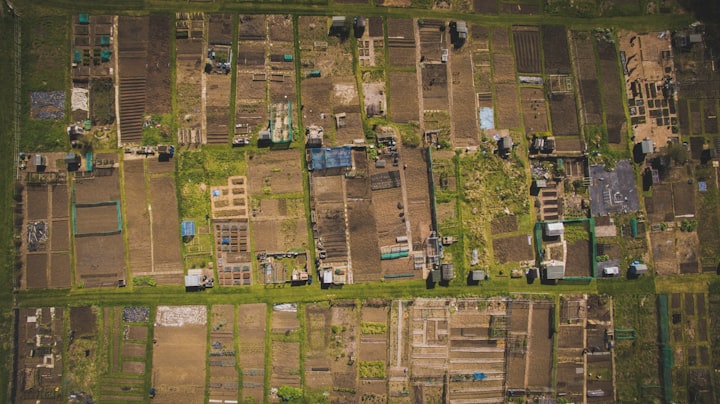
A study found that the COVID-19 pandemic made people more interested in gardening. People stayed at home more and went to their gardens to connect with nature, relieve stress, and grow food.
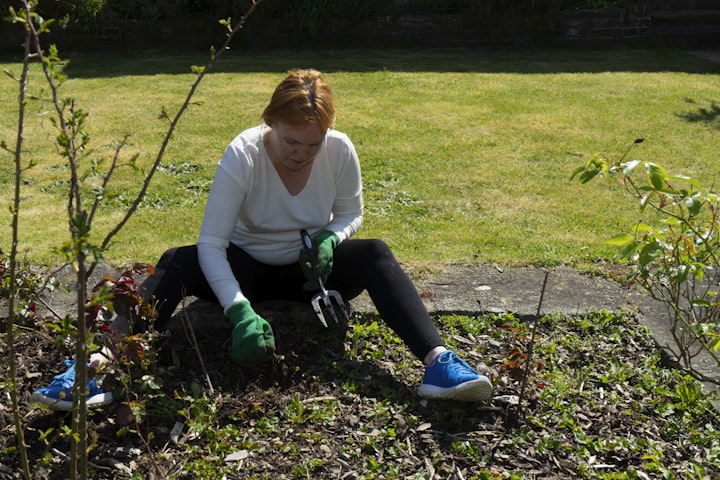
I've been taking care of big flower and vegetable gardens at my home for 40 years. Seeing the plants grow and change is both a challenge and a pleasure. Working hard in the garden for a day might be a healthy way to burn calories. In fact with gardening, you engage in the kind of functional activity that simulates a full-body workout. While pulling weeds, you squat and lunge. Lifting heavy bags of mulch and other materials strengthens your upper body and back. Physical exertion is sometimes required for tasks such as digging, raking, and pushing a lawn mower.
Possible calorie burn equivalent to a gym session. You may experience some muscle soreness after a full day of gardening if you aren't used to manual labour. Strength, flexibility, and balance are all areas that will benefit from gardening.
If mobility is a problem, gardening can still be done with some modifications such as a step, a stool, raised beds, or smaller containers can make gardening possible.
Improving Your Diet
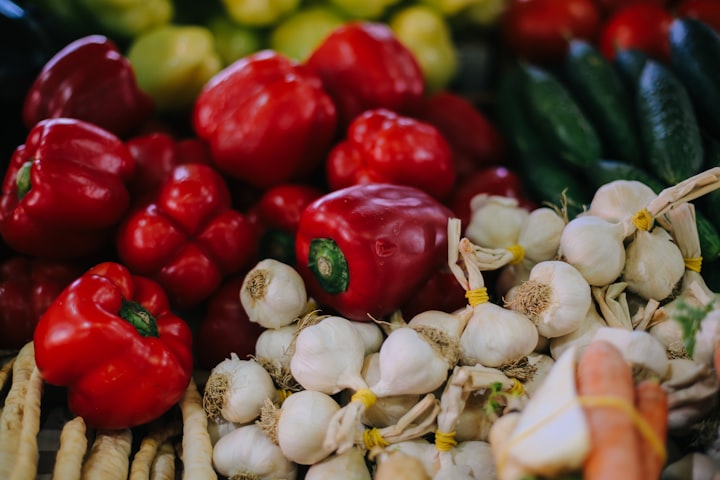
If you're looking to improve your diet, What better way than trying to grow and eat some of your own fruits and veggies? Vegetables are an important element of a healthy, balanced diet, and gardeners are more inclined to eat them. Corn, potatoes and homemade salsa are perennial garden staples in my household.
The health advantages of various veggies vary greatly. Capsaicin, found in peppers, has anti-inflammatory qualities and may help lower the risk of cardiovascular disease. Vitamin C and potassium are both abundant in tomatoes. They also have the antioxidant lycopene, which has been shown to lower the incidence of prostate cancer. Beta carotene, an antioxidant found in abundance in sweet potatoes, has been linked to a reduced risk of cancer and a slowed rate of ageing. Broccoli and spinach both help prevent cell damage, which can improve your immune system.
Gardening Downtime
Getting some fresh air and exercise is beneficial for both your body and mind. When outside, most people take deeper breaths. This boosts oxygen levels in the blood, aids digestion, strengthens the immune system, and helps clear the lungs. It has been established that being outside lowers blood pressure and muscle tension. The sun's rays have been shown to reduce hypertension and raise vitamin D levels.
Gardening, like most physical activities, can help you relax and unwind. There is evidence that it improves mood and reduces stress and anxiety. Growing and eating your own food, also the thought of giving some of it away is a tremendously satisfying experience.
Daily routines help us feel more in control of our lives and have been shown to benefit our mental health. Stress relief can be found in the repetitive motion of gardening tasks like watering and weeding.
After a long day at work, I always make sure everyone is okay at home before heading outside to work on my garden for an hour or two. After a busy day, I enjoy unwinding by spending some time in the garden and removing weeds. It's a chance to relax, make preparations, or figure something out in one's head.
People who share a love of gardening tend to have closer relationships with one another. There are many people in the gardening world who are happy to help out newcomers by sharing their knowledge, time, and even plants. Volunteers with the Master Gardener programme work in their communities to train and mentor other gardeners. People from all walks of life can come together to accomplish something in a community garden. It's common for gardeners to bond through shared experiences, whether it's a triumph or a failure.
Maintaining meaningful relationships can help you manage your stress, strengthen your resilience, and find solace in the face of adversity. Depression, anxiety, and thoughts of suicide are less likely among those who have a deep sense of community.
Conclusion
The best thing about gardening for me is all the new friends I've made in gardening clubs. My neighbourhood gets together every spring to plan out our food plots. What went well and what could be improved upon from the previous year are topics of conversation. The surplus of summer's harvest is shared amongst us. Every year in the autumn, we get together for a barbecue to celebrate the bounty of the season. All of these things enrich our time in the garden and help us grow closer to one another.
About the Creator
Barry Hake
Hi I'm Barry an avid journal keeper, documenting my personal and professional growth. Embracing retirement, at the age of 67 I am seeking new ways to enhance my skills and inspire others. Join me on my #PositiveLiving #RetirementAdventures!
Keep reading
More stories from Barry Hake and writers in Lifehack and other communities.
Lily's Thoughts Are Truly Magical
In a quaint village surrounded by rolling meadows and sparkling streams, there lived a young woman named Lily. She possessed an extraordinary gift her thoughts had a touch of pure magic. Whenever she closed her eyes and delved deep into meditation, vivid images would flood her mind with incredible clarity.
By Barry Hake3 years ago in Lifehack
SEO Mentor Nestor Vazquez and a Different Way of Understanding Search
In many discussions about digital marketing, search engine optimization is often presented as a technical discipline. Articles tend to focus on rankings, backlinks, analytics dashboards, and algorithm updates. While these elements are certainly part of the field, they do not fully explain how people actually learn to understand search.
By House Doctorabout 12 hours ago in Lifehack
How to Find Penny Items at Dollar General
Imagine walking into Dollar General and walking out with a cart filled with items that cost you a total of less than a dollar. The lucky few who snag penny items certainly have experienced the adrenaline and happiness it creates. If you want to feel like a Queen (or king) for a day, read below to learn how you can become a DG penny-aire.
By Criminal Mattersabout 6 hours ago in Lifehack



Comments (1)
Decide what plants you want to grow in your garden. The choice depends on the climate, soil composition and your preferences. Fruit trees, shrubs, flowers and vegetables - the variety of possibilities allows you to create a unique garden that reflects your taste and style. Develop a planting plan taking into account light, moisture and plant size needs. Make sure you follow the conditions for preserving your plants to avoid problems in the future. You can find more valuable information on this here https://gardeniaorganic.com/are-annual-perennial-or-biennial-plants-better/