
The Mysterious Case of the Faulty Boiler
A Guide to Getting Your Heat Back

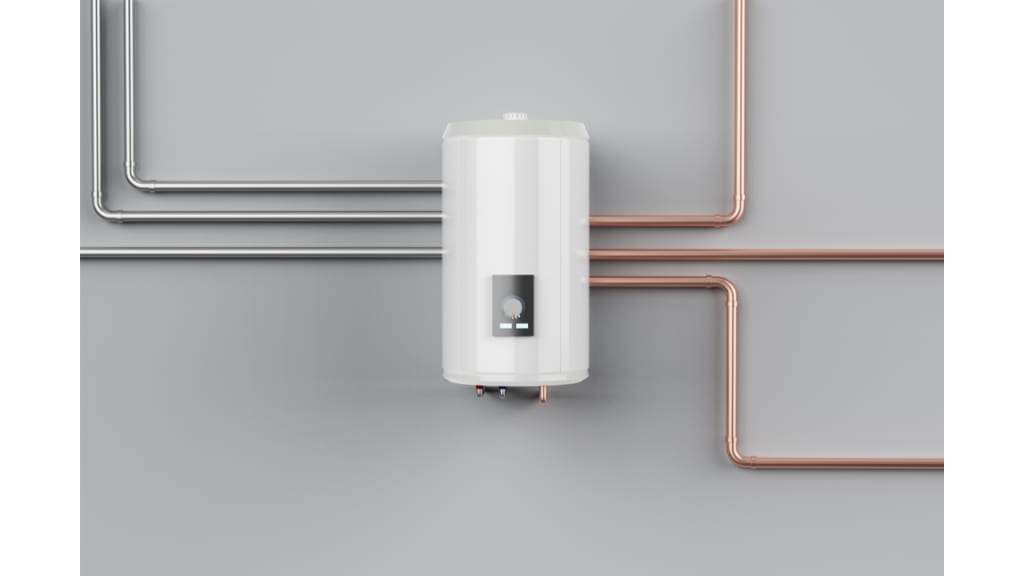
There are few things more unsettling than the sudden silence of your home’s heating system. You walk by, and instead of the familiar low hum, there is nothing. A quick check of the thermostat confirms your fear: the house is getting colder, and your boiler, the silent hero of your winter comfort, has gone on strike. This is the moment when panic can set in, but before you rush to dial an emergency repair service, take a deep breath. Understanding the basics of boiler repair can empower you to troubleshoot minor issues and, more importantly, know when to call in the professionals.
One of the most common issues is a lack of heat or hot water. This can feel like a major disaster, but the cause is often surprisingly simple. Start by checking your thermostat. Is it set to the correct temperature? Are the batteries still working? It might sound obvious, but you’d be surprised how often a dead battery is the culprit. If the thermostat is not the problem, turn your attention to the boiler’s pressure gauge. Most boilers operate best within a pressure range of one to two bars. If the needle is below one, your boiler might have a safety feature that prevents it from firing up. You may be able to repressurize it yourself by following your boiler’s manual, but be sure to do so carefully to avoid overfilling the system.
Another frequent complaint is the strange noises coming from your unit. Boilers are not supposed to be musical. If you hear a banging, gurgling, or a high-pitched whistling, your boiler is trying to tell you something is wrong. A banging or kettling noise is often caused by a buildup of limescale and sludge inside the heat exchanger. This debris restricts water flow and causes the water to boil, which creates the sound. Gurgling noises, on the other hand, usually signal trapped air in the system. This can be solved by bleeding your radiators. You will need a radiator key and a rag to catch any water that comes out.
A leaking boiler is a much more serious matter. Water leaking from your boiler is a red flag that should not be ignored. Leaks can result from a corroded pipe, a faulty pump seal, or an issue with the pressure valve. Even a small leak can lead to significant water damage and can pose a safety risk, especially if the water comes into contact with electrical components. If you discover a leak, turn off the water supply to the boiler and the electricity at the fuse box.
While these simple checks can resolve some issues, there are many times when professional help is essential. Never attempt a repair that involves gas lines, complex electrical components, or significant internal boiler parts. These tasks are dangerous and require the specific knowledge and certification of a licensed professional. When you smell gas, see a yellow pilot light instead of a blue one, or your boiler is consistently breaking down despite your troubleshooting efforts, it is time to make the call.
Don’t let a faulty boiler leave you in the cold. Understanding these common problems and knowing when to seek expert help can make all the difference. For reliable, safe, and efficient boiler repair services, contact a certified technician today to ensure your home stays warm and comfortable all year long.
About the Creator
Keep reading
More stories from The Weekend Project and writers in Lifehack and other communities.
The Rise of Smart Air Purifiers
In an age where technology seamlessly integrates into our homes, even the air we breathe is becoming smarter. While many homeowners are familiar with the benefits of a well-maintained HVAC system or a reliable air conditioner repair in Odessa, a new wave of devices is taking indoor air quality to the next level. Smart air purifiers represent a significant evolution from their traditional counterparts, promising not just cleaner air, but a more convenient and data-driven approach to home health. But beyond the flashy features and smartphone connectivity, do these intelligent devices truly offer a worthwhile return on investment? This article explores the capabilities, benefits, and long-term value of smart air purifiers to help you make an informed decision.
By The Weekend Project6 months ago in Lifehack
Don't Miss The Fun Extras Offered by Your Favorite Companies
National retailers know the way to a customer’s heart is by giving them a little something extra. Many companies offer customers incentives such as free goodies, sample boxes, and workshops. The problem is that many of the offers aren’t widely advertised. Are you missing out on cool extras from your favorite companies?
By Criminal Matters3 days ago in Lifehack
“I Charged My Old Phone After 5 Years… And Found a Message That Was Never Meant for Me.”
Sometimes the past hides quietly in places we forget. For me, it was inside an old phone. Five years ago, I bought a new smartphone and threw my old one into a drawer. At that time, it felt useless. The battery was weak, the screen had scratches, and the phone was slow compared to modern devices.
By Muhammad Tanveer2 days ago in Lifehack



Comments
There are no comments for this story
Be the first to respond and start the conversation.