
"The Little Ball That Could: The Surprising Benefits of Smiley Balls in Anger Management"
"The Science behind Smiley Balls and How to make your own smiley ball at home"

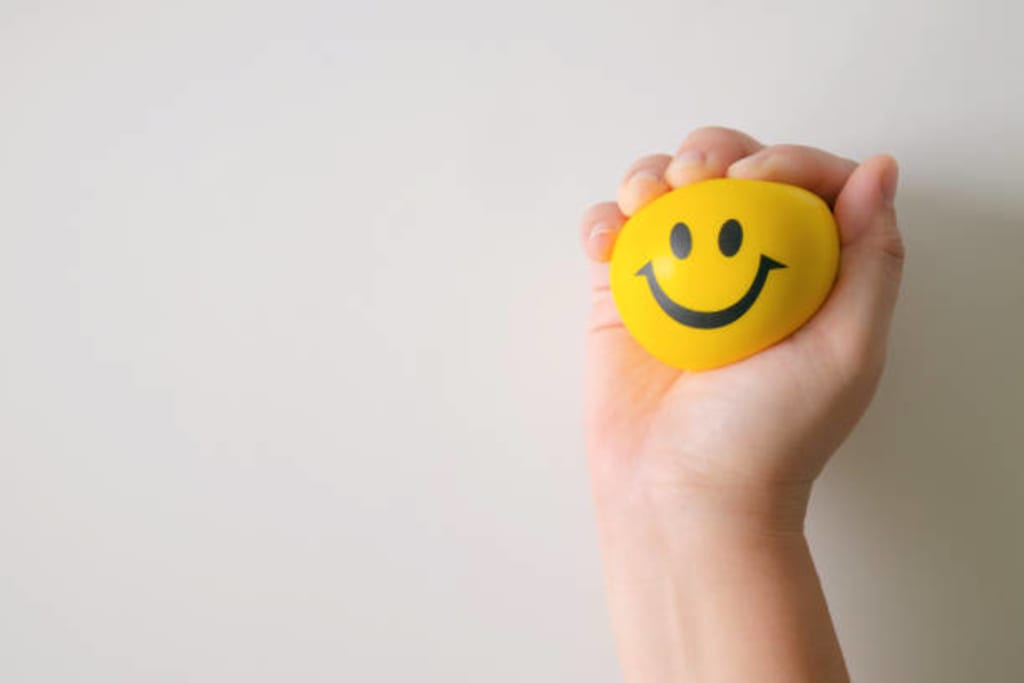
Smiley balls, also known as stress balls or squeeze balls, are small, round balls made of a squishy material that can be squeezed and manipulated in the hand. They have been used for a variety of purposes, from promoting grip strength and hand dexterity to serving as fun toys for children. But one of their most popular uses is as a tool for anger management.
Introduction
Anger is a natural emotion that can be difficult to control, especially in high-stress situations. A physical object, such as a smiley ball, can be used as a tool to help manage and release anger. When squeezed or thrown, a smiley ball can provide a sense of release and relief, similar to hitting a punching bag or going for a run.
How Smiley Balls Help with Anger Management
Smiley balls have been used in anger management techniques, such as cognitive-behavioral therapy, as a way to help individuals control their emotions in a healthy and constructive way. They can be used as a form of release, similar to hitting a punching bag or going for a run. When an individual feels angry, they can squeeze or throw the ball as a way to release their emotions in a safe and controlled manner. Additionally, the act of squeezing the ball can serve as a distraction from the source of anger, allowing an individual to calm down and regain control of their emotions.
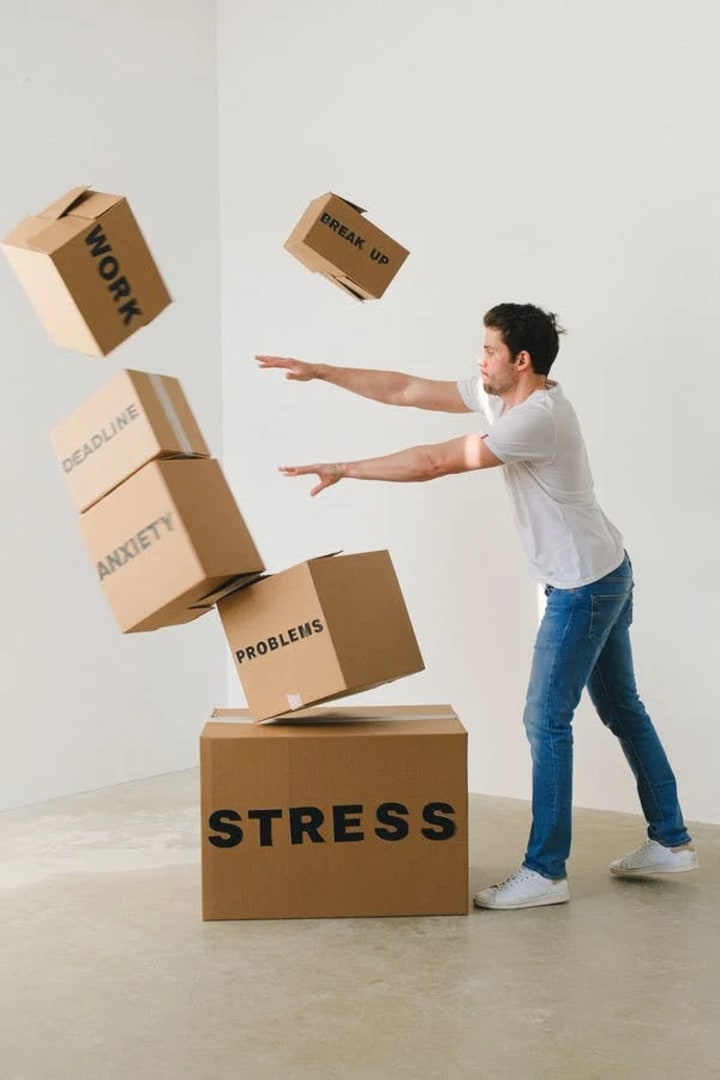
The Science of Smiley Ball and Anger Management
The psychological and physiological mechanisms behind using a smiley ball for anger management are rooted in the concept of "grounding." Grounding refers to the process of bringing oneself back to the present moment by focusing on physical sensations and the environment. Squeezing a smiley ball can serve as a form of grounding, allowing an individual to focus on the physical sensation of the ball in their hand and release pent-up emotions.
The shape and size of the ball can also play a role in its effectiveness as an anger management tool. A larger ball may provide more resistance and require more effort to squeeze, which can be beneficial for releasing pent-up anger. On the other hand, a smaller ball may be more portable and convenient for use in different environments.
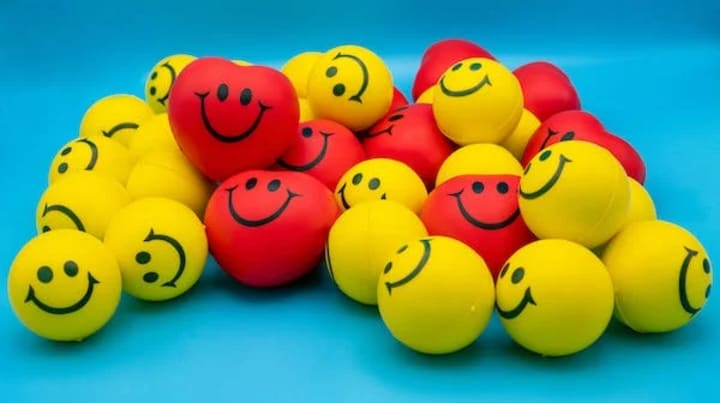
How to Use a Smiley Ball for Anger Management
Using a smiley ball for anger management is a simple and effective technique that can be incorporated into daily routines. Some ways to use a smiley ball for anger management include:
- Keeping a smiley ball on hand at all times, such as in a pocket or purse, for quick and easy access.
- Taking a few deep breaths before squeezing or throwing the ball.
- Incorporating the use of a smiley ball into a relaxation or meditation routine.
Using the smiley ball in conjunction with other anger management techniques, such as deep breathing or visualization.
The benefits of using smiley balls in children and teenagers for managing anger and stress:

The use of smiley balls as a tool for managing anger and stress is not limited to adults. Children and teenagers can also benefit from using a smiley ball as a way to control their emotions.
Children and teenagers may have difficulty expressing their emotions and may not have the same coping mechanisms as adults. A smiley ball can serve as a physical outlet for their emotions and provide a sense of release. Squeezing or throwing a smiley ball can also serve as a distraction from the source of anger or stress, allowing the child or teenager to calm down and regain control of their emotions.
Additionally, using a smiley ball can help children and teenagers develop healthy coping mechanisms for managing their emotions. Incorporating the use of a smiley ball into a daily routine can teach children and teenagers that it is okay to express their emotions and that there are healthy ways to do so.
Smiley balls can also be used in classroom and school settings as a way to help children and teenagers manage stress and anger. Teachers can provide smiley balls for students to use during class or in a quiet time, and it can be used as a tool for teaching children and teenagers about stress and anger management.
It's important to note that while a smiley ball can be a helpful tool for managing anger and stress in children and teenagers, it should not be the only solution. If a child or teenager is struggling with anger or other emotions, consulting a therapist or counselor may be beneficial.
How to make your own smiley ball at home:
Making your own smiley ball at home can be a fun and easy DIY project that can be done with materials that you likely already have on hand. Here is a simple guide on how to make a smiley ball at home:
Materials:
- 2 balloons
- Flour
- Scissors
- A small bowl or container for mixing
- A straw or a pen
- Marker or paint (optional)
Instructions:
- Inflate one balloon to the size of a tennis ball and tie the end to keep the air inside. This will serve as the base of the smiley ball.
- In a small bowl or container, mix 2 cups of flour with a small amount of water to create a thick paste. The consistency should be similar to that of pancake batter.
- Use a straw or a pen to make a small hole in the base of the inflated balloon.
- Slowly pour the flour mixture into the balloon through the hole, using your fingers to evenly distribute the mixture inside.
- Once you have filled the balloon with the flour mixture, tie the end of the balloon to keep the mixture inside.
- Inflate the second balloon to the size of a golf ball and tie the end.
- Cut the end of the first balloon that was filled with the flour mixture, and carefully remove the balloon.
- Insert the inflated golf ball-sized balloon into the hole of the flour mixture, and press it in firmly to create a smooth surface.
- Once you have inserted the second balloon, use a marker or paint to draw a face on the ball to make it look like a smiley.
- Leave your smiley ball to dry for at least 24 hours before use.
Your homemade smiley ball is now ready to use as a tool for managing stress and anger! You can experiment with different colors, designs, and even different materials like cornstarch, or even playdough, to make different kinds of smiley balls. It's a fun and easy activity to do with your kids or friends, and it can be a great way to make your own personal stress ball.
Conclusion:
Smiley balls can be an effective tool for managing anger and reducing stress. They are easy to use, portable, and provide a sense of release. Incorporating a smiley ball into a daily routine can help to control anger in a healthy and constructive way. It's important to note that while the smiley ball can be a helpful tool, it should not be the only solution and should be used in conjunction with other anger management techniques. If you are struggling with anger or other emotions, consulting a therapist or counselor may be beneficial.
About the Creator
Nova
As an article writer and poet, I am excited to share my knowledge and creativity with the world. I bring accuracy and attention to detail to my writing, thoroughly researching topics for my articles and pouring my emotions into my poems.
Why Austin Businesses Overlook Long-Term App Maintenance Costs?
The launch party ends. The app is live. Metrics look promising. For many Austin businesses, that moment feels like the finish line. In reality, it is the starting point of the most expensive phase of the product’s life.
By Samantha Blake4 days ago in Lifehack
The Importance of Organized Nutrition for Better Health
Nutritional regulation and its importance for daily health Nutrition regulation is the arrangement of meals and foods we eat in a balanced way that suits the body's needs. Its goal is to provide the body with the necessary energy, strengthen the immune system, and maintain health
By Kawtar Aithammouabout 18 hours ago in Lifehack




Comments