
"Creating a Garden in Small Spaces: Tips and Tricks"
"Maximizing Your Outdoor Space: A Guide to Container and Vertical Gardening in Small Areas in Small Areas"


Gardening can be a relaxing and rewarding hobby, but it can be difficult to find the space to do it in a small home. However, with a little creativity and planning, it is possible to create a beautiful and functional garden in even the smallest of spaces. In this article, we will explore some tips and tricks for creating a garden in a small space, as well as some plants that are well-suited for small gardens.
Exploring the Possibilities: Creative Ideas for Small Space Gardening
Vertical gardening :
Vertical gardening is a great way to maximize space in a small garden. Here are a few ideas for incorporating vertical gardening into your small space:
1. Hanging baskets: Hanging baskets can be used to grow a variety of plants, such as ferns, herbs, and succulents. These baskets can be hung from hooks, nails, or even trellis.
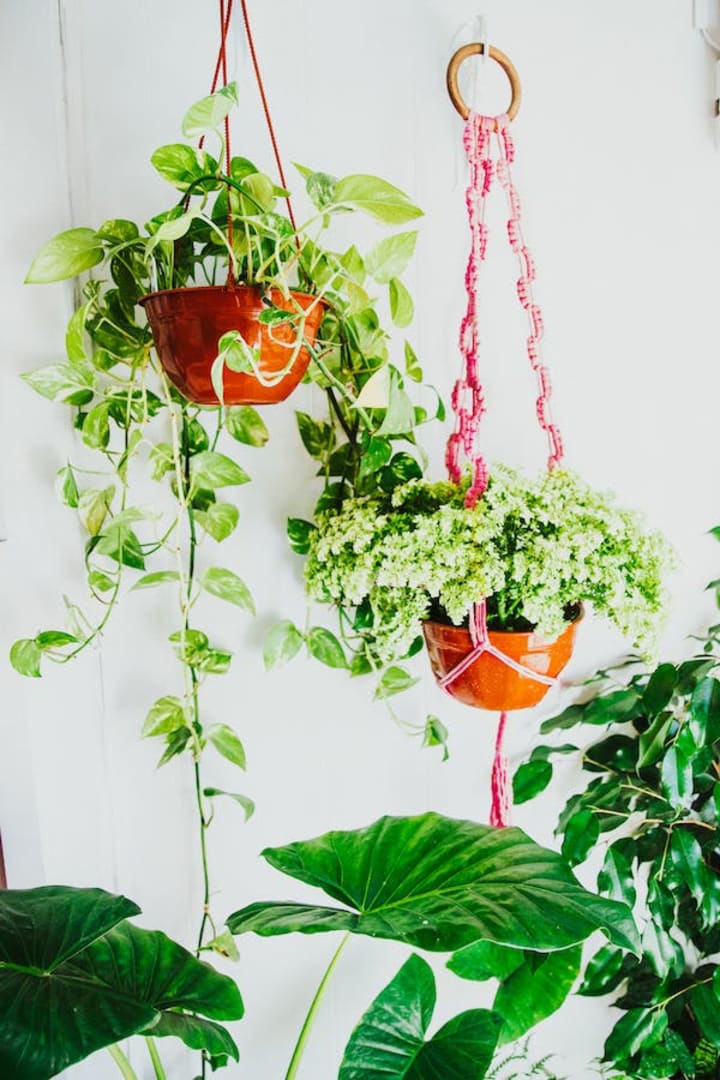
2. Wall-mounted planters: Wall-mounted planters can be used to grow plants vertically on a wall or fence. These planters can be made from a variety of materials, such as metal, wood, or plastic.
Living wall planters: Living wall planters are a great way to create a vertical garden wall. These planters can be hung on a wall or fence and can be used to grow a variety of plants, such as succulents, herbs, and flowers.
Green wall systems: Green wall systems are pre-made panels that can be hung on a wall or fence. They are designed to be easy to install and can be used to grow a variety of plants.
DIY vertical garden wall: You can create your own vertical garden wall by attaching pockets or containers to a wall or fence. This allows you to customize the size and shape of your wall and choose the plants you want to grow.
Wall-mounted trellis: A wall-mounted trellis is a great way to create a vertical garden wall for climbing plants. It can be used to grow plants such as ivy, climbing roses, and clematis.
Vertical garden kits: There are vertical garden kits available in the market that come with everything you need to create a vertical garden wall, including the planters, the wall brackets, and the plants.
Repurpose household items: You can repurpose items such as old wooden shutters, ladders, or even bookshelves to create a unique vertical garden wall.
3. Vertical garden wall: A vertical garden wall is a great way to create a lush, green wall in a small space. These walls can be made from a variety of materials, such as felt, plastic, or even recycled materials.
4. Pallet gardening: Repurpose wooden pallets to create a vertical garden bed. This can be a great way to add plants to a small space without taking up much room.
5. Ladder Garden: A ladder garden can be a great way to create a vertical garden in a small space. You can use an old ladder and place planters on each step of the ladder.
6. Trellis: Trellis can be used to create a vertical garden for climbing plants such as tomatoes, cucumbers, and peas.
Container gardening
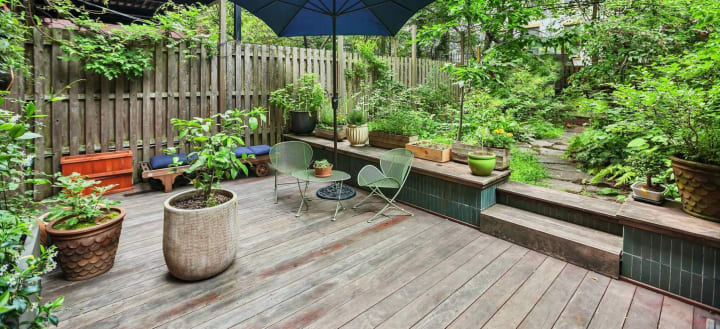
Container gardening is a great way to create a garden in a small space. Here are a few additional ideas for incorporating container gardening into your small space:
1. Rooftop garden: A rooftop garden is a great way to create a container garden in a small space. You can use a variety of containers and raised beds to create a garden on your rooftop or balcony.
2. Hanging terrariums: Hanging terrariums are a unique and elegant way to create a container garden. They can be used to grow small plants such as succulents, ferns, and moss.
3. Upside-down planters: Upside-down planters are a unique way to create a container garden. They allow you to grow plants upside down, which can save space and make it easier to care for your plants.
4. Combination planters: Combination planters are a great way to create a container garden in a small space. They are designed to hold multiple plants in a single container, which allows you to grow a variety of plants in a small area.
5. Vertical planters: Vertical planters are designed to be hung on a wall or fence, which can save space and make it easier to care for your plants.
6. Mini-garden: A mini-garden is a great way to create a container garden in a small space. You can use small containers to create a miniature garden that can be placed on a windowsill, tabletop, or other small space.
With a little creativity and planning, container gardening can be a great way to add beauty and greenery to your small space. Remember that when container gardening, it is important to make sure the containers you choose have adequate drainage holes and that the plants you choose are well-suited for container gardening. Also, consider the size of the container, the size of the mature plant, and the soil you will use, as they all play a role in the health of your plants.
Choose the right plants:
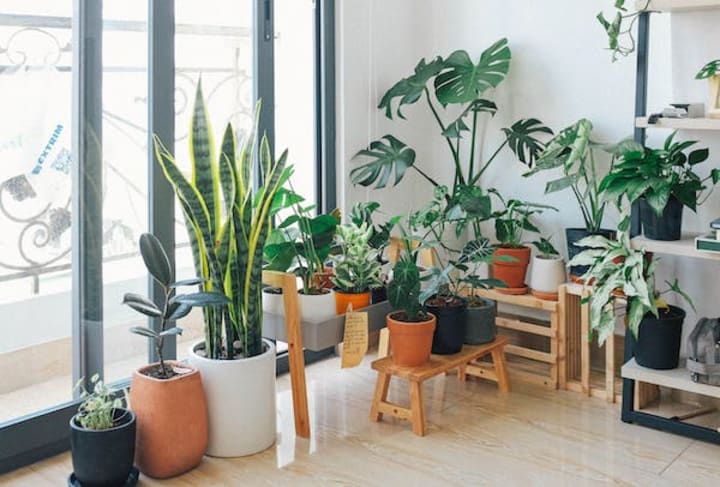
When selecting plants for a small garden, it is important to choose plants that are well-suited for small spaces. Here are a few ideas for plants that are well-suited for small gardens:
Succulents: Succulents are a great option for small gardens because they are low maintenance and can be grown in a variety of containers. They also come in a wide range of colors and shapes, making them a great choice for adding interest to your garden.
Herbs: Herbs are a great option for small gardens because they are easy to grow and can be used in cooking. Some popular herb varieties include basil, parsley, and thyme.
Small shrubs: Small shrubs such as dwarf varieties of boxwood, rose, and holly can be a great option for small gardens. They add structure to your garden and can be used to create a hedge or border.
Bulbs: Bulbs such as daffodils, tulips, and crocus are a great option for small gardens. They can be planted in the fall and will come up in the spring, adding color and interest to your garden.
Ferns: Ferns are great for small gardens because they can be grown in a variety of containers and will thrive in shaded areas.
Groundcovers: Groundcovers such as creeping thyme, creeping phlox, and creeping sedum are a great option for small gardens. They will fill in an area and can be used as a substitute for a lawn.
Vines: Vines such as English ivy, trumpet vine, and clematis are a great option for small gardens. They can be trained to climb a wall, trellis, or fence, and will add interest to your garden.
It is also important to consider the amount of sunlight, water, and maintenance that the plants need before deciding which ones to use in your garden. It's also a good idea to research the plants you are considering to make sure they are appropriate for your local climate and soil conditions.
Use mulch:
Mulch is a great way to keep the soil moist and reduce the amount of water you need to use in your garden. Here are a few ideas for using mulch in a small garden:
Organic mulch: Organic mulch such as shredded leaves, straw, or wood chips can be used to cover the soil in your garden. This will help to retain moisture in the soil and can also add nutrients to the soil as it decomposes.
Decorative Mulch: Decorative mulch such as colored wood chips, pebbles, or stones can be used to enhance the appearance of your garden.
Living mulch: Living mulch is a type of ground cover that can be used as an alternative to traditional mulch. It can be planted between garden beds and will grow to cover the soil, helping to retain moisture and control weeds.
Mulch as a path: Mulch can also be used to create paths in your garden. This can be a great way to create a defined area for walking and to keep the soil moist.
Mulch as a border: Mulch can be used to create a border around your garden beds. This can help to keep the soil in place and can also add a decorative touch to your garden.
When using mulch, it is important to keep it a few inches away from the base of the plants to prevent rot. Also, consider the type of mulch you are using, as certain types may contain chemicals or may not be suitable for certain types of plants.
Plan ahead:
Planning ahead is an important step when creating a garden in a small space. Here are a few ideas for planning ahead when creating a small garden:
Measure your space: Before you start gardening, it's important to measure your space and decide how much room you have to work with. This will help you to plan the size and layout of your garden.
Decide on the type of plants you want to grow: Choosing the right plants for your space is important. Decide what type of plants you want to grow in your garden and choose plants that are well-suited for small spaces and for your local climate and soil conditions.
Consider the amount of sunlight: Consider the amount of sunlight that your space gets and choose plants that are well-suited for the amount of light they will receive.
Create a sketch or plan: Create a sketch or plan of your garden to help you visualize the layout and design of your garden before you start planting. This can help you to make sure that you have enough room for all of the plants you want to grow and that they will be arranged in a way that looks visually pleasing.
Be prepared for maintenance: Be prepared for the maintenance your garden will require. Consider the amount of water, fertilizer, and care that each of your plants will require and plan accordingly.
Be flexible and adaptable: Gardening is an ever-evolving process, and you may find that certain plants don't work out as well as you hoped, or that you want to try new things. Being flexible and adaptable will help you to make the most of your small space and to enjoy the process of creating and tending to your garden.
By following these tips and planning ahead, you can create a beautiful and functional garden in a small space. Remember that gardening is a learning process, and it takes time and patience to achieve the desired result.
Conclusion:
Creating a garden in a small space may seem like a challenge, but with a little creativity and planning, it is possible to create a beautiful and functional garden.
Gardening is a rewarding hobby that can bring beauty and greenery to any space. With a little creativity and planning, you can create a garden that is both beautiful and practical. Whether you choose to focus on container gardening, vertical gardening, or a combination of both, the key is to choose the right plants for your space and to be prepared for the maintenance that your garden will require. With the right approach, even the smallest of spaces can become a thriving garden. So, get ready to embrace the beauty of nature, and let's start gardening!
About the Creator
Nova
As an article writer and poet, I am excited to share my knowledge and creativity with the world. I bring accuracy and attention to detail to my writing, thoroughly researching topics for my articles and pouring my emotions into my poems.
How I Reversed My Fatty Liver Without Starving or Living in the Gym: A Personal Success Story
Here’s how I reversed my fatty liver. And how you can, too. Let’s be brutally honest for a second. When I first saw the words “fatty liver” on my lab results, I felt a cold wave of panic, followed by a heavy, numbing sense of failure. My doctor’s voice sounded distant: “…early stage… lifestyle-driven… reversible.” Reversible. That word felt like a hollow promise, a medical platitude. All I could think was, “I’ve tried diets before. I know I should exercise. Nothing sticks.” I left that appointment with a pamphlet and a crushing weight of confusion. I was overwhelmed, skeptical, and honestly, a little scared.
By John Arthor4 days ago in Lifehack
How I Reclaimed 5 Hours a Week by Automating Image Descriptions
We live in a visual world. Whether I am writing a blog post, updating a portfolio, or managing social media content, I deal with dozens of images daily. But there has always been a hidden time-killer in my workflow: the need to turn those visuals into text.
By Thomas Vance7 days ago in Lifehack




Comments