
The Lifesaving Role of Pool Barrier Inspections
Your Complete Guide to Pool Safety and Legal Compliance
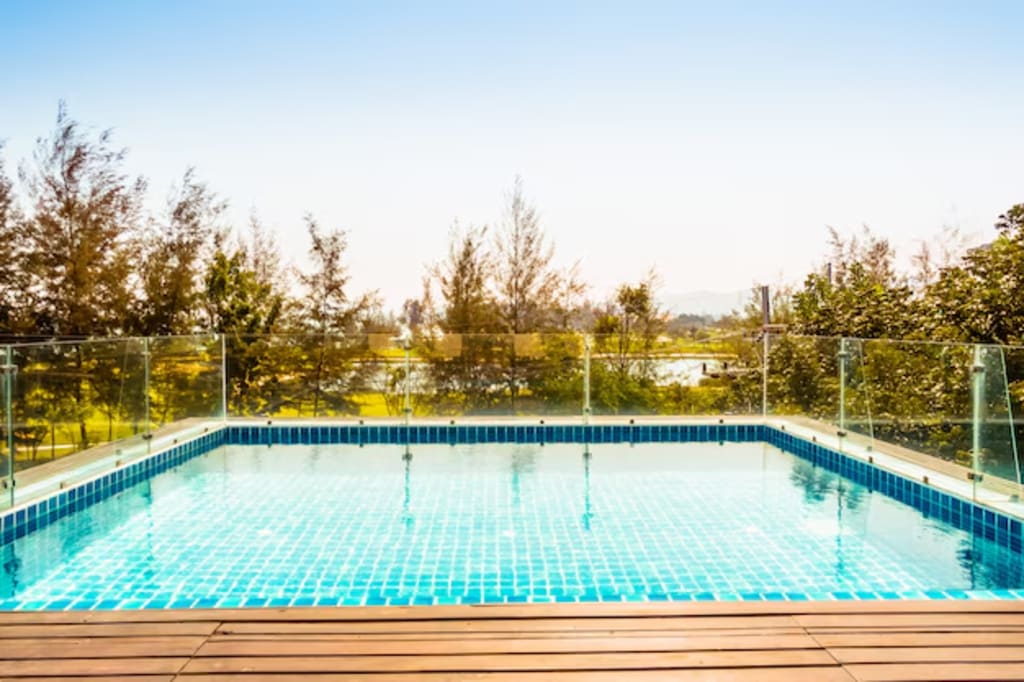
Pool barriers are essential for ensuring the safety of young children around swimming pools. Following Melbourne's pool barrier regulations, parents and caregivers can significantly reduce the risk of drowning accidents and create a safer environment for children to enjoy swimming.
Tips for Maintaining Pool Barrier Safety
Regular Inspections: Check your pool barrier frequently to ensure it's in good condition.
- Active Supervision: Always supervise children when they are near the pool, even if a barrier is in place.
- Teach Pool Safety: Educate children about pool rules and the importance of staying safe.
- Prepare for Emergencies: Learn CPR, keep emergency contacts readily available, and have a safety plan in case of accidents.
By maintaining compliant barriers and staying vigilant, pool owners can help prevent accidents and keep children safe.
What do pool inspections focus on?
Pool barrier inspections focus on ensuring public safety and compliance with Victorian legal standards, which include:
- Public safety: The swimming pool inspector will identify potential issues in pool fences, gates, and barriers to prevent accidents, especially for young children.
- Legal Compliance: He/she will ensure your pool barriers meet all legal requirements under Victorian laws.
Key Legislation
The legislation pool inspectors follow for pool inspections in Melbourne include:
- Building Act 1993: Establishes the framework for pool safety.
- Building Regulations 2018: Specifies barrier requirements, including height, strength and climb-proof zones.
Who’s Involved?
- Local Councils: Maintain pool registers and enforce regulations.
- Registered Building Surveyors: Conduct inspections and issue compliance certificates.
- Authorised Pool Inspectors: Authorised inspectors assess barriers thoroughly.
- Victorian Building Authority (VBA): Oversees pool safety standards and the building industry.
Self-evaluating your swimming pool for safety compliance
Pool compliance and safety laws vary across Australian states, making it important to understand the specific regulations that apply to your area. To ensure your pool meets the necessary standards, start by answering the following questions as part of a basic self-assessment:
- Pool age: How old is your swimming pool?
- Fencing history: Does your pool have existing fencing? If yes, when was it installed or rebuilt?
- Pool type: Is your pool an indoor, outdoor, or spa pool?
- Property type: Is your property waterfront, compact, or large-sized?
Having this information handy will make it easier to meet your state's safety requirements. If you're in Victoria, you can access a detailed checklist by visiting the Victorian Building Authority website. By staying informed and proactive, you can create a safe and compliant pool area for everyone to enjoy.
Different types of pool barriers offer unique advantages and drawbacks, making it important to choose the right one for your needs.
Fences provide a sturdy physical barrier that is hard to climb, ensuring strong safety. However, they may obstruct the pool view and require regular upkeep to maintain their condition. Glass panels are a stylish choice, offering clear visibility of the pool area. Still, they come with a higher cost and demand frequent cleaning to stay spotless. Mesh safety barriers are an affordable and visible option, though they might lack the durability of other materials and could wear out over time. Aluminium fencing is long-lasting and low-maintenance, yet it might not provide as much visibility and can have a higher initial cost.
Choosing the right barrier depends on your priorities, such as safety, aesthetics, cost, and maintenance needs. You can also consult experts for pool inspections near you for more details.
Common FAQs
- How long is a Certificate of Barrier Compliance valid?
A Certificate of Barrier Compliance is valid for 30 days from the issue date. It must be submitted to the local council within this time. If the certificate is not lodged within 30 days, a new inspection will be required, and a fresh certificate must be issued and submitted.
- What is the fee for lodging a Certificate of Barrier Non-Compliance?
A fee will apply if your pool or spa is issued a Certificate of Non-Compliance. The local council will provide a notice specifying the fee and the due date for payment, which is typically at least 28 days. Failure to pay the fee on time can result in fines of up to $330 and penalties of up to $1,652. Visit your local council's website for specific fee details.
- What if I make changes to my pool barrier after registration?
If you alter your pool or spa barrier after an inspection, you must inform the relevant inspector immediately. They will need to reassess the barrier to confirm that the changes meet Victoria's pool safety regulations.
About the Creator
Keep reading
More stories from Leigh Harrington and writers in Lifehack and other communities.
How do you pass pool inspections in Melbourne on the first attempt?
Failing a pool compliance inspection in Melbourne can be frustrating and costly. Victorian regulations require all pools and spas capable of holding more than 300mm of water to have a compliant safety barrier. If your pool fails, you may face delays, re-inspection costs, and potential fines.
By Leigh Harrington8 months ago in Lifehack
Numerology Leads to Success
Success means different things to different people. For some, it’s financial freedom. For others, it’s fulfilling relationships, creative expression, or a sense of purpose. No matter how you define it, most of us share the same question: How do I align my efforts with what I’m truly meant to do? This is where numerology comes in.
By Anthony Bahamonde3 days ago in Lifehack
Why South Korea Data Center Market Are Quietly Driving the Digital Future
Why South Korea’s Data Center Landscape Is Getting More Attention Than Ever When people talk about South Korea’s technology strengths, they usually mention semiconductors, smartphones, high-speed internet, and innovation. What often goes unnoticed is the invisible infrastructure that makes all of this possible — data centers.
By Kim Soo hyunabout 11 hours ago in Lifehack


Comments
There are no comments for this story
Be the first to respond and start the conversation.