
How do you pass pool inspections in Melbourne on the first attempt?
Expert Tips and Compliance Checklist to Ensure Your Pool Passes Inspection Without Delays
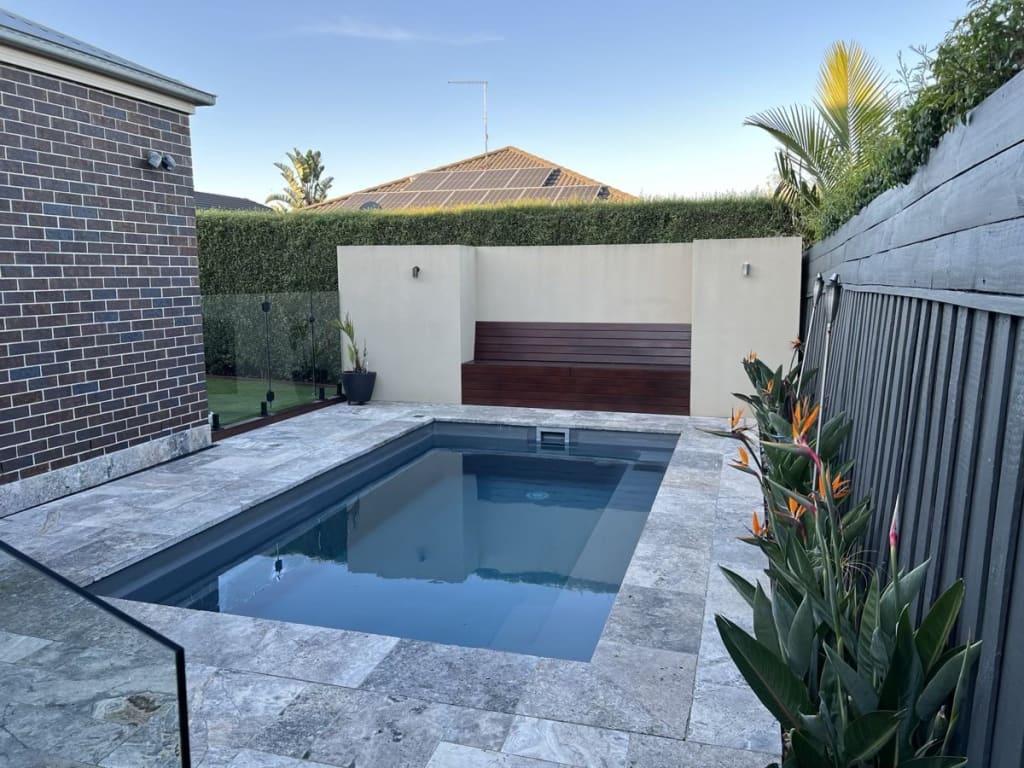
Failing a pool compliance inspection in Melbourne can be frustrating and costly. Victorian regulations require all pools and spas capable of holding more than 300mm of water to have a compliant safety barrier. If your pool fails, you may face delays, re-inspection costs, and potential fines.
Understanding the inspection process and addressing common compliance issues beforehand can help you pass on the first attempt. This guide will provide key steps to ensure your pool meets legal safety standards and avoids unnecessary setbacks.
Understanding Pool Compliance Inspections in Melbourne
To pass a pool compliance inspection in Melbourne, it’s essential to understand what inspectors look for and the legal requirements your pool must meet.
Who Needs a Pool Compliance Inspection?
- Homeowners with existing pools or spas.
- Landlords renting out properties with pools.
- Property owners selling a home with a pool.
- Anyone who has made modifications to their pool barrier.
Inspection Frequency
- Pool owners must schedule an inspection every four years.
- A Certificate of Barrier Compliance must be lodged with the local council within 30 days of issuance.
- If a pool fails the inspection, owners have up to 60 days to address the issues before a follow-up inspection.
- Understanding these requirements ensures you’re prepared before booking an inspection, reducing the risk of non-compliance.
Key Factors Inspectors Assess During Pool Inspections in Melbourne
To pass your pool compliance inspection in Melbourne on the first attempt, focus on the critical safety factors that inspectors evaluate. Addressing these in advance will help you avoid common compliance failures.
1. Pool Barrier Height & Structural Integrity
- The fence must be at least 1.2m high (or 1.8m if a boundary fence is used).
- The barrier must be stable, undamaged, and properly secured with no loose or missing panels.
2. Gate Functionality & Security
- Gates must self-close and self-latch from any open position.
- Latches must be positioned at least 1.5m above the ground.
- The gate must swing outward from the pool area to prevent easy access.
3. Non-Climbable Zones (NCZ)
- Maintain a 900mm clearance around the pool barrier, free of climbable objects.
- Remove any furniture, planters, or outdoor equipment near the fence.
- Trim overhanging trees or branches that could provide a foothold.
4. Gaps & Openings in the Fence
- Gaps between fence panels and at the base of the barrier must be less than 100mm.
- Any erosion or soil movement that increases the gap size must be addressed.
5. Windows & Doors Leading to the Pool Area
- Windows must be restricted to a 100mm opening or fitted with security screens.
- Doors providing direct access to the pool must have self-closing and self-latching mechanisms.
By ensuring these elements meet safety regulations before an inspection, you significantly improve your chances of passing on the first attempt.
How to Prepare for a Pool Compliance Inspection in Melbourne
Taking the right steps before your inspection can save time, prevent costly re-inspections, and ensure your pool is fully compliant. Follow this checklist to prepare effectively.
1. Conduct a Self-Assessment
- Walk around the pool barrier and check for gaps, loose panels, or damage.
- Test the gate’s self-closing and self-latching function multiple times.
- Ensure windows and doors leading to the pool meet safety restrictions.
2. Clear the Non-Climbable Zone
- Remove outdoor furniture, toys, BBQs, or storage boxes near the pool fence.
- Trim trees, bushes, and overhanging branches that could assist climbing.
- Check that no temporary structures or decorations interfere with compliance.
3. Measure Barrier and Gate Heights
- Confirm the fence height is at least 1.2m (or 1.8m for boundary fences).
- Ensure gates and latches meet height requirements and function correctly.
4. Address Wear and Tear
- Fix rusted hinges, broken latches, or unstable fencing before the inspection.
- Secure loose or missing screws, bolts, or panels to maintain structural integrity.
5. Book a Professional Inspection in Advance
- Schedule a licensed pool compliance inspection in Melbourne well before the compliance deadline.
- Have any previous compliance reports or council notices ready for reference.
Following these steps will help ensure your pool meets all Victorian safety requirements before the inspector arrives, increasing your chances of passing on the first attempt.
What to Do If Your Pool Fails an Inspection?
Even with preparation, some pools may not pass their pool compliance inspection in Melbourne on the first attempt. If your pool is found non-compliant, taking prompt corrective action can help you avoid fines and delays.
1. Review the Inspection Report
- Your inspector will provide a detailed report outlining the non-compliance issues.
- Carefully go through each point to understand the necessary corrections.
2. Address the Compliance Issues
- Gates & Latches: Replace faulty hinges, adjust self-closing mechanisms or reposition latches.
- Barrier & Fencing: Fix gaps, reinforce weak panels, and ensure proper height compliance.
- Non-Climbable Zone: Remove any climbable objects within 900mm of the pool fence.
- Windows & Doors: Install window restrictors or upgrade self-latching door mechanisms if required.
3. Schedule a Re-Inspection
- Once all required modifications are completed, book a follow-up inspection promptly.
- Some inspectors, like Bayside Peninsula Pool Compliance, offer free re-inspections to verify compliance.
4. Submit the Certificate of Compliance
- If your pool passes the re-inspection, your inspector will issue a Certificate of Barrier Compliance.
- You must submit this certificate to your local council within 30 days to avoid penalties.
- Taking swift action on non-compliance issues ensures your pool remains safe, compliant, and legally certified.
Achieving Pool Compliance with Confidence
Passing a pool inspection in Melbourne on the first attempt doesn’t have to be a stressful or overwhelming experience. By thoroughly understanding the inspection requirements, proactively addressing potential issues, and conducting regular maintenance, you can confidently ensure that your pool is up to code.
Remember that pool inspections are not only about meeting legal standards—they are about keeping your family, friends, and visitors safe. If you take the necessary steps, maintain your pool barrier, and prepare diligently, you’ll not only pass the inspection but also contribute to a safer environment around your pool.
If you're unsure about your pool’s compliance status, don’t hesitate to book a professional inspection early. With the right preparation, you’ll avoid delays and unnecessary costs while ensuring your pool is compliant with Melbourne's strict safety regulations.
About the Creator
Keep reading
More stories from Leigh Harrington and writers in Lifehack and other communities.
How to Prevent Receding Gums: Simple and Effective Tips
Receding gums are a common dental problem that many people ignore until it becomes serious. Gum recession happens when the gum tissue pulls back from the teeth, exposing the roots. This can lead to tooth sensitivity, cavities, and even tooth loss if not treated early. The good news is that receding gums can often be prevented with proper care and healthy habits. In this article, we’ll explain what causes gum recession and how you can prevent it naturally and effectively.
By Waliullah Shahabout 8 hours ago in Lifehack
Lessons Learned in a Wheel Chair, Singing in the Sunshine 🥀
It starts with love. . . and life . . . Motivational Mantra: Living with Disabilities “To think in terms of either pessimism or optimism oversimplifies the truth. The problem is to see reality as it is.” — Thich Nhat Hạnh
By WILD WAYNE : Taco King of Dragons6 days ago in Lifehack


Comments