
The Invisible Net Holding You Together: How Your Bladder Stays Put
(And Why It Matters)

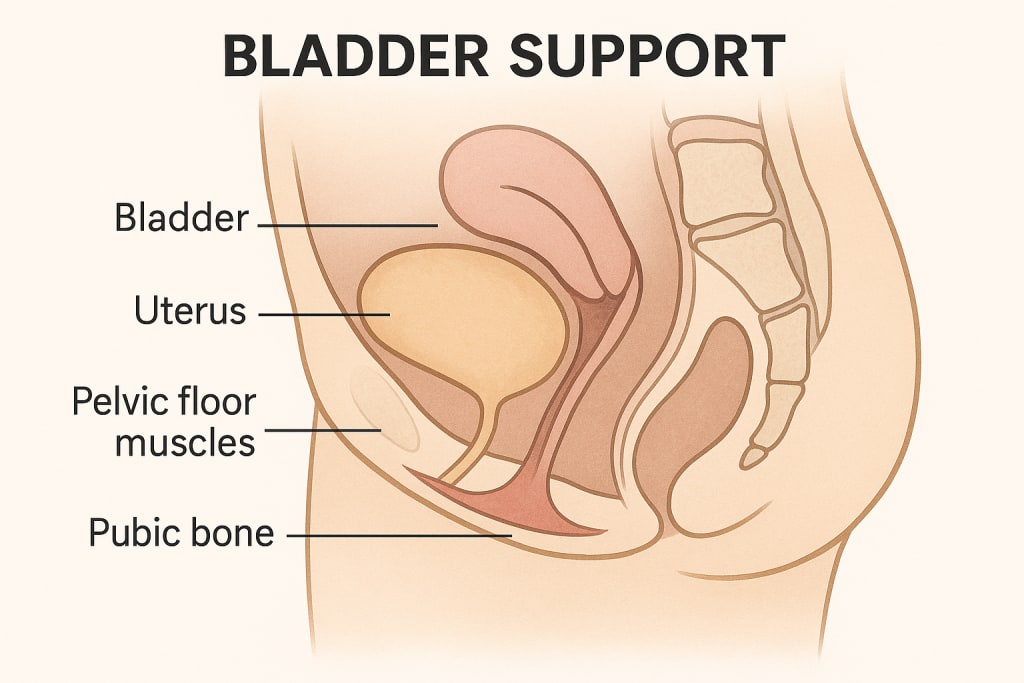
Ever laughed so hard you nearly peed? Or coughed unexpectedly and felt that tiny, panicked clench? We've all been there. It’s a funny, slightly embarrassing moment, but it points to something incredible happening inside you every single second: a complex, hidden support system working tirelessly to keep your bladder right where it belongs. Understanding how is the bladder supported isn't just anatomy trivia – it’s the key to feeling strong, confident, and in control of your body. Let’s pull back the curtain on this amazing inner architecture.
Imagine your bladder as a soft, flexible water balloon. Now, picture it nestled deep inside your pelvis – that bony bowl structure forming the base of your torso. If it were just sitting there loose, gravity, movement, a hearty laugh, or even just standing up would send it tumbling down. That doesn’t happen (most of the time!) because of a brilliant team effort involving muscles, ligaments, and connective tissue. This isn't passive scaffolding; it's a dynamic, living hammock.
The Mighty Muscle Hammock: Your Pelvic Floor
The undisputed MVP of bladder support is your pelvic floor. Think of this as a sling, a trampoline, or a sturdy woven net stretched across the very bottom of your pelvis, from your tailbone at the back to your pubic bone at the front. It’s not one big muscle, but rather several layers of muscles running in different directions – front-to-back, side-to-side – creating a strong, flexible support structure.
Real-World Heroics: Picture Sarah, chasing her toddler through the park. Every leap, every sudden stop, every time she scoops him up – her pelvic floor muscles instantly tighten like a trampoline pulling taut, providing that crucial upward lift to her bladder, preventing leaks. Or consider Mark, lifting heavy boxes during his move. Before he strains, his core and pelvic floor naturally brace, creating internal pressure that supports his bladder against the downward force. This is how the bladder is supported in action – active, responsive, and essential for daily life.
The Connection Point: Your bladder sits directly on top of this muscular hammock. The base of the bladder actually blends with the pelvic floor muscles. When these muscles are strong and coordinated, they lift the bladder neck (the outlet) upwards, helping keep it closed tight until you’re ready to go. Weakness or poor coordination here is often the root cause of that unwanted leak when you sneeze or jump.
The Trusty Suspension Straps: Ligaments and Fascia
While the pelvic floor provides the primary lift from below, the bladder also needs anchoring at the top and sides to stop it from wobbling around too much. This is where ligaments and fascia come in.
Ligaments: These are strong, fibrous bands, like tough leather straps. Specific ligaments attach parts of the bladder to nearby bones, primarily the pubic bone at the front and the sacrum (tailbone base) at the back. They don’t stretch much. Their job is to hold the bladder in its general position within the pelvis, preventing excessive shifting.
Fascia: This is the body’s incredible biological packing material and support webbing. Imagine a dense, fibrous spiderweb connecting everything. Sheets of fascia surround the bladder, link it to nearby organs like the uterus or prostate, and connect it firmly to the walls of the pelvis itself. This fascial network provides crucial structural integrity, distributing forces and adding an extra layer of stability. Think of it as the sturdy canvas backing to the pelvic floor's hammock.
Real-World Resilience: Imagine riding a bumpy bus. Your organs don’t just slosh around uncontrollably. The ligaments act like tethers, limiting major movement, while the fascia absorbs and distributes the jolts, keeping everything relatively stable. This complex fascial network is a vital, often overlooked part of how the bladder is supported against the constant small movements of daily life.
The Neighborly Nudge: Other Organs
Your bladder doesn’t exist in a vacuum. Its position and support are subtly influenced by the organs surrounding it. In women, the uterus sits directly behind the bladder. A well-supported uterus contributes to overall pelvic stability. The rectum sits behind the uterus in women and directly behind the bladder in men. When these organs are healthy and positioned correctly, they provide gentle, surrounding pressure that helps keep everything snug within the pelvic bowl. It’s a delicate ecosystem where the health and position of one organ can impact its neighbors.
When the Support System Weakens: What Happens?
Like any structure, this amazing support system can face challenges. Time, life events, and habits can take their toll:
Pregnancy & Childbirth: Carrying a baby adds significant weight and pressure downward on the pelvic floor for months. The process of childbirth itself, especially vaginal delivery, can stretch and sometimes injure the pelvic floor muscles, ligaments, and fascia. This is a major reason why how the bladder is supported becomes a critical concern for many mothers postpartum.
Aging & Hormones: As we get older, tissues naturally lose some elasticity and strength. In women, the drop in estrogen after menopause can lead to thinning and weakening of pelvic floor muscles and connective tissues. Ligaments can become laxer. This natural aging process gradually impacts the system's resilience.
Chronic Pressure: Activities that chronically increase downward pressure can strain the system over time. This includes:
- Heavy lifting with poor technique (not engaging the core/pelvic floor).
- Chronic constipation and straining during bowel movements.
- Persistent, hard coughing (like from smoking or chronic bronchitis).
- High-impact exercise without proper core engagement.
- Carrying significant extra body weight.
Surgery: Certain pelvic surgeries, especially hysterectomy (removal of the uterus), can sometimes disrupt the intricate web of supporting ligaments and fascia, altering the natural support dynamics.
Just Plain Neglect: We strengthen our biceps and quads, but often completely ignore the muscles we can't see. Lack of awareness and targeted exercise means the pelvic floor simply weakens from disuse.
The Tell-Tale Signs: More Than Just Leaks
When the support system weakens, the bladder isn't held as firmly in its optimal position. This can lead to:
Stress Urinary Incontinence (SUI): The classic "leak when you laugh/sneeze/jump." This happens because the pressure spike from the activity overpowers the weakened support muscles and closure mechanism at the bladder neck.
Pelvic Organ Prolapse: In more significant cases of weakness, the bladder itself (or other pelvic organs like the uterus or rectum) can start to bulge downward. It might feel like pressure or heaviness in the vagina, like something is falling out, or even cause a visible bulge. This is the support system struggling significantly.
Urgency/Frequency: While less directly about pure support, a poorly supported bladder neck can sometimes contribute to sensations of urgency or needing to go too often, as the closure mechanism isn't as effective.
Discomfort: A feeling of persistent pelvic pressure, heaviness, or even low back pain can sometimes stem from compromised pelvic support structures.
Fortifying Your Inner Foundation: You Have the Power
The fantastic news? Unlike your skeleton, you can actively strengthen and care for much of this support system! Understanding how the bladder is supported empowers you to protect it:
Befriend Your Pelvic Floor: Learn to find and engage these muscles correctly (often described as a gentle lift and squeeze inside, like stopping urine flow midstream only as a test – don’t do this regularly while actually urinating). A pelvic health physiotherapist is the gold standard for personalized guidance.
Practice Mindful Movement:
Brace Before Strain: Before lifting anything heavy, coughing, or sneezing, consciously engage your pelvic floor and deep core muscles (imagine gently drawing your belly button towards your spine). Create that internal support pressure.
Posture Matters: Slouching compresses your abdomen and puts extra pressure downward. Aim for a tall, aligned posture – ears over shoulders, shoulders over hips.
Exercise Smart: Choose lower-impact options if you leak (swimming, cycling, modified strength training). Focus on form, always engaging your core and pelvic floor during exertion. Avoid exercises that cause bearing down or bulging in your abdomen.
Manage Pressure:
Treat Constipation: Eat plenty of fiber, stay hydrated, and don't delay the urge to go. Straining is a major enemy.
Quit Smoking: Tackle that chronic cough.
Healthy Weight: If applicable, losing even a modest amount of weight can significantly reduce downward pressure.
Listen to Your Body: Don't ignore persistent leaks, pressure, or pain. These are signals. Talk to your doctor or seek out a pelvic health specialist (like a urogynecologist or pelvic floor physiotherapist). Early intervention is key.
Beyond the Physical: A Connection to Confidence
This isn't just about preventing leaks. It's about something much deeper. Feeling secure in your body, knowing you can laugh freely, exercise with joy, lift your grandchild, or simply walk through your day without that nagging worry – this is the profound gift of a strong pelvic support system. Understanding how the bladder is supported connects you intimately to your own strength and resilience.
It’s easy to take this hidden network for granted, until it whispers (or shouts) that it needs attention. That little clench when you sneeze? It’s a reminder of the incredible, dynamic structure working silently within you. It’s a call to awareness, not embarrassment. By learning about it, respecting it, and strengthening it, you’re not just supporting your bladder; you’re investing in a foundation of physical confidence that ripples out into every aspect of your life.
What does feeling truly supported from the inside out mean to you? Maybe it’s dancing without a second thought, playing tag with the kids, or simply embracing a deep, satisfying belly laugh. Your body is designed for this. Give that incredible inner net the care it deserves, and feel the strength rise up within you. Start today – your future, freer self will thank you.
About the Creator
Health Zone
Discover expert wellness tips, natural remedies, & nutrition hacks for busy lives. Science-backed advice for healthy living, glowing skin, & mindful habits. Join Health Zone—your shortcut to holistic vitality! 🌿
Keep reading
More stories from Health Zone and writers in Lifehack and other communities.
The Unsung Heroes Holding Up Your Bladder: A Deep Dive Into What Keeps You Dry (and Sane!)
Ever had that moment? You're doubled over laughing at a friend's terrible joke, or maybe you're mid-sneezing fit thanks to spring pollen, and suddenly... panic. That urgent, internal whisper: "Hold it together! Don't leak!" We've all been there. It's a universal human experience, tied directly to that humble, balloon-like organ – the urinary bladder. But have you ever stopped to wonder, especially in those precarious moments, what are the supports of the urinary bladder that keep everything, well, contained?
By Health Zone6 months ago in Lifehack
Top Things to Do in North Potomac for Families
Known for its quiet neighborhoods and welcoming atmosphere, North Potomac appeals to families who value space, safety, and a strong sense of community. Whether you are new to the area or have lived here for years, there are plenty of activities that families can enjoy together.
By House Doctor5 days ago in Lifehack



Comments
There are no comments for this story
Be the first to respond and start the conversation.