
The Importance of Support Systems for Dementia Caregivers
In this blog, we will explore how transforming dementia care management and the potential benefits it offers.
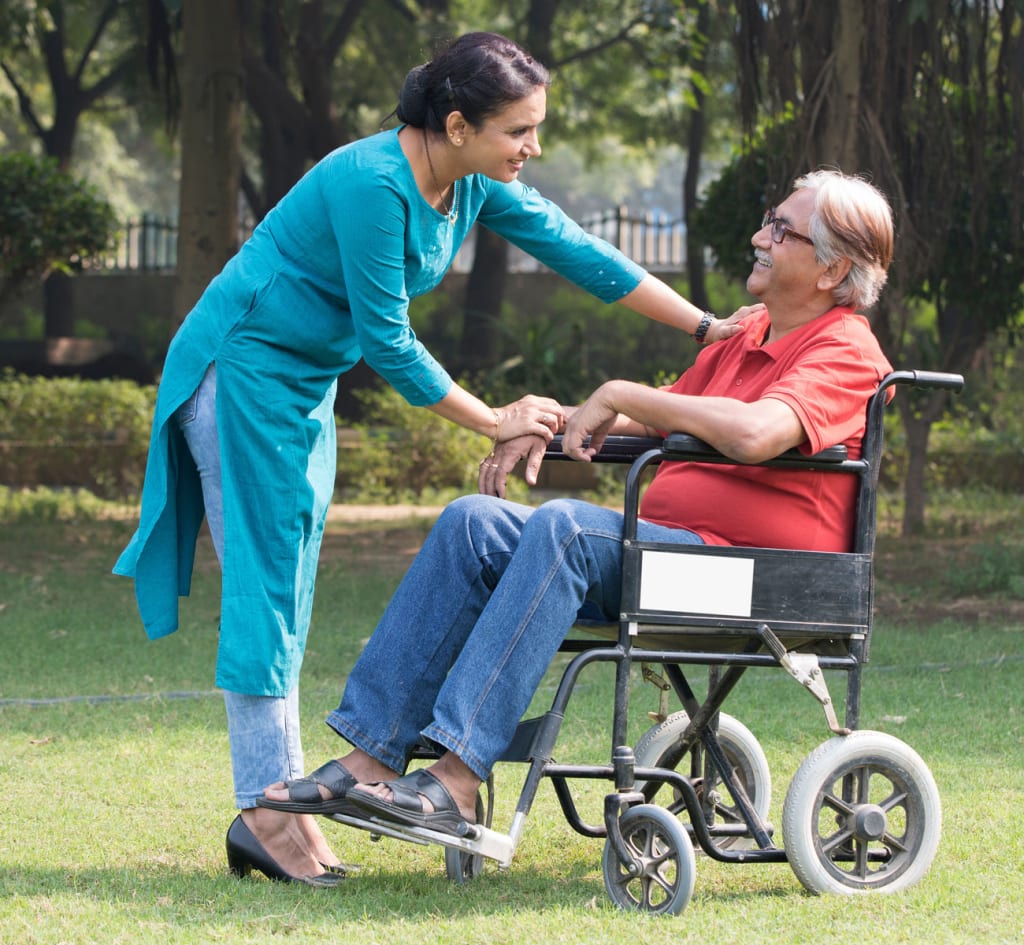
Caring for a loved one with dementia is a demanding and often overwhelming experience. Dementia caregivers, whether family members or professionals, play a critical role in providing physical, emotional, and mental support to individuals with dementia.
However, the challenges of caregiving can take a toll on caregivers themselves, leading to stress, burnout, and isolation. Establishing strong support systems is crucial to helping caregivers maintain their well-being and provide the best possible care to those living with dementia.
The Challenges Faced by Dementia Caregivers
Caring for someone with dementia involves a wide range of responsibilities, from managing daily tasks to addressing behavioral changes and emotional needs. Common challenges include:
Physical Demands: Assisting with mobility, personal care, and daily activities.
Emotional Strain: Managing feelings of grief, frustration, and stress.
Social Isolation: Limited time for social activities and personal relationships.
Financial Burden: Costs associated with medical care, supplies, and potentially reduced work hours.
Cognitive and Behavioral Challenges: Responding to memory loss, confusion, and behavioral changes.
Why Support Systems are Essential
Preventing Caregiver Burnout
Burnout is a state of physical, emotional, and mental exhaustion that can occur when caregivers do not receive adequate support. It can lead to depression, anxiety, and even physical health problems. A strong support system helps prevent burnout by offering respite, practical help, and emotional encouragement.
Enhancing Quality of Care
When caregivers are supported, they are better equipped to provide compassionate and effective care. Feeling appreciated and having access to resources improves their ability to manage the challenges of dementia care.
Improving Emotional Well-Being
Support networks provide a safe space for caregivers to share their feelings, gain perspective, and receive validation. This emotional outlet is important for maintaining mental health and reducing stress.
Providing Practical Assistance
Support systems can assist with everyday tasks, offer caregiving advice, and help coordinate medical appointments or care plans. This reduces the burden on primary caregivers and ensures that the individual with dementia receives comprehensive care.
Types of Support Systems for Dementia Caregivers
Family and Friends
Emotional Support: Loved ones can offer companionship, a listening ear, and encouragement.
Respite Care: Family and friends can step in to provide temporary care, allowing caregivers time to rest and recharge.
Practical Help: Assistance with errands, household chores, or transportation to appointments.
Support Groups
In-Person Groups: Many communities offer support groups where caregivers can connect with others in similar situations.
Online Communities: Virtual forums and social media groups provide a platform to share experiences, ask questions, and receive advice.
Peer Support: Hearing from others who understand the unique challenges of dementia caregiving can reduce feelings of isolation.
Professional Support
Healthcare Providers: Doctors, nurses, and specialists can offer guidance on medical care, treatment options, and managing dementia symptoms.
Counselors and Therapists: Professional counseling can help caregivers cope with stress, grief, and emotional challenges.
Care Management Services: These services assist with coordinating care, arranging services, and navigating healthcare systems.
Respite Care Services
Adult Day Programs: Provide a safe and engaging environment for individuals with dementia while giving caregivers a break.
In-Home Respite Care: Professional caregivers can come to the home to provide temporary support.
Short-Term Residential Care: Some facilities offer short stays for individuals with dementia, allowing caregivers time off.
Educational Resources
Workshops and Training: Many organizations offer training on dementia care techniques, communication strategies, and safety practices.
Books and Websites: Information on dementia care, managing behavioral changes, and self-care strategies for caregivers.
Helplines: Many dementia organizations provide phone support where caregivers can ask questions and receive guidance.
How to Build a Strong Support System
Reach Out for Help
Many caregivers hesitate to ask for help, either out of pride or fear of being a burden. It is important to recognize that asking for support is a sign of strength, not weakness. Let family, friends, and neighbors know how they can assist.
Stay Connected
Make time for social interactions, even if it’s just a phone call or a quick coffee break with a friend. Maintaining connections outside of the caregiving role helps reduce feelings of isolation.
Take Advantage of Respite Services
Respite care is not a luxury but a necessity. Regular breaks allow caregivers to rest, focus on their own health, and return to caregiving with renewed energy.
Participate in Support Groups
Support groups provide valuable insights and practical advice. They are also a place to express emotions and share experiences without judgment.
Utilize Community Resources
Many communities offer programs and services specifically for dementia caregivers, such as transportation assistance, meal delivery, and counseling services.
Self-Care Strategies for Caregivers
Prioritize Health: Eat well, exercise regularly, and get enough sleep.
Set Boundaries: Recognize your limits and avoid taking on too much.
Make Time for Hobbies: Engage in activities you enjoy to maintain a sense of identity outside of caregiving.
Practice Stress-Relief Techniques: Deep breathing, meditation, or short walks can help manage stress.
Celebrate Small Wins: Acknowledge the hard work and dedication you bring to the caregiving role.
Encouraging Caregivers to Seek Support
Caregivers often put their own needs last, but it is essential to encourage them to seek help when needed. Recognize signs of burnout, such as irritability, fatigue, or withdrawal, and gently suggest support options. Caregivers should know it is okay to take a break and that self-care ultimately benefits the person they are caring for.
Conclusion
Dementia care givers provide invaluable support to individuals with dementia, but they also need support themselves. By building strong support systems, caregivers can reduce stress, prevent burnout, and enhance their own well-being.
Family, friends, professionals, and community resources all play a role in creating a network of support that allows caregivers to thrive in their role. Ultimately, a well-supported caregiver is better equipped to provide compassionate and effective care, improving the quality of life for both the caregiver and the individual with dementia.
About the Creator
Keep reading
More stories from Raghav Kumar and writers in Lifehack and other communities.
Ensuring Comfort and Safety with a Home Nurse in Chennai
Hiring a home nurse in Chennai is a significant decision that involves ensuring the comfort and safety of your loved ones during their care. A well-trained home nurse can provide much-needed support while creating an environment conducive to healing and well-being.
By Raghav Kumar12 months ago in Families
Smartphones Are Better Than Ever
A few years ago, it was fun to get a new phone. You took it out of the box, looked at all the features, tried out the camera, and felt that calm joy that comes with possessing something truly new. Smartphones are objectively more powerful than ever today, with faster processors, smarter software, and better displays. But the enthusiasm is essentially gone.
By abualyaanart6 days ago in Lifehack
$17,344! Or Would You Prefer A Nice Coffee Instead?
We’ve all heard the Victorian proverb ‘look after the pennies and the pounds will take care of themselves.’ This is of course, sound advice. But it was also written during a time when mass consumerism was in it’s infancy.
By Simon Aylward3 days ago in Lifehack



Comments
There are no comments for this story
Be the first to respond and start the conversation.