
The Importance of Gym and Physical Fitness for Gen Z
A Holistic Approach to Health and Well-Being
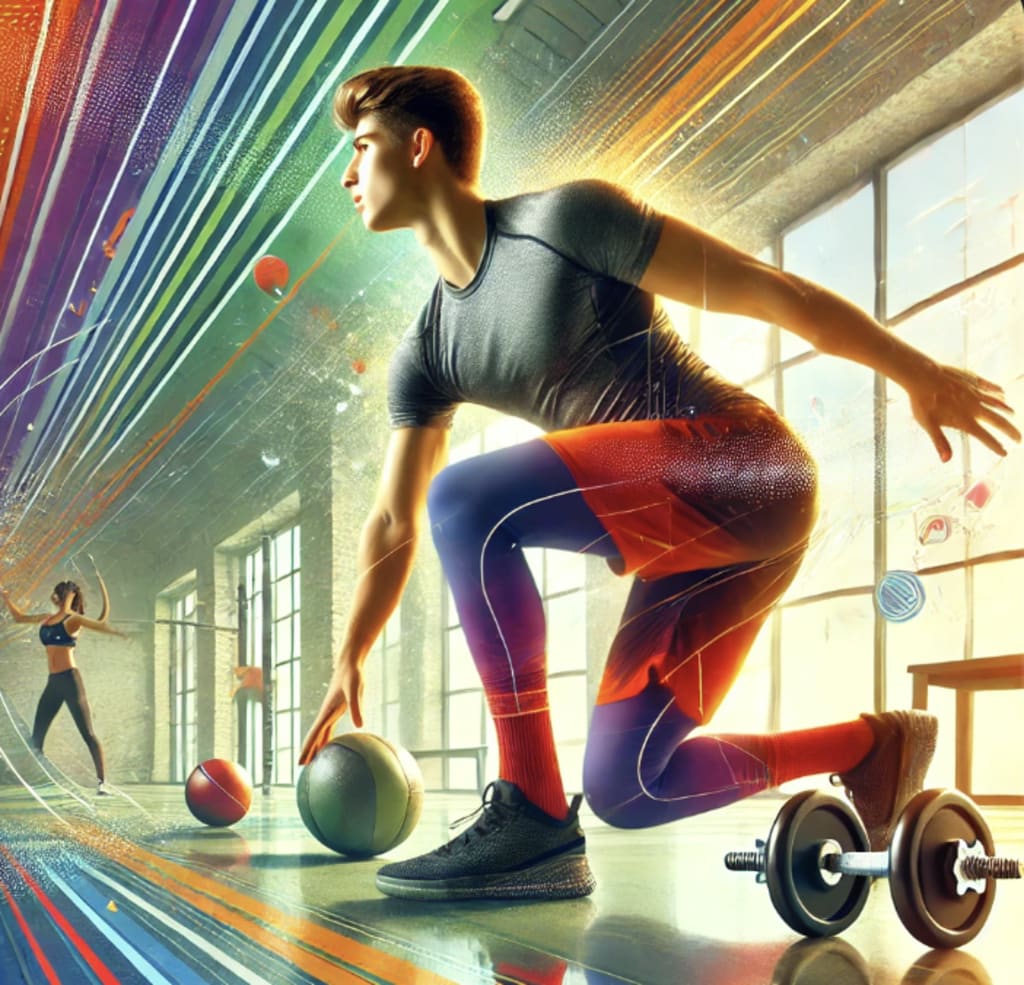
In recent years, physical fitness and gym culture have become more than just a trend for Gen Z. They have evolved into crucial aspects of daily life that contribute to both physical health and mental well-being. For Gen Z—people born between the mid-1990s and early 2010s—maintaining a fit and healthy lifestyle is increasingly seen as an essential part of living a balanced life, driven by their growing awareness of personal health, body image, and the importance of long-term wellness. With a wide range of fitness options, from traditional gym workouts to home-based routines and outdoor activities, physical fitness has become integral to many Gen Z lifestyles.
Here are several reasons why the gym and physical fitness are so important to Gen Z today:
1. Mental Health and Stress Relief
In a world that is constantly connected and fast-paced, Gen Z faces higher levels of stress and anxiety than previous generations. Social media, academic pressures, and the uncertainty of the future often take a toll on mental well-being. However, physical fitness, particularly through regular exercise, is one of the most effective ways to combat these mental health challenges.
Exercise triggers the release of endorphins, often referred to as "feel-good" hormones, which improve mood and reduce feelings of stress. For Gen Z, going to the gym or engaging in physical activity provides an outlet for managing stress, boosting self-esteem, and enhancing emotional well-being. Fitness routines not only help to alleviate anxiety and depression but also promote better sleep, which is essential for mental clarity and focus.
2. Body Positivity and Self-Confidence
Gen Z has become increasingly vocal about body positivity and self-acceptance, striving to embrace diverse body types and redefine societal beauty standards. While this movement encourages acceptance, the importance of self-care and self-improvement remains at the core of Gen Z’s approach to health. Going to the gym and engaging in regular physical fitness routines allows them to feel empowered in their bodies, fostering self-confidence and a positive relationship with their physical appearance.
Rather than focusing on unattainable ideals, many Gen Z individuals view the gym as a place where they can work on improving strength, flexibility, and overall fitness, which enhances body image and self-worth. The emphasis is less on external validation and more on personal growth, which allows them to feel more confident in their own skin.
3. The Rise of Fitness as a Lifestyle
For Gen Z, physical fitness is not just about working out in the gym; it has become an entire lifestyle choice. From tracking fitness goals and attending group workout classes to participating in fitness challenges and promoting wellness on social media, exercise is woven into the fabric of daily routines. The gym serves as a hub for meeting like-minded individuals, sharing fitness goals, and staying motivated.
Thanks to platforms like Instagram, YouTube, and TikTok, fitness has become a shared experience, with many Gen Zers posting their workouts, fitness transformations, and healthy recipes online. These social platforms have helped cultivate a global fitness community, making physical health more accessible and encouraging individuals to stay active by learning new workout routines, exploring different sports, and discovering new wellness trends.
4. Long-Term Health and Prevention
While the immediate benefits of exercise are well understood, Gen Z is also becoming increasingly aware of the long-term health benefits that come with regular physical activity. The focus has shifted from simply achieving short-term fitness goals—such as weight loss or muscle gain—to adopting sustainable habits that contribute to long-term health and wellness.
Incorporating regular exercise, balanced nutrition, and healthy lifestyle choices into daily routines helps Gen Z develop habits that can prevent chronic health conditions such as heart disease, diabetes, and obesity. Gen Z’s engagement with health and fitness is a proactive approach to ensuring a healthy future, rather than addressing health issues after they arise.
5. Digital Fitness and Convenience
Unlike previous generations, Gen Z has grown up with technology, and they are adept at using it to enhance their fitness routines. The rise of fitness apps, online workout videos, and virtual fitness communities has made it easier than ever for Gen Z to access workout plans, track progress, and find motivation from the comfort of their homes or wherever they choose to exercise.
The convenience of digital fitness means that even those who don’t enjoy going to a traditional gym can still achieve their fitness goals. Online platforms like Peloton, Beachbody, and YouTube workout channels offer a variety of options for every type of fitness enthusiast, whether it’s yoga, HIIT, weight training, or dance. This has democratized access to fitness and made it more customizable for individual preferences, making it easier for Gen Z to prioritize fitness in their busy lives.
6. Social Media Influence on Fitness Culture
Social media plays a significant role in shaping Gen Z’s approach to fitness. Influencers and fitness professionals on platforms like Instagram, TikTok, and YouTube inspire millions by sharing workout routines, fitness tips, and motivational content. As a result, fitness has become not just a personal journey but a social one—teens and young adults are more likely to work out, share their progress, and participate in fitness challenges.
Social media's influence also encourages a more inclusive approach to fitness. From promoting different body types to discussing mental health and self-care in tandem with physical fitness, social media has helped break down stereotypes and make fitness more accessible for everyone, regardless of size, gender, or ability.
7. Increased Focus on Holistic Health
For Gen Z, physical fitness goes beyond just the physical body. There is a growing focus on holistic health, which integrates physical, mental, and emotional well-being. The idea of fitness is no longer limited to lifting weights or running; it’s also about mindfulness, yoga, and practices that nurture the mind and soul.
Mental health awareness has become a central issue for Gen Z, and many are turning to fitness as part of a broader wellness routine. Practices such as mindfulness meditation, yoga, and stress-relief exercises are being incorporated into fitness regimens to create a balanced lifestyle. This shift reflects a more comprehensive approach to well-being that transcends physical appearance, promoting overall health and happiness.
Conclusion: Fitness and Gym Culture as a Gen Z Priority
The importance of gym and physical fitness for Gen Z is undeniable. With an increased focus on mental health, body positivity, long-term wellness, and social media-driven fitness culture, Gen Z is setting a new standard for how health and fitness should be approached in the modern age. Fitness is no longer just about physical appearance or short-term goals; it's about creating a sustainable lifestyle that supports both physical and mental well-being.
As technology, awareness, and accessibility continue to improve, Gen Z will continue to lead the way in reshaping the future of fitness, making it more inclusive, holistic, and integrated into everyday life. In doing so, they are not only shaping their own health but also setting an example for future generations to prioritize fitness as an essential aspect of overall well-being.
About the Creator
Keep reading
More stories from vidun Arambage and writers in Lifehack and other communities.
The Future of Quantum Computing
Quantum computing represents one of the most exciting frontiers in the field of technology, promising to revolutionize industries by solving complex problems that classical computers can’t handle. While still in its early stages, quantum computing is rapidly advancing, and its potential is vast. But what does the future hold for quantum computing, and how will it transform our world?
By vidun Arambage12 months ago in Futurism
Absolutely 100% Free Stuff With No Shipping Costs
In a world where everything seems to come with a price tag—including “free” offers that sneak in unexpected shipping fees—it can feel impossible to get truly free items. But with the right strategies, resources, and platforms, it is completely possible to score legitimate, 100% free stuff with no shipping costs or hidden charges. Whether you're looking to save money, reduce waste, or simply love the thrill of discovering freebies, this guide will walk you through the best ways to find authentic no-cost items online and in your local community.
By Master Binz5 days ago in Lifehack
Complete Guide to Wi-Fi Password Recovery & Protection
Understanding Wi-Fi Security Forgetting your Wi-Fi password is a common frustration in our connected world. This comprehensive guide explores legitimate methods to recover lost Wi-Fi credentials while emphasizing network security best practices. Whether you're a homeowner locked out of your network or an IT professional assisting users, this article provides ethical solutions while reinforcing the importance of protecting wireless networks from unauthorized access.
By Alexander Hoffmann4 days ago in Lifehack


Comments
There are no comments for this story
Be the first to respond and start the conversation.