
The Hidden Power of the Body's Silent Signals: Why Your Body is Trying to Talk to You!
"The Hidden Secrets to Reversing Brain Aging: What Science Never Told You" Say Good By to Mental Decline and Hello to a Sharper You.

We often think of our bodies as mechanical machines that simply work when we feed, rest, and maintain them. But what if I told you that your body has a hidden language? A language of silent signals that can provide insights into not just your physical well-being, but also your mental, emotional, and spiritual state?
Every day, we experience tiny sensations, odd feelings, and inexplicable moments — yet we ignore them. What if some of these subtle signs hold the key to unlocking hidden aspects of our health, longevity, and happiness? This article delves deep into those signals your body has been trying to communicate with you.
1. The Power of Tiny Tics: How Micro-Movements Reveal Hidden Tensions
We’ve all had that twitchy eye, that sudden knee jerk, or even that unexplained tick in our neck after a long day. But what if these seemingly random body movements are trying to tell us something?

The Science:
The nervous system controls every movement, and these micro-movements could be signs of tension building up in specific parts of the body. For instance, a twitching eyelid might not just mean you're tired, but could also be linked to stress or emotional overload. These subtle signals might be a warning that something deeper within needs attention.
What you can do:
- Pay attention to your body’s micro-movements throughout the day.
- If you notice frequent tics or twitches, it might be time to de-stress or evaluate emotional triggers.
2. Unusual Pain and Its Link to Emotional Blocks: A Secret Connection
What if your back pain wasn’t just from poor posture? What if your chronic shoulder aches were tied to unspoken emotional baggage that you've been carrying for years?
The Science:
According to somatic psychology, certain body parts are linked to specific emotional struggles. For instance, back pain might indicate a feeling of "unsupported" or “burdened,” while tight shoulders could be a sign of carrying the weight of unexpressed anger or resentment.
What you can do:
- Try journaling or meditating on specific areas of pain.
- Work through your emotions and see if addressing those feelings has an impact on your physical pain.
3. The Forgotten Language of Your Skin: What It’s Trying to Tell You About Internal Health
Your skin isn’t just a barrier — it’s also a reflection of your internal health. Acne, rashes, and dry patches may seem like just cosmetic problems, but they could be signals your body is sending about what's going on inside.
The Science:
Acne around the chin area could signal hormonal imbalances, while skin rashes might be a sign of underlying allergies or liver dysfunction. Dry patches might indicate dehydration or nutritional deficiencies. The skin acts as a mirror of your gut, liver, and other organs.
What you can do:
- Pay attention to the areas of your body that break out or itch frequently.
- Seek holistic treatments and improve your internal health through diet, hydration, and stress management.
4. The Intriguing Role of Your Hands: Why They Might Hold the Key to Your Longevity
We use our hands for everything, from eating to writing to expressing ourselves. But your hands might be telling you more than you think about your life expectancy, quality of life, and health.
The Science:
Studies have shown that hand grip strength is a surprisingly reliable indicator of your longevity and overall physical strength. A weak grip strength can be linked to poorer physical and mental health outcomes in the future. In addition, the lines and patterns on your palms can offer insights into your emotional state.
What you can do:
- Measure your hand strength and make efforts to strengthen it through exercise and healthy habits.
- Pay attention to your hand’s health; it could be telling you about your future well-being.
5. The Oddity of Heart Palpitations: Is Your Heart Trying to Warn You?
A sudden racing heart, a skipped beat, or a fluttering sensation in your chest can be alarming. But instead of panicking, let’s delve deeper into what these palpitations might actually be trying to tell you.
The Science:
Heart palpitations are often linked to stress, anxiety, and even dehydration. They may be a sign that your body is trying to cope with emotional overload or physical imbalance. Surprisingly, they could also be related to low blood sugar or vitamin deficiencies.
What you can do:
- Practice breathing exercises and mindfulness to reduce stress.
- Stay hydrated and ensure you’re getting the right nutrients, especially magnesium, potassium, and B vitamins.
6. The Fascinating World of Dream Patterns: Your Dreams as Your Body’s Hidden Alarm System

Dreams are often dismissed as just random brain activity, but what if they held a deeper, more vital purpose? Could they be signals from your body, reflecting your subconscious needs, desires, and fears?
The Science:
Dreams are thought to be a way for the brain to process emotions and thoughts from the day. But did you know that consistent dream patterns or recurring dreams could be indicators of physical issues or imbalances? For instance, frequent nightmares or stress-related dreams could be a sign of poor sleep hygiene, high cortisol levels, or unresolved trauma.
What you can do:
- Keep a dream journal to track recurring themes and symbols.
- Use dream analysis to gain insight into both your physical and emotional health.
Conclusion:
Listen to Your Body’s Hidden Messages
Your body is far more intelligent than you give it credit for. By paying attention to the silent signals it’s sending, you can unlock valuable information that could help improve your overall health and longevity.
The truth is, we’ve been conditioned to ignore or dismiss the subtle signs our body offers. Whether it’s a twitching eye, an aching back, or even an unusual dream, these signals are not random. They are your body’s way of talking to you, urging you to listen, take action, and make changes that could vastly improve your health.
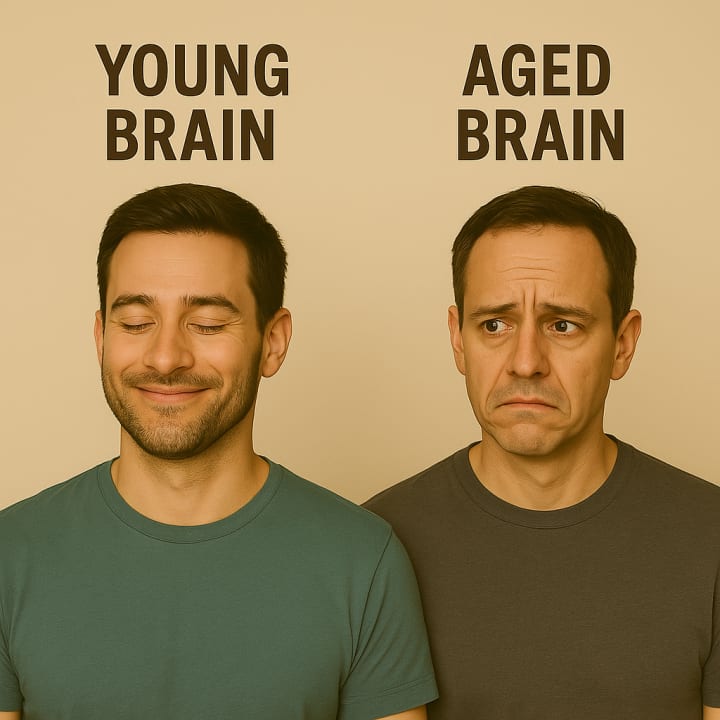
Incorporating awareness of these signals into your daily life could be the key to living a more vibrant and informed life. Start listening to your body today — it might just be trying to tell you exactly what you need to thrive.
Call to Action:If this article resonated with you, share it with friends and family. Let’s start a conversation about the silent messages our bodies send and how we can respond to them for better health.
About the Creator
Usama
Striving to make every word count. Join me in a journey of inspiration, growth, and shared experiences. Ready to ignite the change we seek.
Absolutely 100% Free Stuff With No Shipping Costs
In a world where everything seems to come with a price tag—including “free” offers that sneak in unexpected shipping fees—it can feel impossible to get truly free items. But with the right strategies, resources, and platforms, it is completely possible to score legitimate, 100% free stuff with no shipping costs or hidden charges. Whether you're looking to save money, reduce waste, or simply love the thrill of discovering freebies, this guide will walk you through the best ways to find authentic no-cost items online and in your local community.
By Master Binz6 days ago in Lifehack
Complete Guide to Wi-Fi Password Recovery & Protection
Understanding Wi-Fi Security Forgetting your Wi-Fi password is a common frustration in our connected world. This comprehensive guide explores legitimate methods to recover lost Wi-Fi credentials while emphasizing network security best practices. Whether you're a homeowner locked out of your network or an IT professional assisting users, this article provides ethical solutions while reinforcing the importance of protecting wireless networks from unauthorized access.
By Alexander Hoffmann4 days ago in Lifehack



Comments
There are no comments for this story
Be the first to respond and start the conversation.