
The Hidden Health Warning in Your Earlobe: What You Need to Know About Frank's Sign and Heart Disease
How a Simple Crease on Your Ear Could Signal Serious Heart Problems and What You Can Do to Protect Your Health
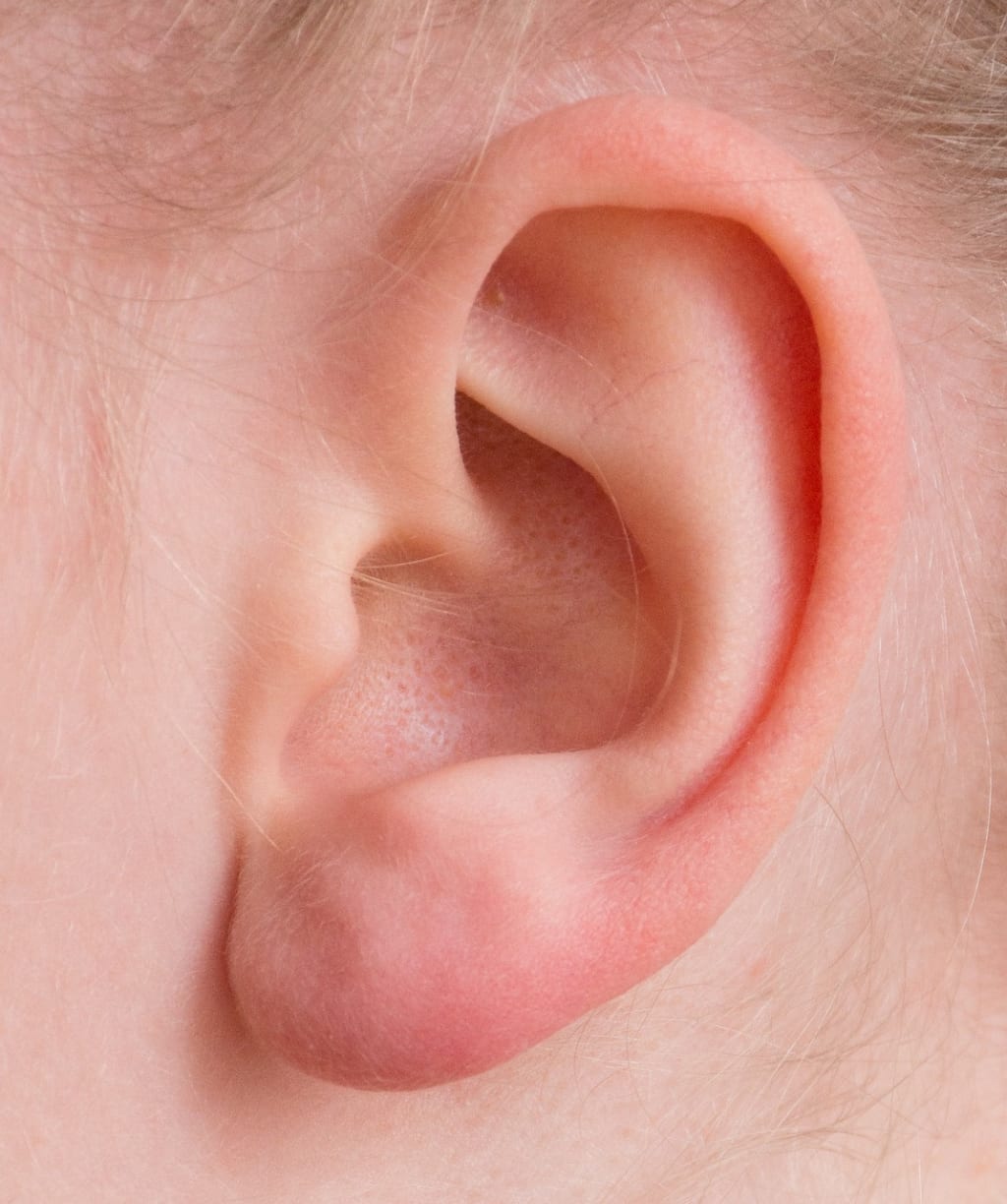
Let's cut to the chase: there’s a subtle sign on your body that could offer insights into your heart health, and it might be hiding in plain sight right on your earlobe. Take a closer look at your ear. Do you notice a diagonal crease running across your earlobe? What might seem like an innocuous line could be an indicator of a serious underlying health issue related to your heart.
This crease, known as a diagonal earlobe crease or Frank's sign, is more than just a random fold of skin. Named after Dr. Sanders T. Frank, who first noted its connection to cardiovascular health, this crease might be linked to coronary artery disease (CAD), the condition that often leads to heart attacks. While it may sound unlikely, emerging evidence suggests that this subtle feature could signal a higher risk for heart disease. Let’s explore the science behind it and what it means for your health.
The Science Behind the Earlobe Crease
The association between the diagonal earlobe crease and heart health comes down to blood flow and the health of your arteries. Coronary artery disease develops when the arteries that supply blood to your heart become narrowed or blocked by plaque buildup. Over time, this reduced blood flow affects not just the heart but also other parts of the body, including the small blood vessels in your earlobes.
As circulation decreases, structural changes in the elastin and connective tissues of the earlobe can lead to the formation of a diagonal crease. Several studies have supported this correlation, with one study finding that about 71% of people with coronary artery disease had this crease. While this isn't definitive proof, it does suggest a potential link worth paying attention to.
It’s important to remember that the earlobe crease is not exclusive to heart issues it has also been associated with other health conditions such as diabetes, hypertension, and smoking. However, heart disease remains the most common connection. Considering that heart disease is the leading cause of death globally, this small sign could be a valuable clue about your cardiovascular health.
Why This Small Sign Matters
Heart attacks are often called the "silent killer" because many occur without warning. In over half of heart attack cases, the first sign is sudden death there’s no chest pain or other traditional symptoms beforehand. This makes early detection crucial. A diagonal earlobe crease could be your body's way of signaling that your heart health needs attention, giving you a chance to act before a more severe event occurs.
Coronary artery disease is a systemic condition, meaning it doesn’t just affect your heart it impacts your entire circulatory system. When arteries thicken and lose flexibility due to plaque, blood flow is compromised throughout your body. While the body attempts to form new blood vessels to bypass the blockages, if the core issue isn't addressed, even these compensatory vessels can fail, raising the risk of heart attacks.
Taking Action: Steps to Protect Your Heart
Noticing an earlobe crease shouldn’t cause panic, but it’s a signal to prioritize your heart health. Here are some practical steps you can take:
1. Adopt a Heart-Healthy Diet: Focus on foods that promote cardiovascular health. Incorporate plenty of fruits, vegetables, whole grains, and lean proteins. Foods high in omega-3 fatty acids, like fish and seeds, are particularly beneficial. Minimize processed foods, excess sugar, and unhealthy fats, which can contribute to plaque buildup in your arteries.
2. Exercise Regularly: Physical activity is vital for maintaining a healthy heart. Aim for at least 150 minutes of moderate exercise per week, such as walking, swimming, or biking. Regular exercise improves circulation, lowers blood pressure, and reduces the risk of heart disease.
3. Manage Stress: Chronic stress can have a negative impact on heart health. Activities like meditation, yoga, and deep breathing can help reduce stress levels. Additionally, getting enough sleep and nurturing social connections can enhance your overall well-being and protect your heart.
4. Stay on Top of Medical Checkups: Regular visits to your healthcare provider are essential for early detection of heart issues. If you notice a diagonal earlobe crease or experience symptoms like chest pain, shortness of breath, or fatigue, consult your doctor as soon as possible.
5. Quit Smoking: Smoking is a significant risk factor for heart disease. If you smoke, quitting can dramatically lower your risk of developing coronary artery disease and other cardiovascular issues. Seek support from healthcare professionals or cessation programs to help you stop smoking.
The Role of Supplements in Heart Health
Beyond lifestyle changes, certain supplements can also support heart health. Here are some key nutrients that could help protect your cardiovascular system:
Tocotrienols: A potent form of vitamin E, tocotrienols are more powerful than the more common tocopherols in protecting heart health. They enhance oxygen delivery to your heart muscle and safeguard your blood vessels. Choose a pure tocotrienol supplement for maximum benefits.
Omega-3 Fatty Acids: Omega-3s, commonly found in fish oil, help reduce inflammation, lower blood pressure, and improve cholesterol levels. Cod liver oil, which contains omega-3s along with vitamins A and D, is another excellent option for supporting heart health.
Vitamin K2: This underappreciated vitamin plays a key role in preventing calcium buildup in your arteries, keeping them flexible and clear. For optimal results, take vitamin K2 alongside vitamin D3, as the two work together to boost cardiovascular and bone health.
Recognizing Other Signs of Heart Disease
While a diagonal earlobe crease is an important clue, it’s not the only potential sign of heart disease. Be alert for other symptoms that could indicate cardiovascular issues, including:
Chest pain or discomfort: This classic symptom of heart disease can range from mild discomfort to severe pressure.
Shortness of breath: Difficulty breathing during regular activities can be a sign of heart problems.
Irregular heartbeat: An abnormal heart rhythm, known as arrhythmia, may signal underlying heart issues.
Fatigue: Persistent tiredness, especially after exertion, can indicate a weakened heart.
Swelling in the legs, ankles, or feet: Fluid retention in the lower extremities can be a sign of heart failure.
If you experience any of these symptoms, especially in combination with an earlobe crease, it’s crucial to seek medical attention. Early intervention can significantly improve outcomes and potentially save your life.
The Importance of Sharing This Information
Now that you’re aware of the potential significance of a diagonal earlobe crease, it’s essential to share this information with others. If you notice the crease in friends or family members, encourage them to consult a healthcare professional. Early detection is critical to preventing serious complications and improving overall quality of life.
Conclusion: A Small Sign with a Big Message
In summary, the diagonal earlobe crease Frank’s sign may seem like a minor mark, but it could be a vital clue about your cardiovascular health. While it’s not a definitive diagnosis of heart disease, it’s a sign that shouldn’t be ignored, especially given the silent and potentially deadly nature of heart attacks.
By adopting heart-healthy habits, including a balanced diet, regular exercise, stress management, and consistent medical checkups, you can take significant steps to protect your heart. Supplements such as tocotrienols, omega-3 fatty acids, and vitamin K2 can further support your cardiovascular system.
Your health is ultimately in your hands, and paying attention to even the smallest signs can lead to life-saving actions. Spread this knowledge among your loved ones, and together, we can take proactive steps toward a healthier, heart-conscious future.
About the Creator
Keep reading
More stories from Anwase Austin and writers in Lifehack and other communities.
Unlocking the Power of Vitamin D for Clear, Healthy Skin
Who would have thought that persistent skin problems could be linked to something as simple as a nutritional deficiency? If you’re like most people, you’ve likely spent a small fortune on skincare products, over the counter creams, and even prescription medications in an attempt to solve stubborn skin issues only to see little to no improvement. The frustration is real. But recent research suggests that the root cause of many skin conditions might be linked to a lack of one essential vitamin: vitamin D.
By Anwase Austinabout a year ago in Lifehack
I Spent 30 Days Without Social Media and This Is What Happened to My Brain
I remember the exact moment I realized I had a problem. It was 2:00 AM, and I was scrolling through a stranger’s vacation photos from 2018. My eyes were burning, my neck ached, and I felt a strange emptiness in my chest. That night, I decided to do something radical: I deleted every social media app on my phone for 30 days.
By Hazrat Umer3 days ago in Lifehack




Comments
There are no comments for this story
Be the first to respond and start the conversation.