
I Spent 30 Days Without Social Media and This Is What Happened to My Brain
I thought I was just bored, but I was actually losing myself. This is what happened when I turned off the digital noise and finally started listening to my own life.

I remember the exact moment I realized I had a problem. It was 2:00 AM, and I was scrolling through a stranger’s vacation photos from 2018. My eyes were burning, my neck ached, and I felt a strange emptiness in my chest. That night, I decided to do something radical: I deleted every social media app on my phone for 30 days.
My thumb hovered over the delete button. A voice in my head whispered, But what if you miss something important? I ignored it. With a few taps, my digital world vanished.
The Phantom Limb Syndrome
The first three days were pure, unadulterated anxiety. My hand kept reaching for my phone, a muscle memory ghost. I’d pick it up and just stare at my blank home screen.
The silence was deafening. I felt physically restless, like I’d forgotten how to be still. Waiting in line or sitting on the bus became mini-panics. The boredom was a tangible, itchy feeling.
I realized my brain had been trained for constant, low-grade stimulation. Now, it was screaming for a hit. I almost reinstalled Instagram just to make the craving stop.
The Quiet Unfolds
By the end of the first week, something shifted. The frantic need to grab my phone began to fade. It was replaced by a new, unfamiliar sensation: quiet.
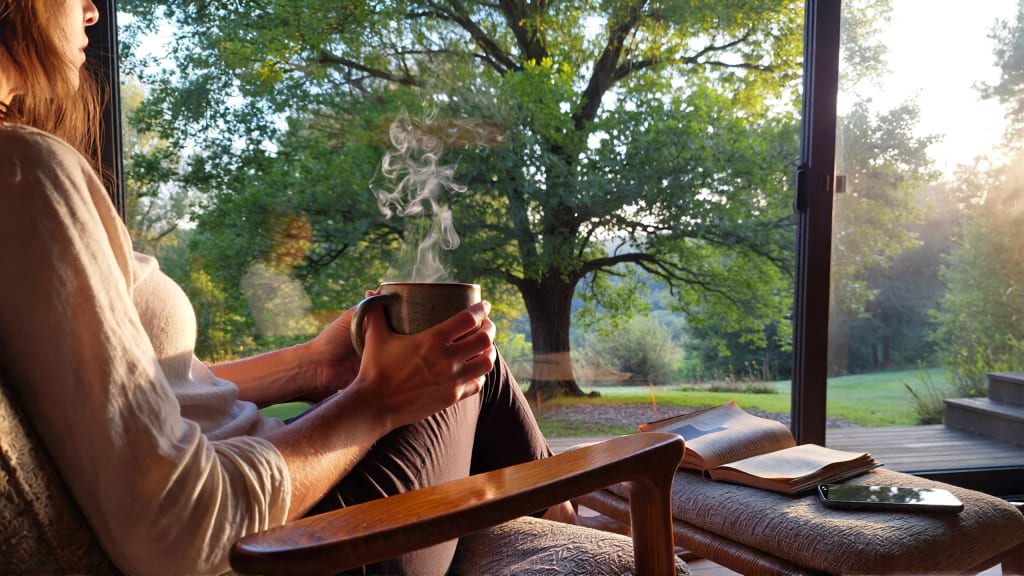
One morning, I actually drank my coffee while just looking out the window. I noticed the way the light hit the maple tree in my yard. I hadn’t just looked at anything in years without wanting to photograph it for a story.
My thoughts, usually a scattered stream of reactions to other people’s content, started to deepen. I had an idea for a short story. I remembered a book I’d wanted to read. It was like mental fog was lifting, revealing a landscape I’d forgotten existed.
The Awkward Reality of Boredom
This new mental space wasn’t all peaceful. Boredom became my teacher, and it was brutally honest. I had to sit with myself, with no digital buffer.
I cleaned my apartment. I called my mom on a Tuesday for no reason. She answered, worried. “Is everything okay?” she asked. That hit me. My calls had become so tied to urgency or obligation.
“Everything’s fine, Mom,” I said, my voice a little thick. “I just wanted to hear your voice.” We talked for an hour. It was the most present conversation we’d had in ages.
Boredom forced me to engage with the immediate world. I started going for long walks without headphones. I heard birds, snippets of street conversations, the rhythm of my own footsteps.
The Comparison Curse Lifted
Around day 18, I had a profound realization. The constant, low-grade envy I carried had vanished. I wasn’t comparing my life to curated highlight reels.
I didn’t know who was on a fancy trip, who got a promotion, or who had the perfect avocado toast. The mental tally sheet of my life versus everyone else’s was gone.
The emptiness I felt that first night began to fill—not with external validation, but with a calm acceptance of my own reality. My chest felt lighter. My mind felt like my own again.
I started reading actual books, getting lost in narratives longer than a tweet. I dug out an old sketchbook. The work was messy, imperfect, and utterly fulfilling because it was just for me.
The Reckoning & The Lesson
On day 30, I sat down with my laptop. The experiment was over. I could log back in. But I felt a deep resistance. I wasn’t the same person who had mindlessly scrolled that night.
I did return, eventually. But on my own terms. I curated my feeds fiercely, keeping only what truly added value. My apps stayed off my phone. The endless scroll was broken.
The most powerful lesson wasn’t about social media being evil. It was about attention. I had been auctioning off my most precious resource—my focus—in five-second increments to whoever bid the loudest.
Those 30 days gave me back my time, my quiet, and my capacity for deep thought. I learned that boredom isn’t a void to be feared, but a canvas. And on that canvas, I finally remembered how to paint my own life, in real time, with my own two hands.
About the Creator
Hazrat Umer
“Life taught me lessons early, and I share them here. Stories of struggle, growth, and resilience to inspire readers around the world.”
Keep reading
More stories from Hazrat Umer and writers in Lifehack and other communities.
Why Growing Up With Little Can Make You Stronger Than You Think
Growing up with little does something to your mindset that stays with you for life. When resources are limited, you learn early that the world does not owe you comfort. You observe more, you listen more, and you adapt faster. While others are learning these lessons later in life, you are forced to understand them from the beginning.
By Hazrat Umerabout 2 hours ago in Motivation
Moving in Arlington Heights: Local Relocation Considerations and Planning Insights
Arlington Heights is a community known for its residential charm, walkable areas, and balanced suburban lifestyle. For residents planning a move within or into this area, relocation often involves more than simply transporting belongings from one address to another. Local logistics, housing layouts, and timing all play an important role in shaping the overall moving experience.
By House Doctor3 days ago in Lifehack
From the East Coast to the Pacific Northwest: Relocating from Boston to Seattle
Relocating from Boston to Seattle represents one of the most significant moves a person can make within the United States. It’s not just a coast-to-coast relocation in terms of distance, but also a transition between two very different ways of life. Understanding what changes to expect—both practical and personal—can make the experience far more manageable and rewarding.
By House Doctor3 days ago in Lifehack
A Letter to the Firestarter
Dear Firestarter, We can all see you, we've been watching you since you began. In case you didn't know we were here before you and we will be here after. We witnessed your rise, your setbacks, your guilt and your lies. We witnessed you start the fire.
By Donny Foley7 days ago in Poets


Comments
There are no comments for this story
Be the first to respond and start the conversation.