
Introduction
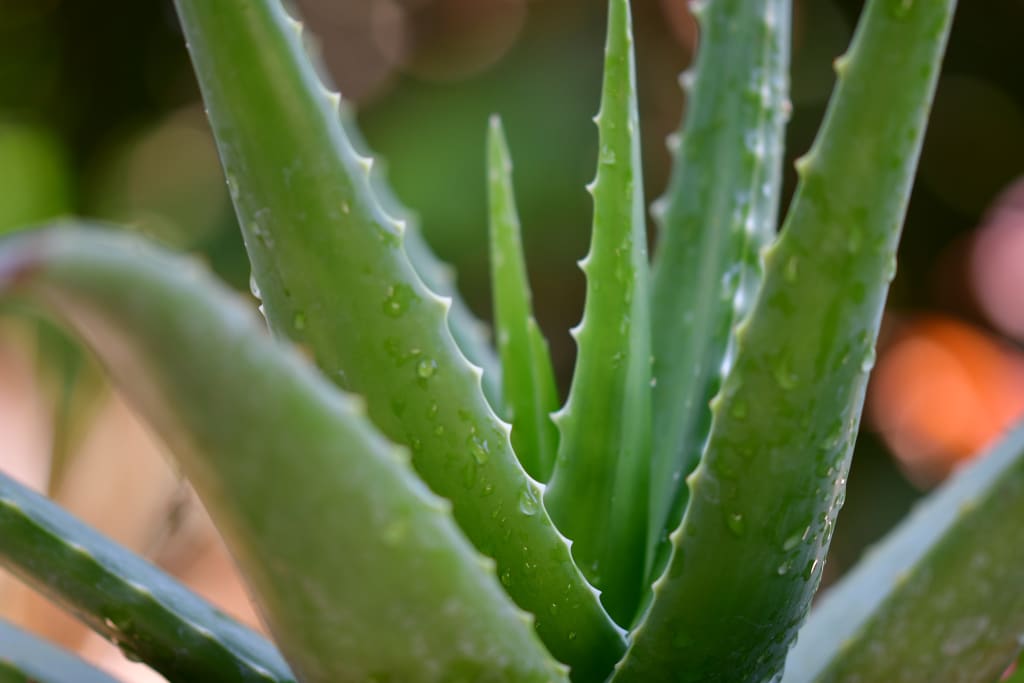
Aloe vera is a plant species from the succulent family that is native to North Africa. It has been used for centuries for its medicinal and cosmetic properties. The ancient Egyptians called it the "plant of immortality" and used it to treat a variety of ailments, including burns and wounds. Aloe vera was also used by the ancient Greeks, Romans, and Chinese for its medicinal properties.
In modern times, aloe vera is widely cultivated in many parts of the world and is used in a variety of applications. It is often used topically to treat skin conditions such as sunburn, cuts, and abrasions, and is believed to have anti-inflammatory, antibacterial, and wound-healing properties. Aloe vera is also taken orally as a dietary supplement to treat digestive problems and boost the immune system. In addition to its medicinal uses, aloe vera is also a popular ingredient in cosmetics and personal care products, such as skin creams, lotions, and shampoos.
The Medical Properties of aloe vera:
There are several medicinal properties of aloe vera that make it a popular natural remedy for a variety of ailments. Some of the main medicinal properties of aloe vera include:
Anti-inflammatory effects:
Aloe vera contains a number of compounds that are believed to have anti-inflammatory effects, including polysaccharides, glucomannans, and gibberellins. These compounds may help to reduce inflammation in the body, which can be beneficial for conditions such as arthritis, irritable bowel syndrome, and other inflammatory conditions.
Wound-healing properties:
Aloe vera has been shown to have wound-healing properties and is often used to treat cuts, burns, and abrasions. It is believed that the polysaccharides in aloe vera stimulate the growth of new skin cells, which can help to speed up the healing process.
Antibacterial effects:
Aloe vera contains several compounds that have antibacterial properties, including acemannan and aloesin. These compounds may help to kill bacteria and prevent infections.
Immune-boosting effects:
Some studies have suggested that aloe vera may have immune-boosting effects and may be helpful in strengthening the immune system.
Digestive benefits:
Aloe vera is often used to treat digestive problems, such as constipation and indigestion. It is believed that the polysaccharides in aloe vera may help to stimulate the production of mucus in the intestines, which can help to promote regular bowel movements. Aloe vera may also have a soothing effect on the digestive system and may be helpful in reducing inflammation in the gut.
The benefits of aloe vera for the skin:
Aloe vera has several benefits for the skin, making it a popular ingredient in a variety of cosmetics and personal care products. Some of the main benefits of aloe vera for the skin include:
Moisturizing and nourishing effects:
Aloe vera is a natural moisturizer that can help to hydrate and nourish the skin. It is often used in skin creams, lotions, and other moisturizing products to help keep the skin hydrated and healthy.
Treatment of sunburn and other skin conditions:
Aloe vera is often used to treat sunburn due to its anti-inflammatory and soothing properties. It may also be helpful in treating other skin conditions, such as cuts, abrasions, and burns, due to its wound-healing properties.
Anti-aging effects:
Some studies have suggested that aloe vera may have anti-aging effects and may help to reduce the appearance of fine lines and wrinkles. It is believed that the polysaccharides in aloe vera may help to stimulate the production of collagen, which is important for maintaining healthy, youthful-looking skin.
Acne treatment:
Aloe vera may be helpful in treating acne due to its anti-inflammatory and antibacterial properties. It may help to reduce inflammation and kill the bacteria that can cause acne breakouts.
It is important to note that while aloe vera may have several beneficial effects on the skin, it is not a cure-all and may not be effective for everyone. It is always a good idea to speak with a healthcare professional or a dermatologist before using aloe vera or any other skincare product.
Potential risks and precautions of aloe vera
While aloe vera is generally considered safe when used topically or taken orally in recommended amounts, there are some potential risks and precautions to be aware of. Here are some things to consider when using aloe vera:
Allergic reactions:
Some people may experience allergic reactions to aloe vera, including skin irritation, redness, and itching. If you experience any allergic reactions after using aloe vera, stop using it and seek medical attention if necessary.
Interactions with medications:
Aloe vera may interact with certain medications, such as blood thinners and diabetes medications. If you are taking any medications, it is important to speak with a healthcare professional before using aloe vera or any other dietary supplement.
Pregnancy and breastfeeding:
There is limited research on the safety of aloe vera during pregnancy and breastfeeding. If you are pregnant or breastfeeding, it is generally best to avoid using aloe vera or any other dietary supplement unless advised by a healthcare professional.
Children:
Aloe vera is not recommended for children under the age of 12.
Oral use:
While aloe vera is generally considered safe when taken orally in recommended amounts, it can cause abdominal cramps, diarrhea, and other digestive problems when taken in large amounts. It is important to follow the dosage instructions on the product label or to speak with a healthcare professional before taking aloe vera orally.
Overall, it is important to use caution when using aloe vera or any other dietary supplement and to speak with a healthcare professional before using it, especially if you have any underlying health conditions or are taking any medications.
About the Creator
Keep reading
More stories from Abdul Rassic and writers in Lifehack and other communities.
Wake Up Motivated: 5 Strategies for Starting Your Day Off Right
Introduction: Motivation is the driving force that helps us achieve our goals and aspirations. It gives us the energy and determination to pursue our dreams and make progress in our personal and professional lives. Without motivation, we may struggle to find the drive and focus needed to overcome challenges and make positive changes.
By Abdul Rassic3 years ago in Motivation
Kale in the Home Garden - Growing a Resilient Green from Seed to Harvest
Kale has a way of thriving quietly. It doesn’t demand attention, doesn’t rush its growth, and doesn’t punish small mistakes, qualities that make it one of the most dependable vegetables in a home garden. For beginner gardeners, kale often becomes the first leafy green that truly feels successful.
By The Brown Chair2 days ago in Lifehack
How to Choose the Right Moving Company in Boise, Idaho
Moving in Boise, Idaho, has become increasingly common as the city continues to grow and attract new residents. While Boise offers a balanced lifestyle and accessible neighborhoods, relocating within or into the area still requires thoughtful planning. Choosing the right moving company and understanding local conditions can make a significant difference between a smooth transition and a stressful experience.
By House Doctor4 days ago in Lifehack


Comments
There are no comments for this story
Be the first to respond and start the conversation.