
Kale in the Home Garden - Growing a Resilient Green from Seed to Harvest
Why kale has become a staple in beginner gardens, and how its simplicity rewards patient growers.

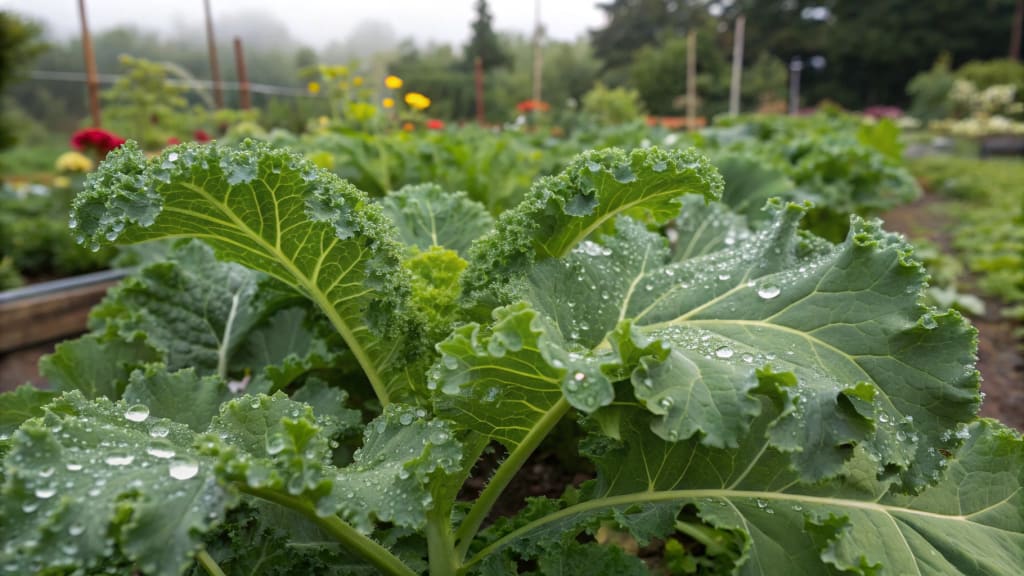
Kale has a way of thriving quietly. It doesn’t demand attention, doesn’t rush its growth, and doesn’t punish small mistakes, qualities that make it one of the most dependable vegetables in a home garden. For beginner gardeners, kale often becomes the first leafy green that truly feels successful.
Unlike more delicate crops, kale adapts easily to different conditions, producing dense, nutrient-rich leaves with minimal effort. It grows steadily, tolerates cold, and often improves in flavor after a light frost, making it a reliable presence across multiple seasons.
Why Kale Is Ideal for Beginners
Kale belongs to the brassica family, a group known for resilience. It prefers cool temperatures, grows well in both garden beds and containers, and doesn’t require complex pruning or feeding schedules. With adequate sunlight and consistent watering, kale continues producing for weeks, or even months.
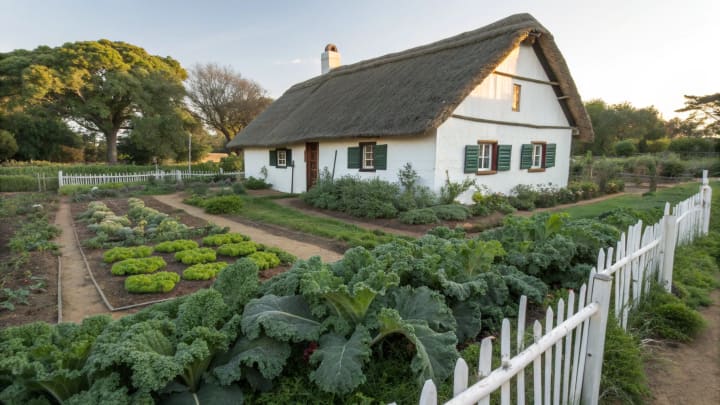
One of kale’s greatest advantages is its flexibility. It can be direct-seeded in early spring or started indoors and transplanted outdoors once temperatures stabilize. In many regions, it can also be planted again in late summer for a fall harvest, extending the gardening season without added complexity.
Simple Growing Conditions, Steady Results
Kale grows best in full sun but tolerates partial shade, especially in warmer climates. Well-draining soil enriched with compost supports strong leaf development, while even moisture prevents bitterness and stress.
Unlike fruiting vegetables, kale doesn’t require perfect timing to harvest. Outer leaves can be picked as needed, allowing the plant to continue producing from the center.
This “cut-and-come-again” habit makes kale especially satisfying for gardeners who want ongoing harvests rather than a single yield.
For those new to vegetable gardening, kale offers a clear lesson: consistency matters more than intensity. Regular observation, moderate watering, and patience are often enough.
Common Challenges, and Why They’re Manageable
Kale is not immune to pests, but problems are usually easy to control. Aphids and cabbage worms may appear, especially in warmer weather, but can often be managed through hand removal, row covers, or natural treatments.
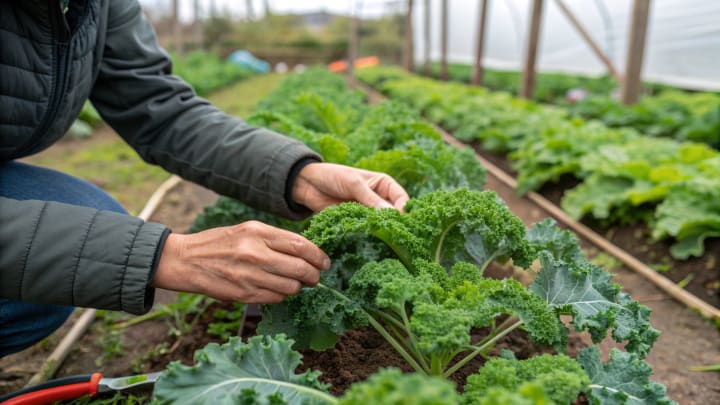
More importantly, kale forgives small errors. Missed watering, uneven growth, or mild weather swings rarely result in complete failure. Instead, the plant adapts, an encouraging experience for anyone learning the rhythms of a vegetable garden.
From First Leaves to Confidence
Growing kale is often less about the harvest and more about what it teaches. It shows beginners that vegetables don’t need constant intervention to succeed. It reinforces the value of seasonal planting and builds trust in the process of growing food at home.
For gardeners ready to explore planting times, spacing, varieties, and long-term care in more detail, a complete guide to growing kale walks through each stage with practical, experience-based advice, especially helpful for those building confidence in vegetable gardening for beginners.
A Quiet Staple in the Beginner Garden
Kale may not be flashy, but it earns its place through reliability. It grows when other plants struggle, produces generously, and rewards even modest effort with nutritious harvests.
In many gardens, kale becomes more than just another crop, it becomes proof that growing food doesn’t have to be complicated. Sometimes, the most dependable vegetables are the ones that grow steadily, quietly, and exactly when you need them.
About the Creator
The Brown Chair
The Brown Chair is all about helping you create a home and garden that feels like your favorite chair—comfortable, welcoming, and totally you.
Keep reading
More stories from The Brown Chair and writers in Lifehack and other communities.
The Quiet Power of Homegrown Vegetables – A Gardener’s Return to the Soil (USA)
Vegetable gardening doesn’t always begin with grand intentions. For many, it starts with a single tomato plant on a balcony, a forgotten packet of seeds in a drawer, or a quiet desire to eat something truly fresh. Yet from these small beginnings, a powerful transformation often follows—one that reshapes how we view food, time, and the land beneath our feet.
By The Brown Chair2 months ago in Humans
Planning a Successful Move in Boise, Idaho: What to Look for in Professional Movers
Moving in Boise, Idaho, often feels straightforward at first glance. The city is known for its accessible neighborhoods, manageable traffic compared to larger metro areas, and steady growth. However, relocation still involves many decisions that can influence how smooth—or stressful—the experience becomes. One of the most important choices is selecting movers who are prepared, reliable, and familiar with local conditions.
By House Doctor3 days ago in Lifehack
Spirulina Benefits
In recent years, spirulina has earned a strong reputation as one of the most powerful natural superfoods available today. Used for centuries by ancient civilizations and now backed by modern scientific research, spirulina is praised for its impressive nutritional profile and wide range of health benefits. From boosting energy levels to supporting immunity and detoxification, this microscopic algae has become a favorite among health-conscious individuals worldwide.
By shakir hamida day ago in Lifehack



Comments
There are no comments for this story
Be the first to respond and start the conversation.