
The Enchanting World of Oolong Tea: A Journey Through Flavor and Tradition
Oolong Tea

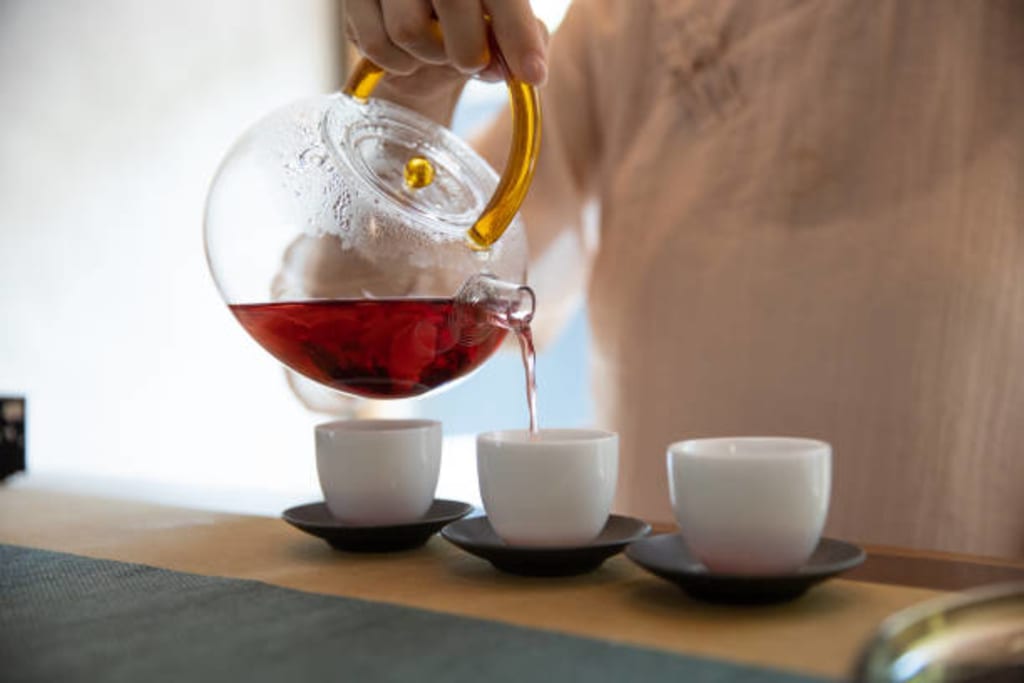
Oolong tea, a traditional Chinese tea, occupies a unique space between green and black tea in terms of oxidation, offering a diverse range of flavors and aromas that captivate tea enthusiasts worldwide. Known for its complexity, oolong tea can taste floral, fruity, creamy, or even roasted, depending on the level of oxidation and the region where it is grown. This blog post will take you on a journey through the history, production, health benefits, and brewing techniques of oolong tea, while also exploring its different varieties and food pairings. Whether you’re a seasoned tea lover or a curious newcomer, oolong tea promises a rich and rewarding experience.
What is Oolong Tea?
Oolong tea is a partially oxidized tea that originates from China, specifically the Fujian province. Unlike green tea, which is unoxidized, or black tea, which is fully oxidized, oolong tea undergoes a partial oxidation process that can range from 10% to 80%. This gives it a wide spectrum of flavors, from light and floral to dark and robust. The name "oolong" comes from the Chinese word for "black dragon," possibly referring to the shape of the tea leaves or a legend about a tea farmer who stumbled upon the tea by chance.
A Brief History of Oolong Tea
Oolong tea has a rich history dating back to the Ming Dynasty in China. It was first produced in the Fujian province, where the unique climate and terrain contributed to its distinctive flavor profiles. Over time, oolong tea spread to other regions, including Taiwan, where it became a significant part of the local culture. Today, oolong tea is enjoyed worldwide, celebrated for its complexity and the artistry involved in its production.
The Art of Oolong Tea Production
The production of oolong tea is a meticulous process that requires skill and precision. It begins with withering the tea leaves under the sun to reduce moisture. The leaves are then partially oxidized, a step that determines the tea’s final flavor. After oxidation, the leaves are rolled or twisted, which helps release their essential oils and enhances their aroma. Finally, the leaves are dried to halt oxidation and preserve their quality. The level of oxidation can vary, leading to different types of oolong tea, from lightly oxidized varieties that resemble green tea to heavily oxidized ones that are closer to black tea.
Health Benefits of Oolong Tea
Oolong tea is not only a delight for the senses but also offers several health benefits. Rich in antioxidants, it can help reduce the risk of chronic diseases by neutralizing free radicals in the body. Some studies suggest that oolong tea may aid in weight loss by boosting metabolism and improving fat oxidation. Additionally, it may support heart health by lowering cholesterol levels and improving blood pressure. Oolong tea is also known to enhance brain function, thanks to its moderate caffeine content and the presence of L-theanine, an amino acid that promotes relaxation and focus. However, it’s important to note that while these benefits are supported by some research, they should not be considered medical advice.
How to Brew Oolong Tea Like a Pro
Brewing oolong tea properly is key to unlocking its full potential. The ideal water temperature for oolong tea is between 185°F and 205°F (85°C to 96°C). Steeping time can vary from 1 to 5 minutes, depending on the type of oolong and your personal taste preferences. One of the unique aspects of oolong tea is its ability to be steeped multiple times, with each infusion revealing new layers of flavor. To get the most out of your tea, use fresh, filtered water and avoid oversteeping, which can lead to bitterness.
For those looking to explore the world of oolong tea, Backyard Brew's Oolong Tea Collection offers a curated selection of high-quality oolongs from various regions, each with its unique flavor profile. Whether you’re seeking a light, floral tea or a rich, roasted one, their collection provides an excellent starting point for your oolong journey.
Exploring Different Types of Oolong Tea
Oolong tea comes in many varieties, each with its own distinct characteristics. Some of the most popular types include:
- Tieguanyin: A lightly oxidized oolong from Fujian, known for its floral aroma and sweet, creamy taste.
- Da Hong Pao: A heavily oxidized oolong with a rich, roasted flavor and notes of stone fruit.
- Dong Ding: A Taiwanese oolong with a balanced oxidation level, offering a smooth, slightly nutty flavor.
Each type of oolong tea reflects the terroir of its region and the expertise of its producers, making every cup a unique experience.
Pairing Oolong Tea with Food
Oolong tea’s diverse flavor profiles make it a versatile companion for various foods. Lighter oolongs, with their delicate floral notes, pair beautifully with seafood, salads, and light desserts like fruit tarts. Darker, more oxidized oolongs complement richer dishes such as roasted meats, spicy cuisine, and decadent chocolate desserts. The key to successful pairing is to match the intensity of the tea with the intensity of the food, allowing both to shine without overpowering each other.
Conclusion
Oolong tea is more than just a beverage; it’s a celebration of tradition, craftsmanship, and flavor. From its origins in China to its global popularity today, oolong tea continues to captivate tea lovers with its complexity and versatility. Whether you’re drawn to its health benefits, its rich history, or simply its delicious taste, oolong tea offers something for everyone. So why not brew a cup and embark on your own oolong journey? With each sip, you’ll discover a new facet of this remarkable tea.
FAQs
What is the difference between oolong and green tea?
Oolong tea is partially oxidized, while green tea is unoxidized. This gives oolong a wider range of flavors, from light and floral to dark and robust, whereas green tea tends to have a more vegetal and grassy taste.
How much caffeine is in oolong tea?
Oolong tea contains a moderate amount of caffeine, typically between 30 to 50 milligrams per 8-ounce cup, depending on the type and brewing method. This is less than black tea but more than green tea.
Can I reuse oolong tea leaves?
Yes, oolong tea leaves can be steeped multiple times. In fact, many tea enthusiasts believe that the second or third infusion reveals the tea’s true character. Just be sure to increase the steeping time slightly with each infusion.
Where can I buy high-quality oolong tea?
High-quality oolong tea can be found at specialty tea shops or online retailers. For a curated selection, consider exploring collections like Backyard Brew's Oolong Tea Collection, which offers a variety of premium oolongs from different regions.
About the Creator
Backyard Brew
Since 2016, Backyard Brew has been crafting unique coffee and tea blends that bring comfort and joy to every cup. Experience our local touch in every sip.
Keep reading
More stories from Backyard Brew and writers in Lifehack and other communities.
Buy Pu-erh Tea: Your Guide to a Unique and Flavorful Brew
Pu-erh tea, a fermented delight hailing from China’s Yunnan province, has enchanted tea lovers worldwide with its earthy, intricate flavors and deep-rooted history. Whether you’re a seasoned tea aficionado or a curious beginner, purchasing Pu-erh tea opens the door to a captivating blend of tradition and taste. In this 1000-word guide, we’ll dive into everything you need to know about Pu-erh tea—from its origins and varieties to brewing techniques and where to source the best options. By the end, you’ll feel confident to buy Pu-erh tea and savor its exceptional qualities.
By Backyard Brew10 months ago in Lifehack
Ludacris and Nelly draw backlash over bookings at MAGA-coded music festival
Ludacris and Nelly headlining a mostly right-wing event is good for them. It’s also great for the genre of hip hop. The two rap veterans have showcased their talents on other stages. Why can’t they perform for mostly MAGA folks and grab that bag?
By Skyler Saunders4 days ago in Beat



Comments
There are no comments for this story
Be the first to respond and start the conversation.